
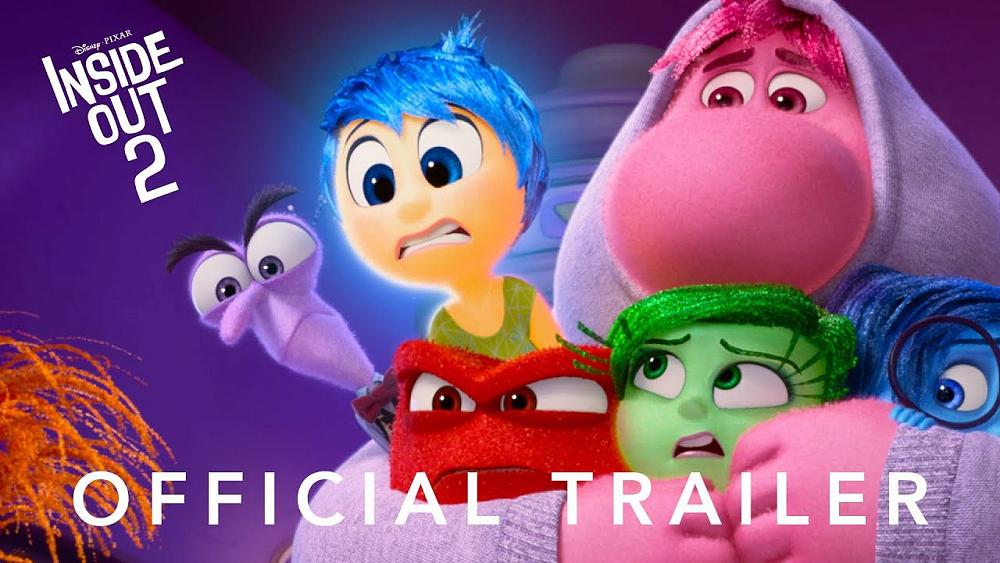
Inside Out 2
Pixar sequel builds on the success of its predecessor.
In 2015, I reviewed Inside Out for Touchstone, applauding a Pixar film that animated the ways in which humans are fearfully and wonderfully made (as it affirms in Psalm 139:14).
The star of Inside Out was Riley, 11 years old and facing a transition to a new school. The movie, directed by Pete Docter, animated Riley’s core human emotions by introducing us to Joy, Sadness, Anger, Fear, and Disgust. These characters give voice and make visible human emotions. The result is emotional intensity and resources to help families talk about the experience of being human.
In Inside Out 2, a new director (Kelsey Mann) continues Pixar’s commitment to stories that give families and communities tools to discuss change. Riley is 13 and facing another transition, this time to high school. She’s eager to make the ice hockey team.
The same five core emotions are present. But the onset of puberty introduces new emotions – Anxiety, Embarrassment, Envy and Ennui. As in Inside Out, each of these emotions is a character. Pixar's genius is visualising inner worlds and human emotions in a story.
Animation works by amplifying simplicity. Faces are simplified, and gestures are repeated. This helps make a complex cast - nine emotional characters, along with two parents and multiple school friends old and new - memorable. The contrasts between Anxiety spinning into a frenzy and Ennui replying in monosyllables perfectly captures the complexity of being a teenager.
Theologically, Inside Out 2 calls us to consider orthopathy (right feelings) alongside orthodoxy (right doctrine) and orthopraxis (right actions). One of the things I love about the Gospel accounts is the naming of Jesus’ emotions. Jesus weeps (John 11), has compassion (Matthew 9), experiences anger (John 2), love (Mark 10) and overwhelming sorrow (Matthew 26). In these Gospel stories, Jesus is living inside out, expressing emotions made visible by the Gospel writers.
What is striking is how each of these emotions is then connected with actions of outward care. Jesus weeps and then invites Lazarus to life. Jesus has compassion and then commissions the disciples to heal and teach. Jesus feels anger and then challenges religious practice. Jesus loves and then speaks of radical discipleship. Jesus' overwhelming sorrow becomes heartfelt prayer. These examples weave the emotions of orthopathy with the actions of orthopraxis. Feelings are valued and essential to the ongoing work of God in Jesus Christ.
At the same time, the orthopraxis of the Gospels challenges Inside Out 2. Key to the movie is the development of Riley’s true self. Visually, this self is portrayed as a solo entity. Riley’s self is beautiful and complex, yet a singular I.
In contrast, the fearfully and wonderfully made Jesus we see in the Gospels is always a human for others. Life is lived in constant dialogue with the Father. Death includes Jesus’ profoundly relational words, “Woman, behold your son” (John 19:26-27). Such is the gift of the inside out life of the Christ who lived for others.
Rev Dr Steve Taylor is the author of "First Expressions" (2019) and writes widely in theology and popular culture, including regularly at www.emergentkiwi.org.nz.