The Importance of Reading for Pleasure
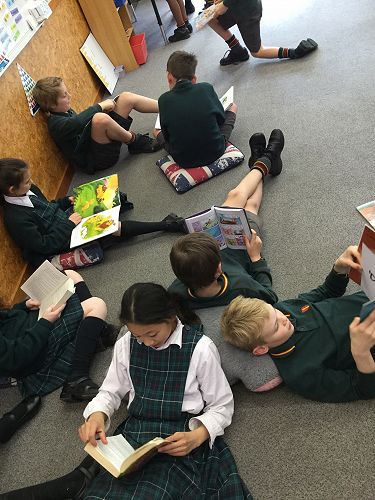
As a follow up to a course several staff members attended in September, they have been doing further investigation around the benefits of reading for pleasure. Research from ...
... both New Zealand and the UK indicates that the enjoyment of reading is a key indicator not only of success in reading and writing, but in life skills as well.
As expected, children who enjoy reading for pleasure develop good comprehensions skills, have a broader vocabulary, have positive reading attitudes, perform well in other learning areas (e.g. maths and problem solving) and continue to read as adults. Research also shows that they have increased empathy, increased awareness and knowledge of other cultures and current events, reduced symptoms of depression and dementia, increased communication with their parents and caregivers, they engage in less risky behaviour and are more engaged with their learning!
Although teaching children to read is of course important, the involvement of parents and the home environment are vital in fostering a love of reading. Children are more likely to develop and maintain a positive attitude in homes where reading and books are valued. Having their own books and visiting public libraries are two factors which have been shown to contribute to this.
So, as parents, please partner with us to help your children become readers who read for pleasure. Encourage your children to read!Read to them and read with them. Model reading habits. Ror example, turn off the TV or your devices and sit down as a family with a book; visit your local library; chat at the dinner table about the books you are reading; give books as presents; pull out books from your childhood; visit a secondhand book shop, and generally create a positive reading culture in your home.
Jan Kennedy (Primary Literacy Leader), Jo McPheat (Primary Librarian)
Gallery