Every Day Matters: Why Regular School Attendance is So Important
At our school, and across New Zealand, we are focusing on the importance of regular attendance. The Ministry of Education has made this a national priority because we know that children do better when they are at school consistently.
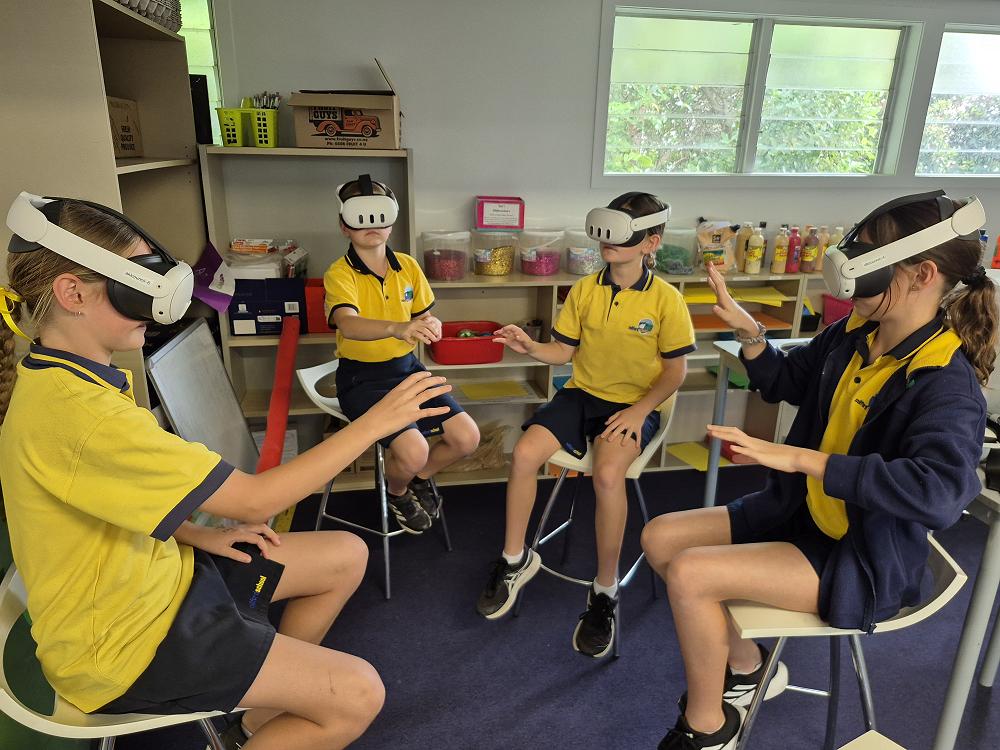
It is nearly the end of another busy week of learning for our students. Visiting classrooms is so motivating - we see students working collaboratively, sharing ideas and research, helping each other, and using a variety of resources as they learn. Walking down the Year 6 corridor on Thursday afternoon, the lucky Year 6 students were accessing their learning through Virtual Reality (VR) headsets! Using devices like these, our children are being safely exposed to new and emerging technology in such a way that they learn to use it purposefully and ethically. While traditional classroom equipment, including books, pencils and paper, are still used every day, we are preparing our students for an exciting and challenging future as well. These opportunities occur at school when the teachers organise them and we are very grateful at their dedication to showing our students the myriad of different ways they can learn.
Attendance at school
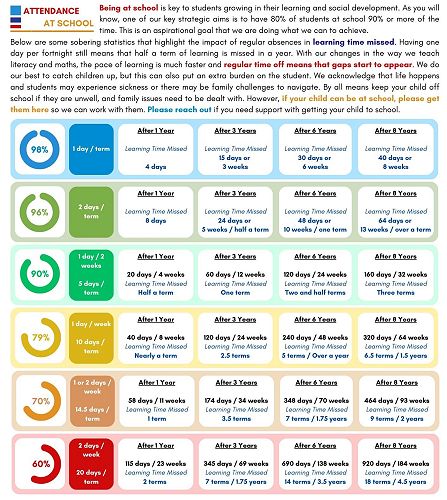
When children attend school regularly, they stay up to date with their learning in reading, writing, maths, and across the curriculum. Just as importantly, they stay connected to their friends, develop resilience, and feel that they belong. Missing too much school makes it harder to catch up, both academically and socially.
The Ministry defines “regular attendance” as being at school more than 90% of the time. That means missing no more than five days in a term. While that might sound like a lot, missing just one day every two weeks adds up to four weeks away from learning over the year. Over time, those days really do matter.
Of course, children will sometimes be sick, and it’s important to keep them home if they are unwell. But other absences—like extra-long weekends, family trips during term time, or days off for small reasons—can add up quickly. We encourage families to treat school as a vital part of the week, just like going to work is for adults.
What Parents Can Do to Support Good Attendance
Build strong routines: A consistent bedtime and wake-up time help children feel rested and ready to learn.
Prepare the night before: Packing bags, laying out uniforms, and organising lunches in the evening makes mornings calmer.
Limit late nights and screen time: Too much time online or on devices can make mornings harder.
Talk positively about school: Encourage your child by focusing on what they enjoy—friends, sport, art, or learning something new.
Work with us early: If your child is finding it hard to attend, please let us know. Together, we can find solutions.
Real change happens when schools and families work together. Every day at school counts—not only for learning but also for building confidence, friendships, and habits that set children up for success in later life.
Let’s make attendance a priority so that every child has the best chance to learn, grow, and thrive.
Have a fabulous weekend, and we will see you back next week for the final five days of Term 3!
Ngā mihi nui
Sara Baker
Gallery