The International Baccalaureate, Primary Years Programme (PYP)
Milford School - IB World School What does it mean to be an IB World School? What is the IB PYP?
Over the next few weeks, information about our PYP programmes will be in the newsletter.
I am a passionate advocate of the International Baccalaureate Primary Years Programme (PYP), as are our teachers. But what is IB PYP?
Milford School is a proud International Baccalaureate World School, and we teach the New Zealand Curriculum through the IB Primary Years Programme framework. You may know about IB PYP and may hear your children use language such as being a risk-taker or being principled. Over the next few weeks, I invite you to learn more about the PYP through this series of articles.
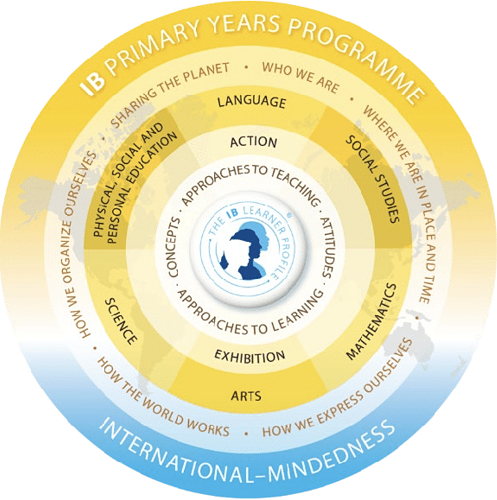
The IB has four programmes within it, and at Milford School, we teach the Primary Years Programme. We are lucky to have Takapuna Normal Intermediate as the school most of our Year 6 students transition into as an IB school as well.
At its heart, IB has a strong and timeless mission statement: The IB develops inquiring, knowledgeable, and caring young people who help to create a better and more peaceful world through education that builds intercultural understanding and respect. As a statement, it is positive, purposeful, and global. It provides a purpose for students and teachers and is a goal worth striving for. Added to this, the IB is an internationally recognized programme that is research and evidence-based, and which applies to many different contexts across the globe.
The PYP is a strong framework within which Milford School teachers plan units of inquiry. You can see the units on the walls of the classrooms as the year progresses. Each team plans collaboratively with their own year-level members, myself, Nic Sao or Duane Newport as PYP Coordinators, and with our specialist teachers who link their units as much as possible, while still maintaining the integrity of their learning areas.
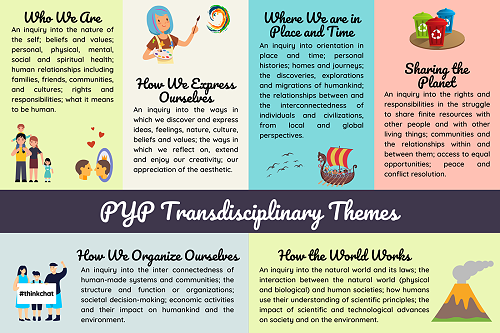
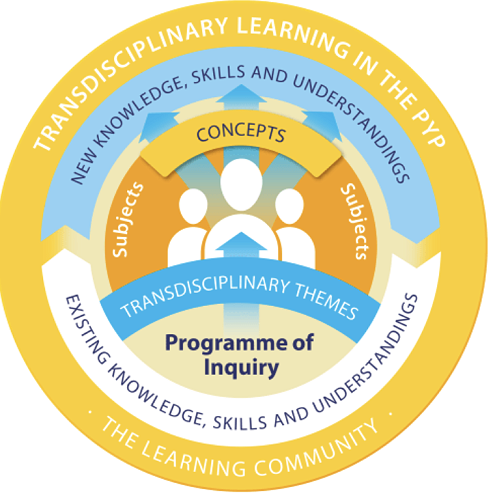
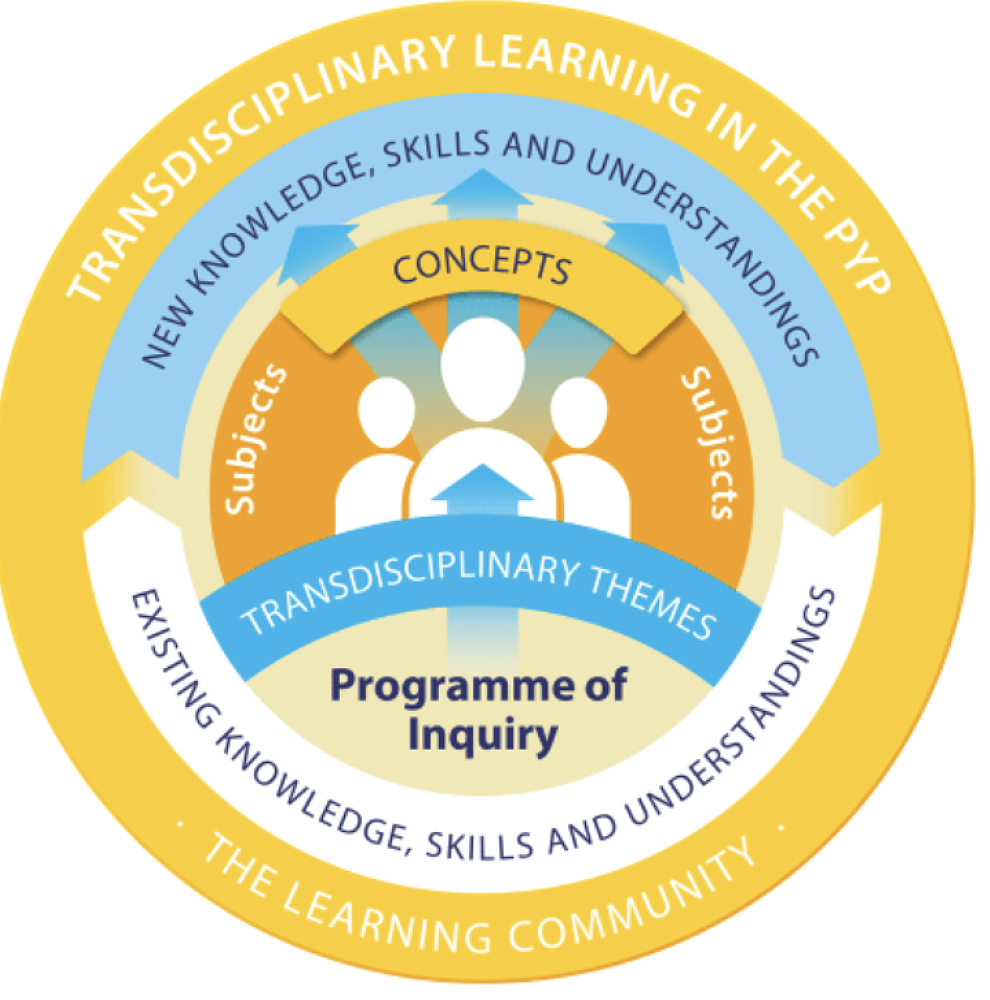
The PYP encourages students to learn to appreciate knowledge, conceptual understandings, skills, and personal attributes as a connected whole. Six transdisciplinary themes make up our units of inquiry each year. These themes are broad, conceptual, and timeless.
- Who we are.
- Where we are in place and time.
- How we express ourselves.
- How the world works.
- How we organise ourselves.
- Sharing the planet.
Each unit has a central idea with 2-3 'big ideas', and lines of inquiry that drive student inquiry and learning. Within each unit, teachers specify which key concepts, approaches to learning, and learner profile attributes to focus on. Teachers also plan literacy and maths which links in with the unit as much as possible (although to ensure the integrity of learning in literacy and maths is sometimes 'stand-alone'/not linked to the unit). In a couple of weeks, ask your child about their current unit!
Next week: The Learner Profile attributes
Gallery