Our Units of Inquiry - Central Ideas and Provocations!
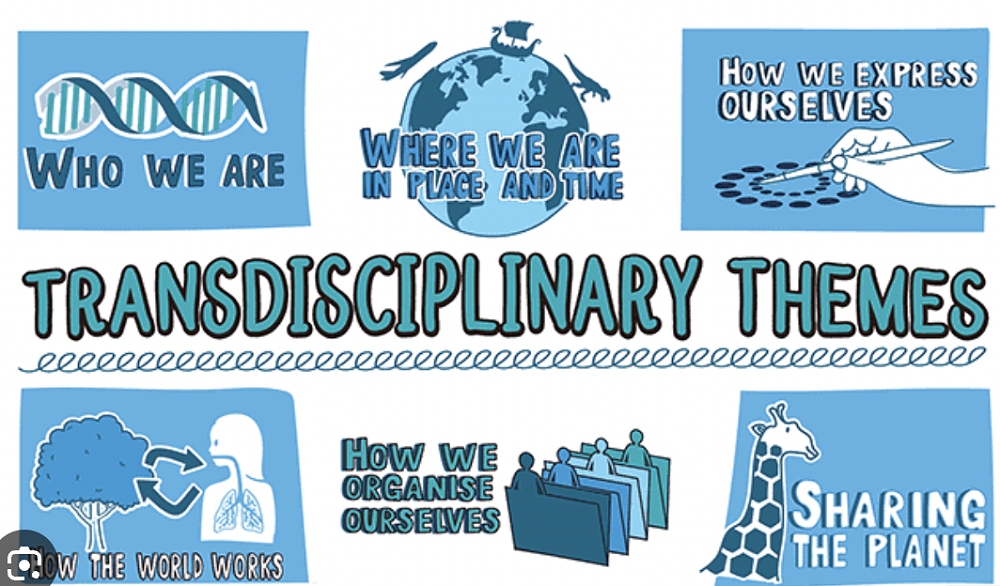
The PYP Programme of Inquiry is a matrix made up of six Transdisciplinary Themes (Who We Are; Where We Are in Time and Place; How We Express Ourselves; How the World Works; How We Organise Ourselves; and Sharing the Planet).
The PYP Programme of Inquiry is a matrix made up of six Transdisciplinary Themes (Who we are; Where we are in time and place; How we express ourselves; How the world works; How we organise ourselves; and Sharing the planet).
Central Ideas
Each of the units of inquiry has a Central Idea. Each Central Idea will support students' understanding of the particular transdisciplinary theme it is connected to, and challenges and extends students' prior knowledge. The Central Idea is engaging, relevant, challenging, and significant. Each Central Idea contains 2-3 'big ideas' that are explored in the Unit of Inquiry.
An example of what is and what isn't a Central Idea follows:
CI: People’s values, mindsets, and actions shape their Identity.
Not a CI: People have different personalities.
The Central Idea holds the concepts values and identity. Related concepts are mindsets and actions. This Central Idea is being used in the Year 4 team at the moment, as they explore 'Who We Are'. Exploring values and identity allows the students to look into what they personally value, what their role in their class is, how the class will act when together, and how different actions can influence outcomes in relationships and groups. By knowing how to have their own identity yet being able to get along with all sorts of people means they have skills and strategies to transfer into different contexts over time.
So what is a provocation?
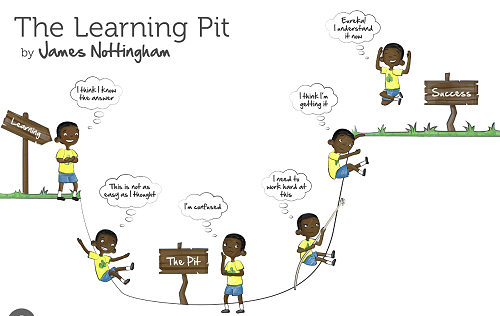
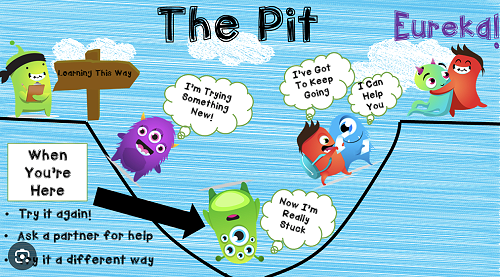
A provocation is a thoughtfully constructed activity to get students excited and engaged in the new unit of inquiry, and a really powerful provocation creates a cognitive dissonance that throws children into the Learning Pit (of inquiry). Students should be examining their beliefs and ideas as a result of the provocation. They question what they thought they knew as certainty, and start to consider other perspectives and ideas, and go deeper by asking questions to find out more. That is how the unit of inquiry is started!
Some provocations in the past that teachers have used to start units have included:
- After lunch, when students usually take the bokashi bin, and the recycling and plastic bins, etc to the right places in the school, the teachers have grabbed the bins first and thrown their contents out of the window. Some students laughed, all were shocked, some told off the teacher and some ran outside to pick up the rubbish immediately. The children launched into questions for the teacher - why did you do that? What will happen to all the rubbish? It certainly made the children stop and think about why we do what we do with our rubbish each day! This was for a Sharing the Planet unit.
- In the unit for Where We are in Place and Time, each room of children discovers that they have to move from their classroom within a short timeframe. Where shall we go? What can we take? Pros and cons of each place we could go to or not go to. Examine how this makes you feel. What are the consequences of moving to you? To your class? To those already in the place you went to?
The provocation starts each unit with motivation and engagement!
Gallery