
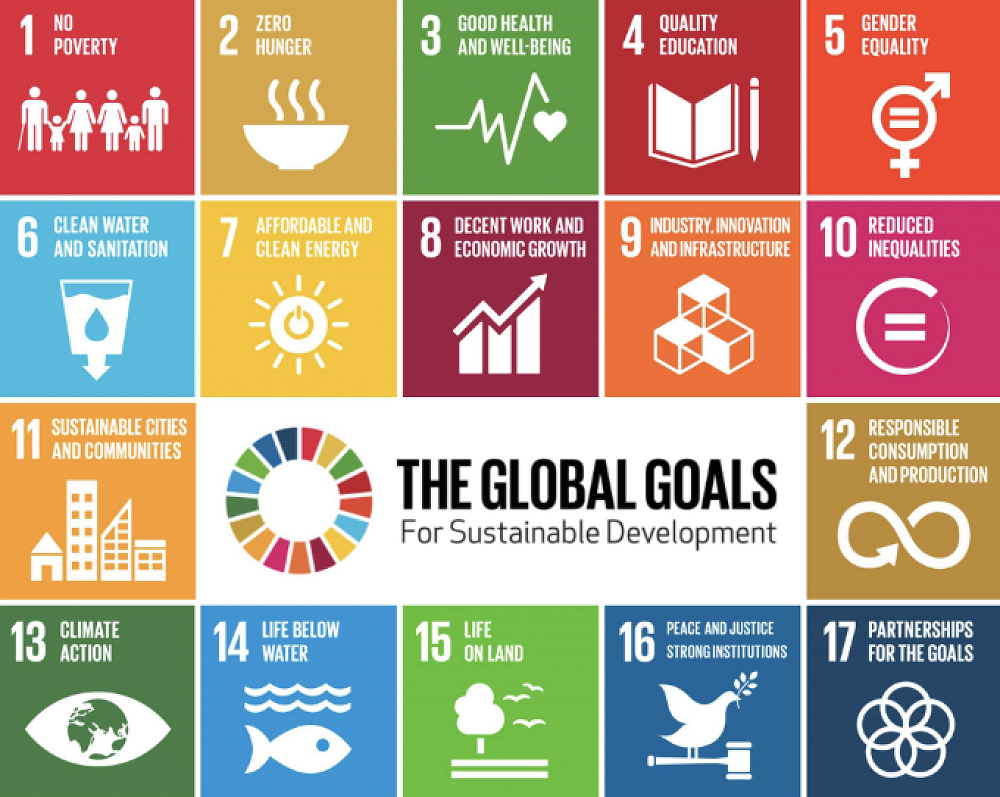
The United Nations Sustainable Development Goals
How do we use these goals as part of our planning for the units of inquiry?
Integrating the UN Sustainable Development Goals into Units of Inquiry at our PYP School
As a Primary Years Programme (PYP) school in New Zealand, we aim to cultivate globally minded, compassionate, and action-oriented learners. One of the ways we achieve this is by integrating the United Nations Sustainable Development Goals (UN SDGs) into our Units of Inquiry. By making connections between global challenges and their own learning context, students develop a deeper understanding of the world and their role in creating a more sustainable future.
What Are the UN Sustainable Development Goals?
The UN SDGs are a set of 17 goals designed to address global challenges such as poverty, inequality, climate change, and quality education. Adopted by all UN member states in 2015, they provide a framework for achieving a better and more sustainable world by 2030. These goals are highly relevant to young learners as they encourage critical thinking, inquiry, and action—key elements of the PYP philosophy.
Why Integrate the SDGs into the PYP?
The PYP fosters curiosity and encourages students to take meaningful action in response to their learning. The SDGs provide a real-world context for inquiry, helping students see the relevance of their education beyond the classroom. By exploring the SDGs, students:
Develop a deeper understanding of global issues.
Learn to think critically and problem-solve collaboratively.
Feel empowered to take action in their local communities.
Understand their role as global citizens who can make a difference.
How Are the SDGs Used in Units of Inquiry?
At our school, each year level engages with age-appropriate SDGs that align with their Units of Inquiry. Here are some examples:
1. Who We Are – Goal 3: Good Health and Well-being
Students explore physical and mental well-being, healthy lifestyles, and the importance of balanced choices. This unit encourages students to develop self-care routines and consider how they can support the well-being of others.
2. Where We Are in Place and Time – Goal 11: Sustainable Cities and Communities
Students investigate how cities and communities have changed over time and what makes a place sustainable. They may explore urban planning, environmental conservation, and the role of technology in shaping the future.
3. How the World Works – Goal 13: Climate Action
Students inquire into weather patterns, climate change, and the impact of human actions on the environment. They explore renewable energy solutions and ways to reduce their carbon footprint.
4. How We Organise Ourselves – Goal 12: Responsible Consumption and Production
This unit examines economic systems, consumer choices, and sustainable practices. Students consider how their everyday choices impact the environment and explore ways to reduce waste and promote sustainability.
5. Sharing the Planet – Goal 15: Life on Land
Students investigate biodiversity, ecosystems, and conservation efforts. They may participate in tree-planting projects, learn about endangered species, and discuss ways to protect natural habitats.
How Can Parents Support This Learning?
Parents play a vital role in reinforcing these concepts at home. Here are some ways to support your child’s learning:
Engage in conversations about the SDGs and their importance.
Model sustainable practices such as recycling, reducing waste, and conserving energy.
Encourage inquiry by exploring documentaries, books, and news articles related to global issues.
Support student-led initiatives such as fundraising for environmental causes or participating in local community projects.
Celebrate action by recognising and encouraging efforts your child makes to contribute to a better world.
A Call to Action
By integrating the UN SDGs into our Units of Inquiry, we are helping students develop the knowledge, skills, and attitudes needed to make a positive impact. As partners in your child’s education, we invite you to join us in fostering global citizenship and international mindedness. Together, we can inspire a generation of learners who are not only knowledgeable, but also compassionate and action-driven.
For more information on the UN SDGs and how we integrate them into learning, feel free to visit www.un.org/sustainabledevelopment.