Athlete-centred coaching
1. Sport is...
Watch the sport is... video.
“Sport is a physical thing, a social thing, a cognitive thing, a spiritual thing”, what are the key messages that are important for coaches to consider?
Play "dynamic ball tag"
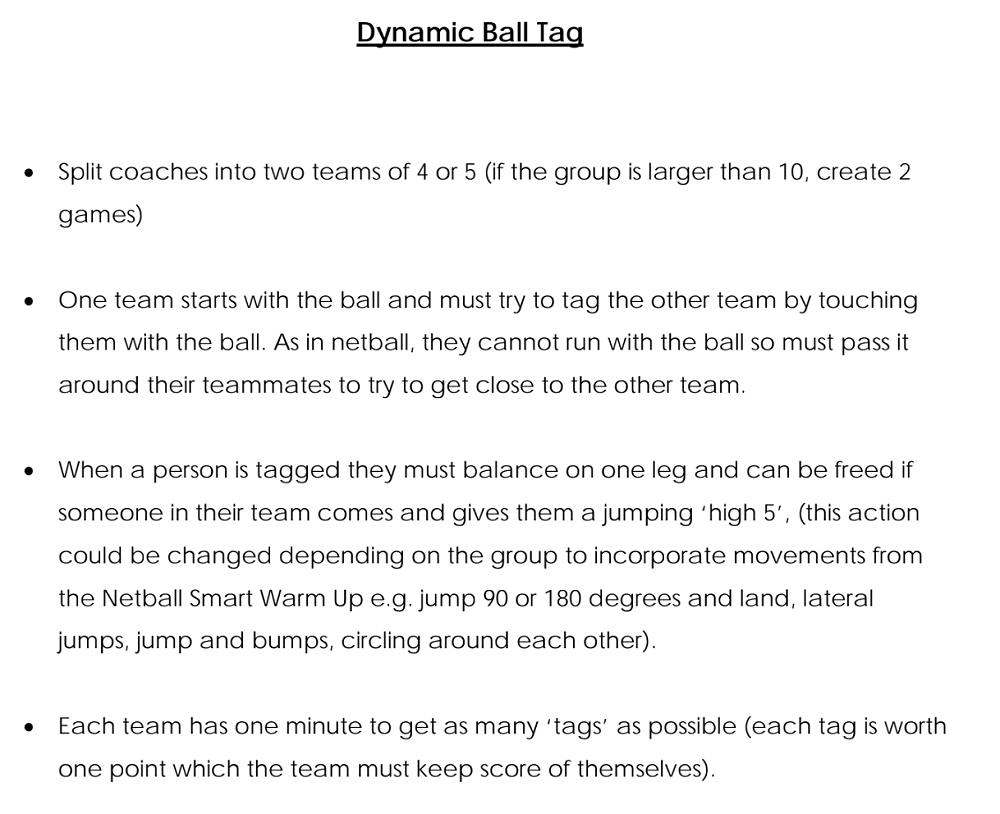
How does this game relate to what we saw in the ‘Sport is...’ video?
2. Key attributes
What are the key attributes we want to see in our players? Write a list of 5-10
See Silver Fern list for ideas after you have written your own ideas down.
Which of these are practical characteristics?
Think about how much time you currently spend developing the physical traits in isolation. How does this compare to the amount of time spent developing the other traits? What does this tell you about the way we coach?
Training activities need to be holistic and develop not just the physical aspect of a person, as we know the other aspects are equally important for their overall well-being and development, as well as how connected and motivated they will feel towards the sport.
3. Core Coaching Qualities
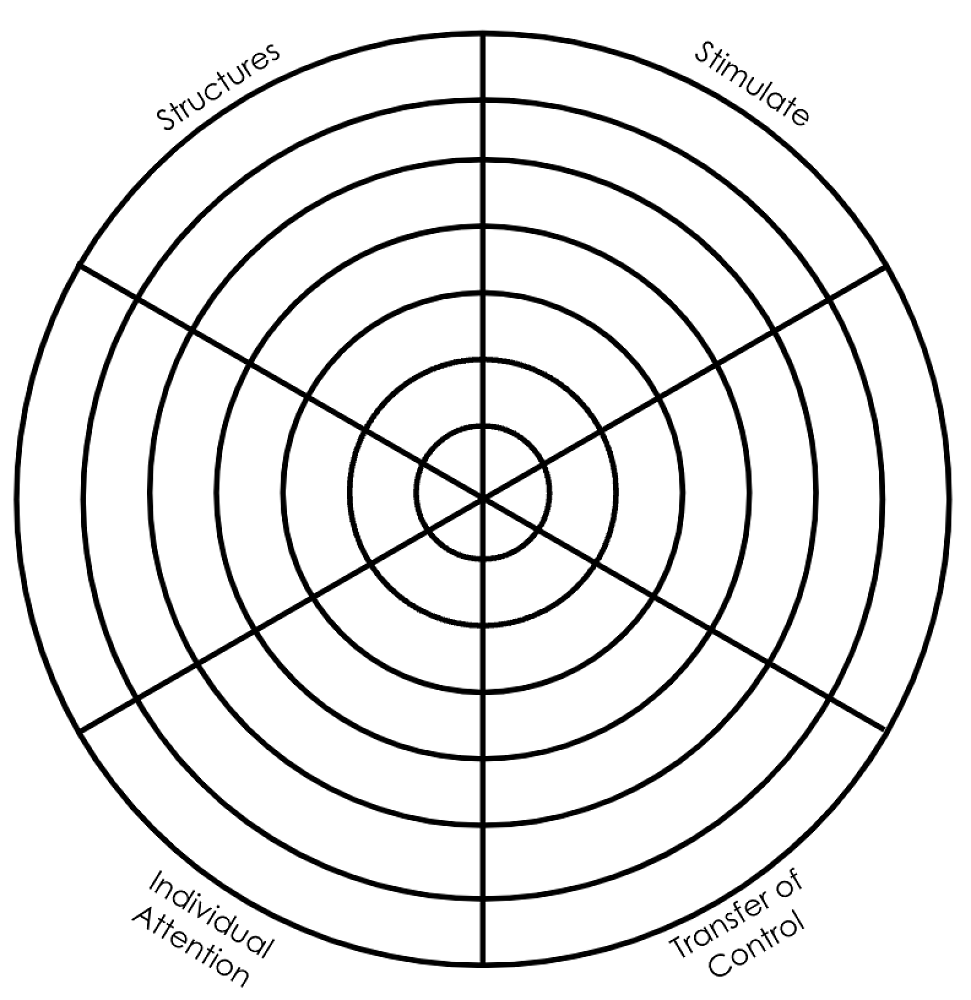
Structures - you make agreements and offer clarity and structure so that everyone knows what is expected of them. Practical things - what time is training, where, what do they need to bring. Rules regarding sportsmanship - how do we interact with each other. Expectations of players, coach, parents, etc.
Are you organised, on time and prepared for training and game day?
Do you communicate effectively with players, parents, and other coaches?
Do you manage player substitutions and game time?
Stimulate - you enthuse, encourage, compliment and emphasise what is going well. Making mistakes is allowed.
Do you create an atmosphere of excitement and energy during training sessions?
Do you use strategies to keep players engaged and motivated, even during challenging drills?
Do you create a learning environment where players feel comfortable making mistakes?
Giving individual attention - you make sure everyone feels seen and recognised and you try to tailor your instructions to the level of each athlete.
Do you provide specific feedback and instruction to players at different skill levels?
Do you adapt your coaching style to accommodate the learning styles of different players?
Do you create a positive and supportive learning environment where players feel comfortable asking questions and seeking clarification?
Transferring control - you ask questions, you listen to the athletes and try to gradually make them responsible for their own primal process.
Do you balance providing instruction and allowing players to make their own decisions?
Do you use open-ended questions to encourage deeper reflection and meaningful conversations?
Do you involve players in decision-making processes, such as game strategy or practice planning?
Complete the evaluation wheel for where you currently sit for each of the coaching qualities
use the questions under each heading to help you with this. There are two empty categories for you to choose two extra qualities.
Identify 2 strategies to improve the areas you want to develop in.
4. Leadership Communication Styles
Complete the match up task - take a screenshot to add to your journal.
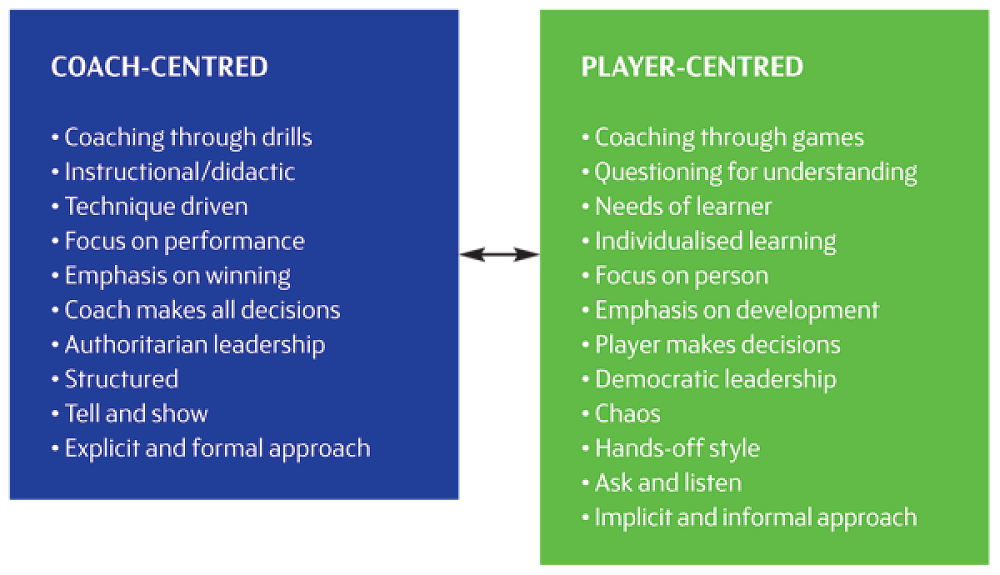
Why is using an athlete-centred coaching style encouraged? How does it impact on a player's motivation, confidence, competence and knowledge and understanding?
When would you utilise a coach-centred approach?
5. Communication
Complete the partner drawing activity - "The Korfball Bug" and take a photo to include in your journal.
Why don't all the bugs look the same?
What could we have done differently so that the drawings would have looked more alike?
6. Learning Styles
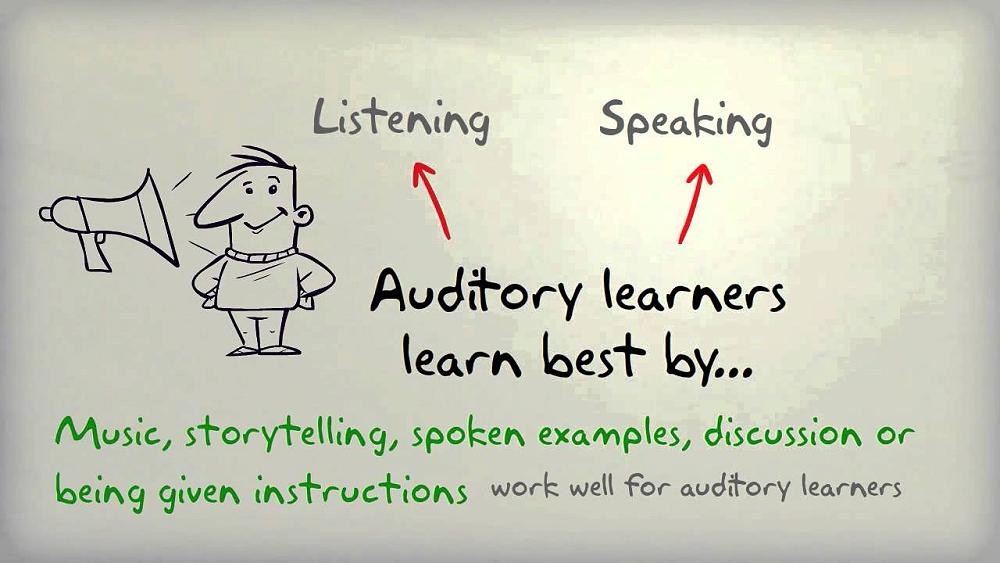
Take the VARK questionnaire. What learning style/s are most prominent for you?
How could you adapt your trainings so that all of your players interpret the messages you intend?
7. Active Listening - Feedback and Questioning
Complete the Feedback/Questioning activity in person.
What feedback style is the best and worst in your opinion, and why?
Feedback styles:
Non Specific
No Feedback
Negative Feedback
Questioning
Reactive
8. Conflict situations
Dealing with conflict and having "courageous conversations" is never easy. The best solution is:
demonstrate empathy
speak clearly, firmly and confidently
deal with the issue, not the person
Pick 2 situations below - how you would respond to each situation assertively?
A parent is continually yelling negative comments from the sideline.
A player approaches you after the pre game team talk, and they're annoyed they're not in the starting line up.
A parent approaches you, upset with the game time their child is getting.
A player approaches you that they are being bullied by a team mate.
A referee approaches you that one of your players is speaking disrespectfully on the court.