ACADEMIC AND LEARNING
Today we share insights into our Food and Nutrition learning area, and showcase our Year 7 science fair award winners.
Food and Nutrition Learning Area
Our food philosophy promotes:
seasonal foods
skills and knowledge
homemade
tasty and creative
sharing and enjoying food together.
All our programmes reflect this philosophy from Year 7 to Year 13. We also make a conscious effort to include aspects of local curriculum in what we teach, so the learning is relevant to our students. We use outside expertise and current food trends to engage students to understand what happens in the wider community.
Years 7 and 8 programme
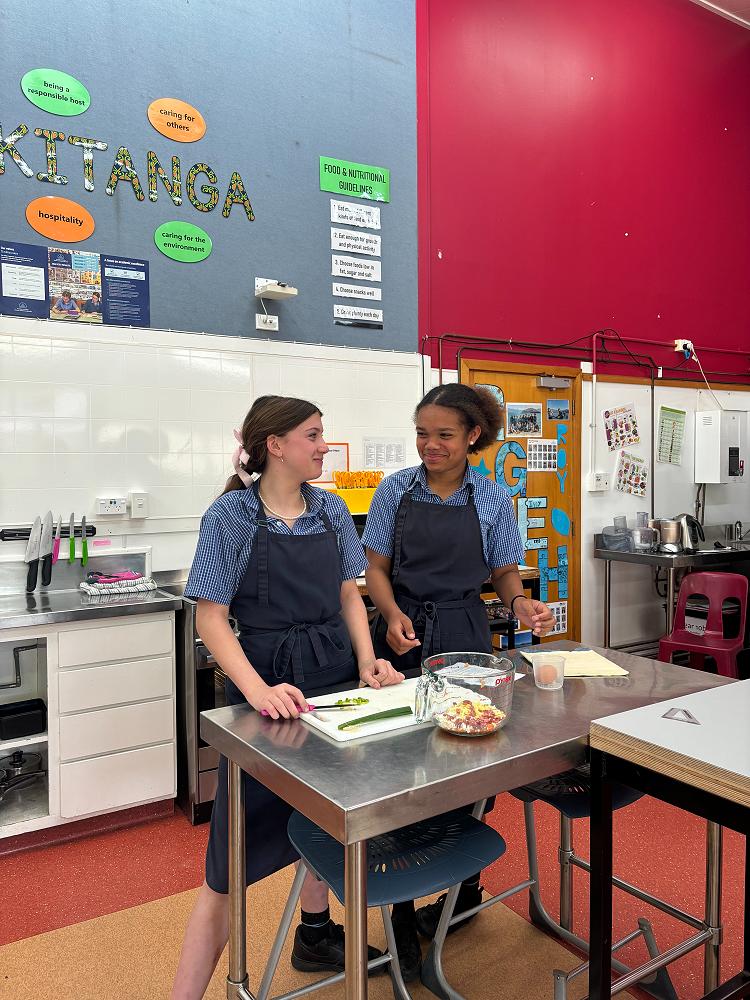
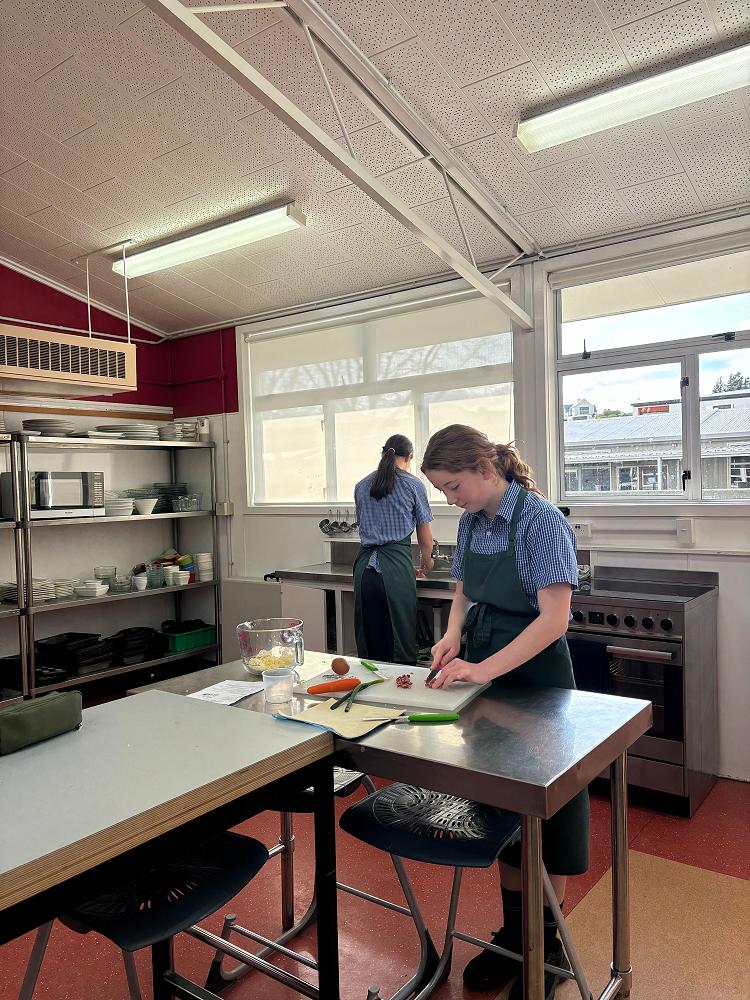
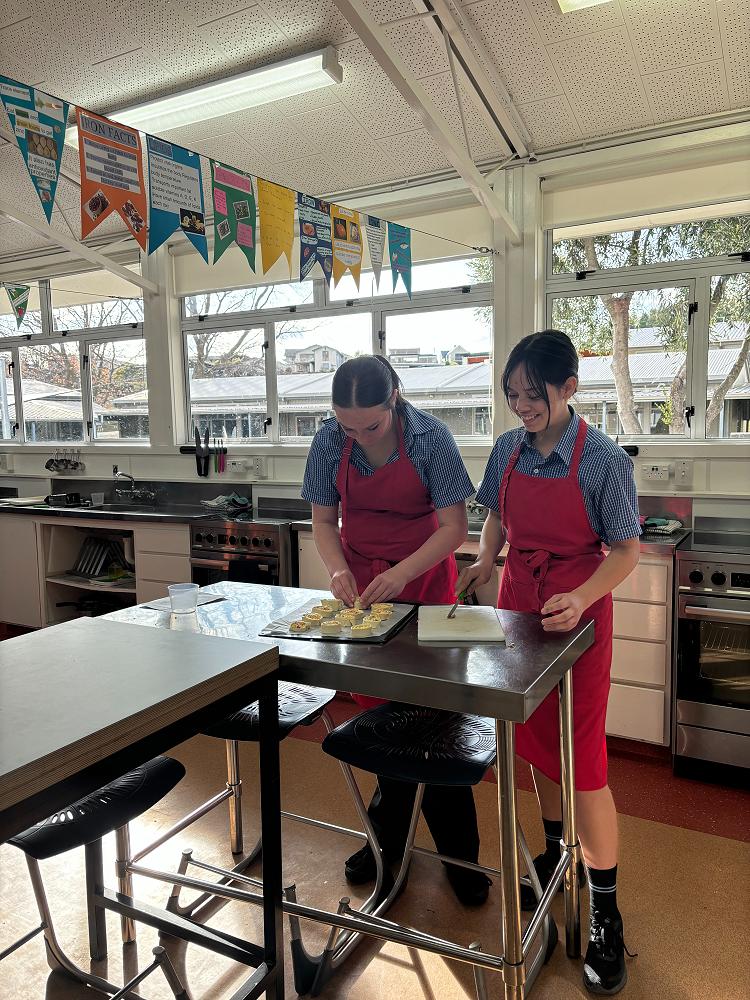
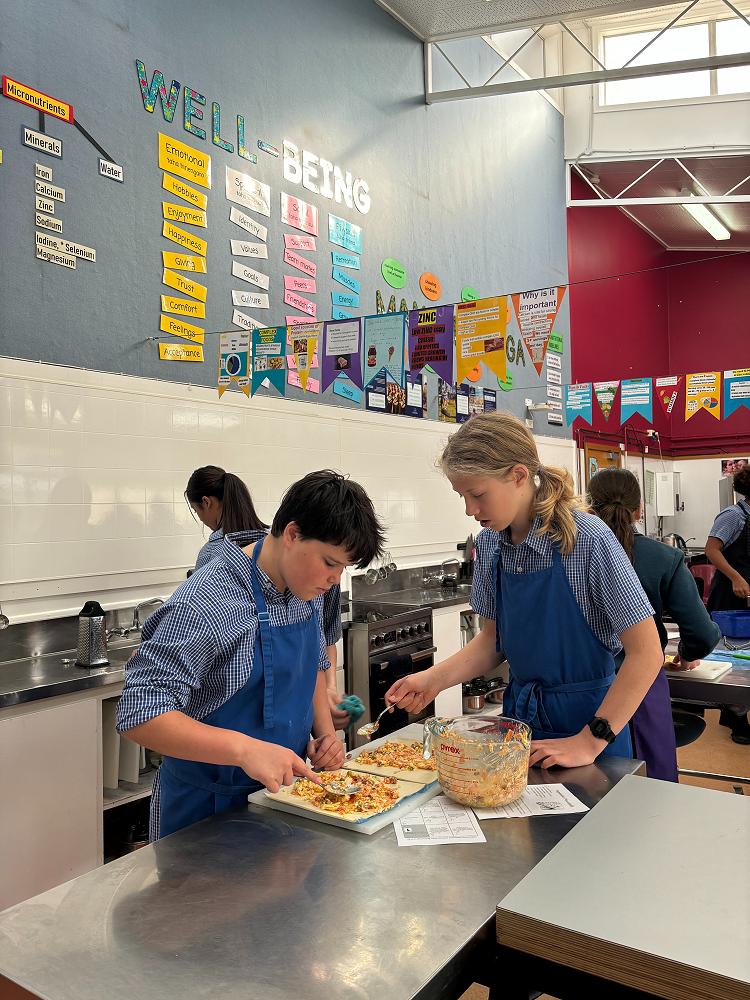
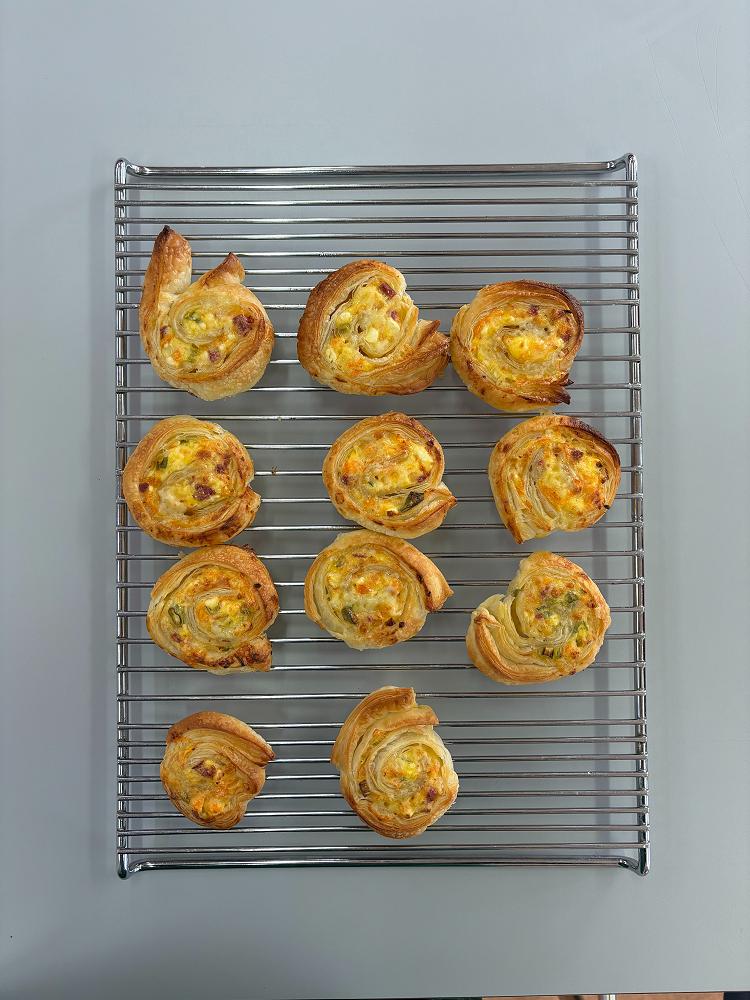
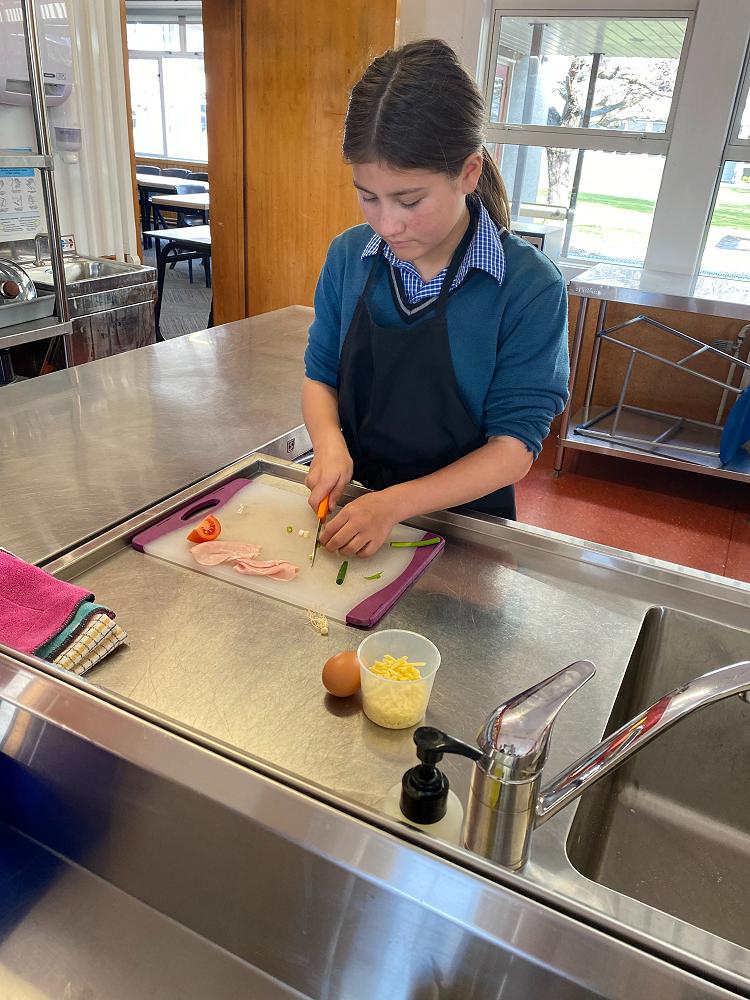
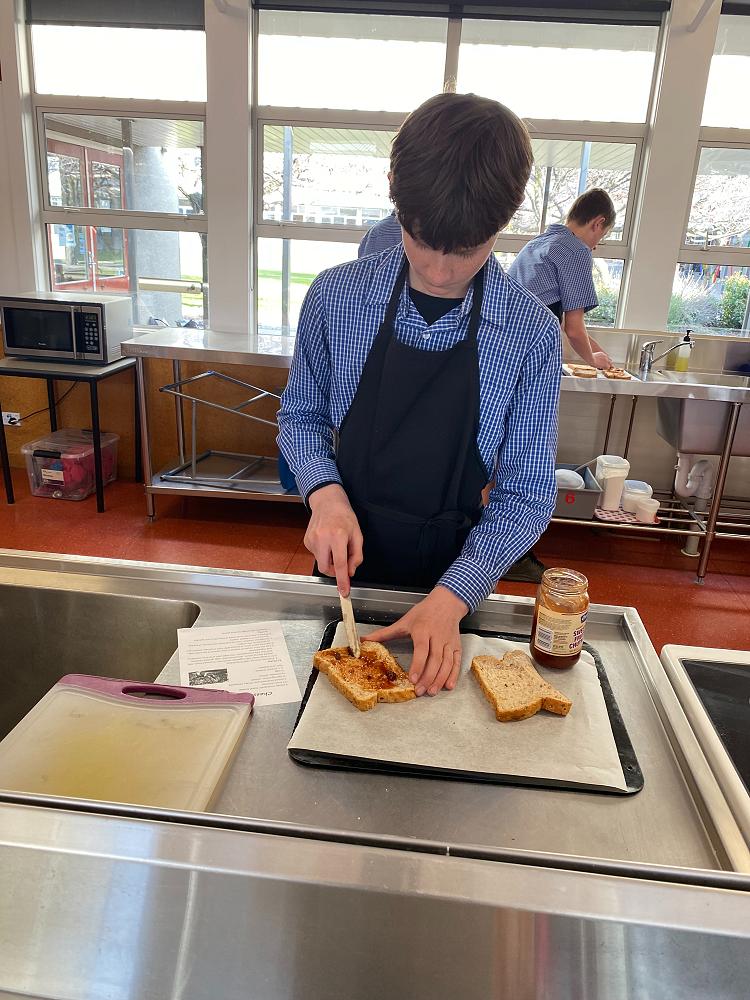
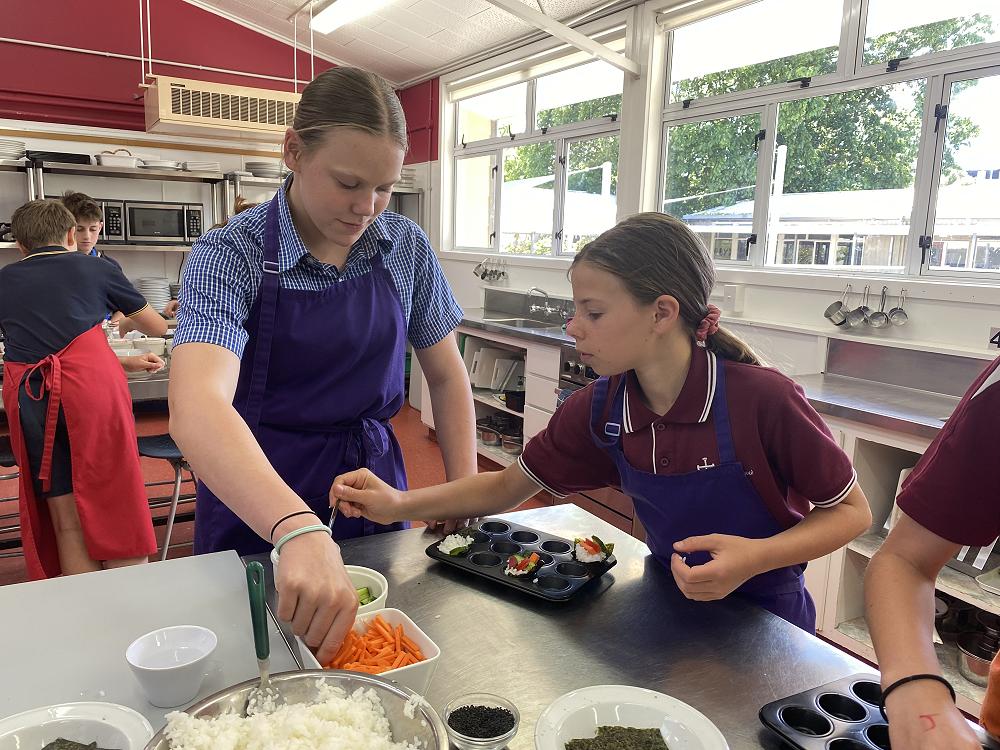
This is a skills-based programme with lots of practical experiences that are often spread over two lessons so students can learn a range of useful techniques. We deliver this learning through the lens of making nutritious snacks. Having the skills to make from scratch saves money, improves nutrition, and keeps energy-dense foods as occasional treats.
Year 9 programme
In Year 9, we showcase ‘what’s in our food’ with a focus on more independent skills that support good nutritional choices. We delve into what processed foods are and why they should be minimally consumed to stay healthy and fit. Alongside this, we promote skills in reading ingredient lists and basic knowledge about the four food groups. Recipes are varied and interesting which receives positive student feedback.
Year 10 programme
This programme focuses on ‘food literacy’ with lots of nutrition to develop good habits and knowledge about how to fuel our bodies for daily demands. Raising awareness of food safety, label reading, and techniques used as part of practical lessons, develop skills well. Understanding ‘models of health’ used to promote a balanced eating pattern also helps to build independent knowledge.
Senior programmes Years 11 to 13
Investigate, learn, apply, make and understand; these all put the student at the centre of learning. Using authentic tasks makes the learning real and reflects what is happening within our community and society more broadly.
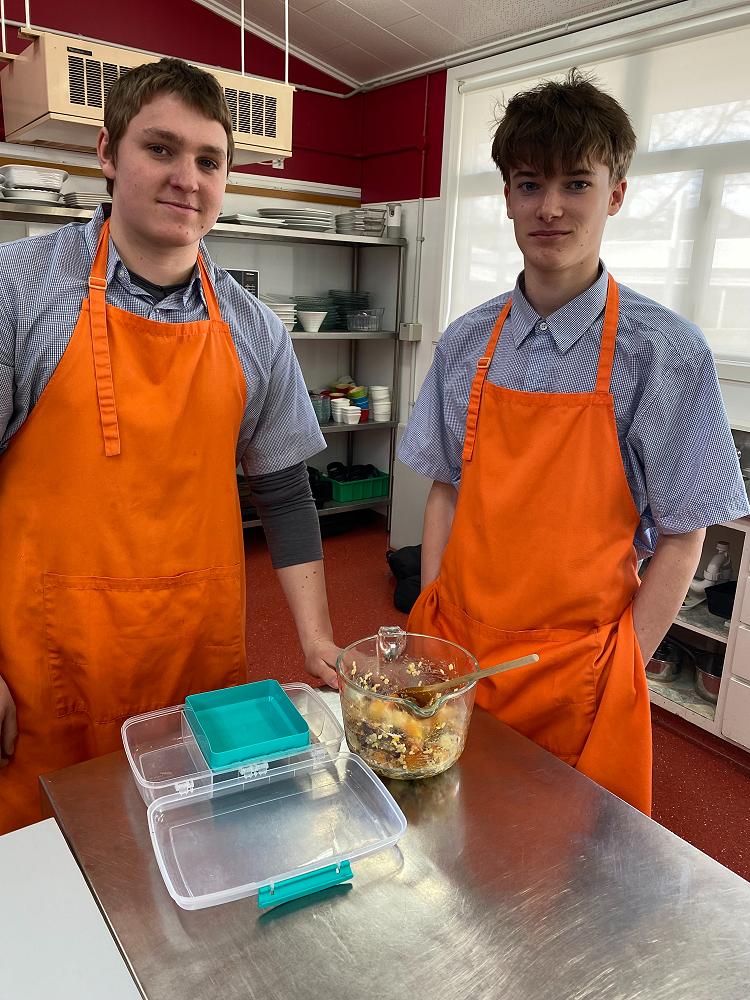
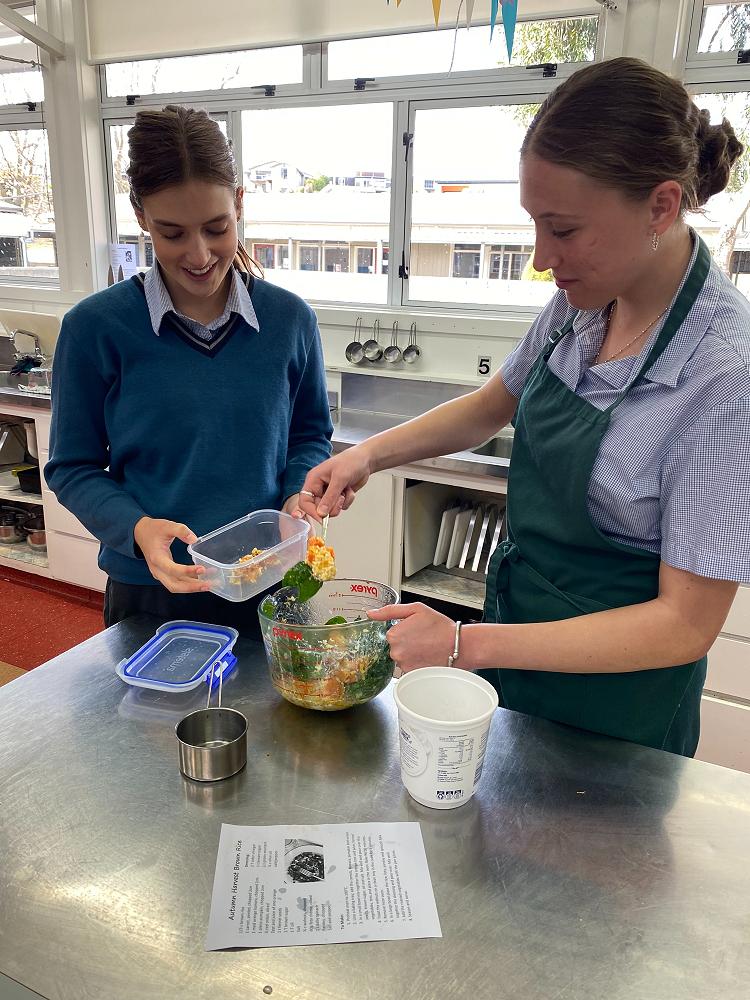
Level 1: Nutrition 101 sets the scene for the year’s learning. We help students understand hauora through designing and making a family meal as a dinner bag. Investigating the factors that influence food choices and better decisions are key components in this topic. Due to less assessment this year, students have enjoyed experimenting with recipes to further understand and develop their knowledge.
Level 2: We focus on community participation by examining sustainable local food production through social, economic and environmental factors. Visiting and interviewing local growers enhances the learning experience. We investigate nutrition by looking at the specific food needs for those who require a modified diet. This year the focus has been on people with coeliac disease and the changes they require to their diet. We explored new food products, gut health, cost of a modified diet, and how this affects well-being. These factors are all examined at a personal, interpersonal and societal level. To prepare for external assessment, we investigate health promotion related to a nutritional issue, such as increasing vegetable consumption, promoting water in schools, and raising awareness of plant-based eating.
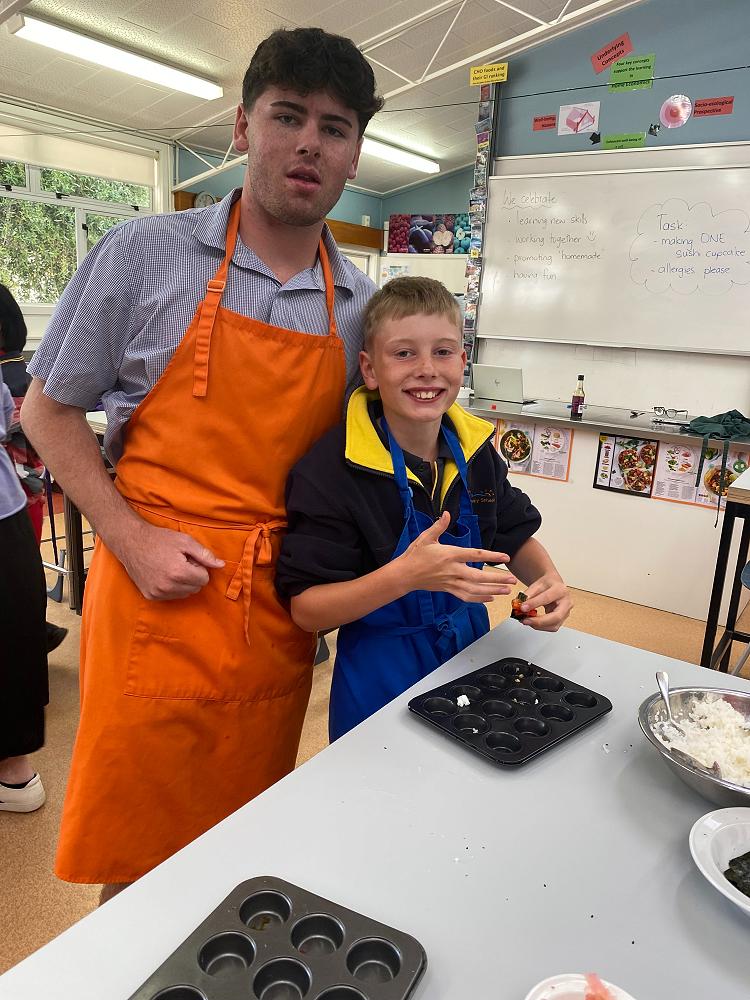
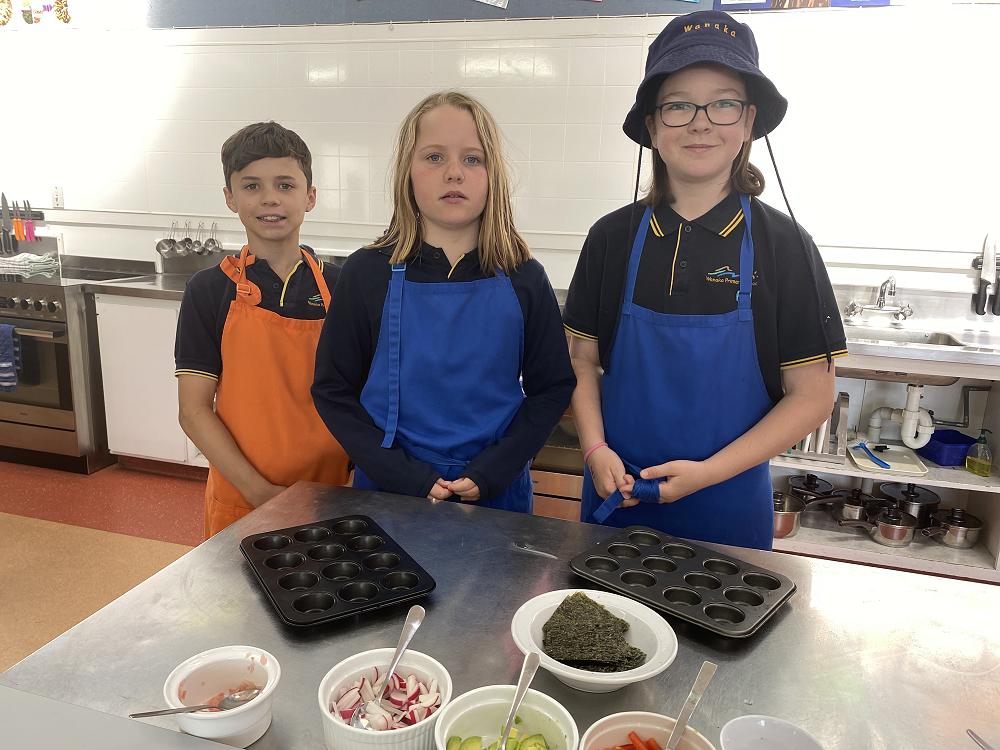
Level 3: The overarching context at this level is over-consumption of energy dense foods and how this affects New Zealand society, from nutritional issues through to the practices used by multinational corporations to engage consumers. This year, senior students have enjoyed teaming up to teach the Year 7 groups about the importance of reducing sugar intake and increasing the fibre content of foods. It was awesome to see the groups working together and our seniors, planning and preparing interesting, fun ways to engage the juniors. It was a very rewarding experience for everyone involved.
Year 7 science fair
Each year, our Year 7 students participate in a science fair which is an opportunity for them to apply the scientific method through conducting their own research. These skills were integrated with report and procedural writing, and maths and statistics where results were shown through data tables and a variety of graphs. Students were encouraged to be curious, follow their interests, and think of real-life applications. After doing their research and demonstrating their work via science boards, our students presented their findings to their whole year level, as well as an open afternoon where parents were invited in to browse all the amazing ideas and investigations.
Following this, some students' projects were selected to present their investigations to a science fair judge. The diversity and high standard of the projects was commented on by our visiting judge Steve Sexton. Some of this work was then selected for exhibition at the Aurora Energy Otago Science and Technology Fair.
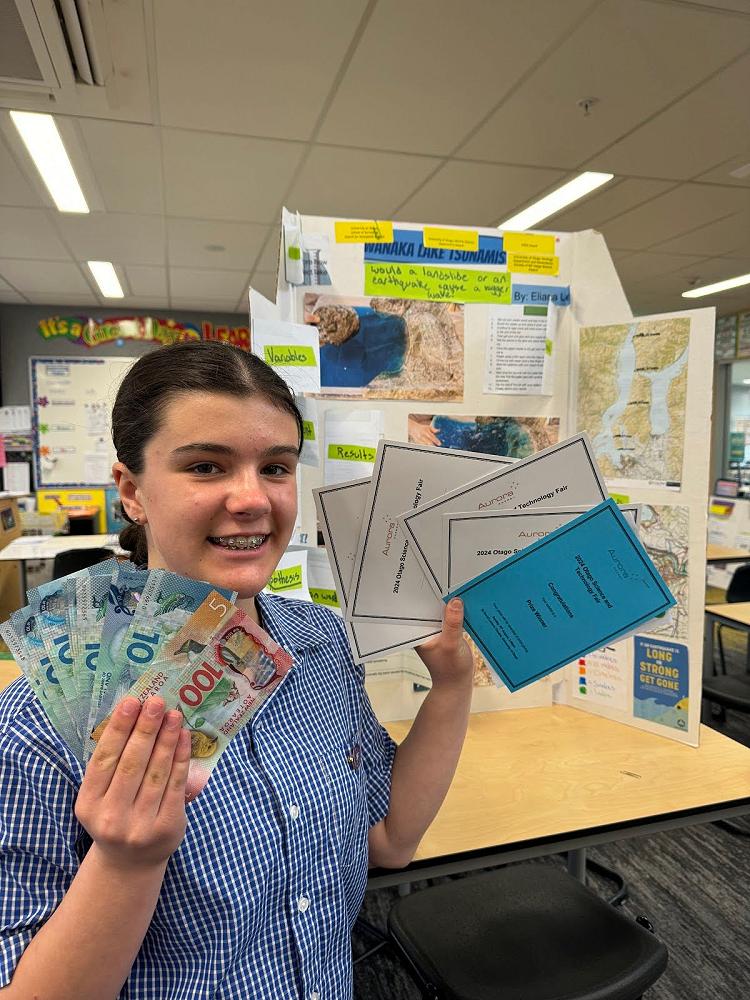
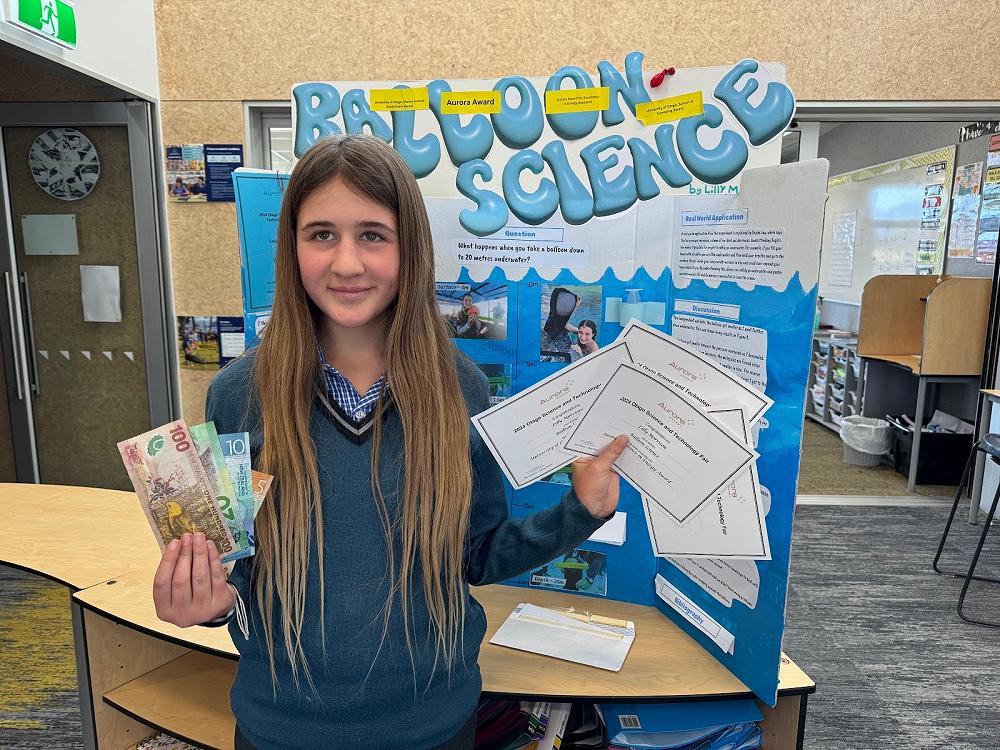
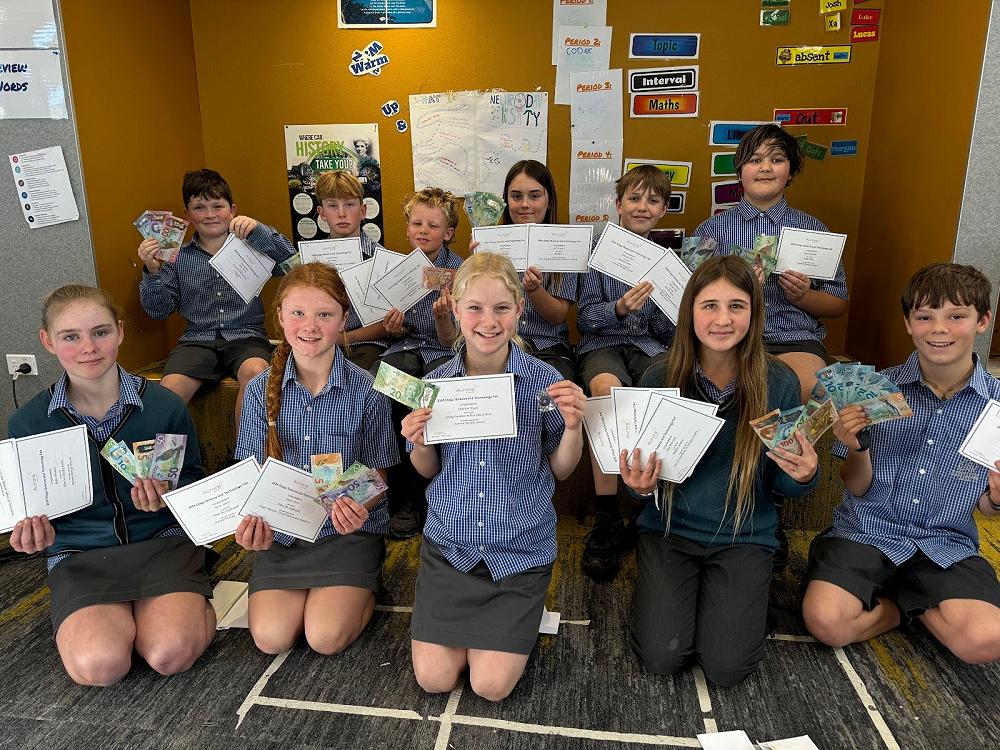
Congratulations to the students who were awarded prizes for their work. A special mention of Eliana Leary who picked up four awards for her project about tsunamis in Lake Wānaka. Through her research, Eliana found that a landslide will be more devastating than an earthquake. Eliana was amazed at her achievement and said: ‘I have never seen a $100 note before in my life!’. And another special mention to Lilly Morrison whose investigation followed her passion for diving and who completed the work while on holiday!
Name | Topic | Awards | Prize money | Total |
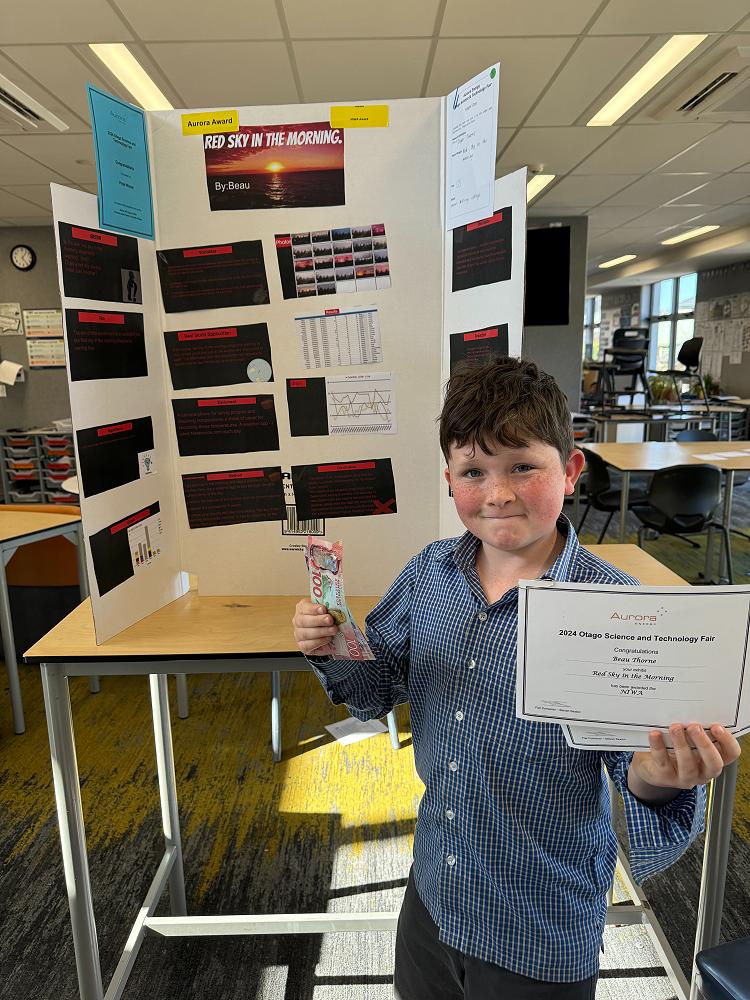
Beau Thorne | Red Sky in the Morning | Aurora Energy Award | 20 | 165 |
Beau Thorne | Red Sky in the Morning | NIWA | 145 | |
Charlise Wyatt | Going bananas with a side of flour | Aurora Energy Award | 20 | |
Coll Stewart | Bridges | New Zealand Institute of Physics Award | 75 | |
Coll Stewart | Bridges | Otago Museum Award Innovation/Hands-on | ||
Duncan Eley | Recycle Paper | Aurora Energy Award | 20 | 60 |
Duncan Eley | Recycle Paper | University of Otago, Office of Sustainability Tī Kōuka Award | 40 | |
Eliana Clarke-Leary | Wanaka Lake Tsunamis | NIWA | 245 | |
Eliana Clarke-Leary | Wanaka Lake Tsunamis | University of Otago, Geology and GNS Award | ||
Eliana Clarke-Leary | Wanaka Lake Tsunamis | University of Otago, School of Surveying Award | ||
Eliana Clarke-Leary | Wanaka Lake Tsunamis | University of Otago, Marine Science Award | ||
Jeff Macale | EMF Reading | Aurora Energy Award | 20 | 100 |
Jeff Macale | EMF Reading | Bachelor of Information Technology, Otago Polytechnic Award | 40 | |
Jeff Macale | EMF Reading | University of Otago, School of Computing | 40 | |
Lilly Morrison | Balloon Science | Aurora Energy Award | 20 | 135 |
Lilly Morrison | Balloon Science | Aurora Excellence in Energy Award | 115 | |
Lilly Morrison | Balloon Science | University of Otago, School of Surveying Award | ||
Lilly Morrison | Balloon Science | University of Otago, Marine Science Award | ||
Mia Reardon | Stain Wars | Aurora Energy Award | 40 | |
Nico Burrows | The science of pasta | Aurora Energy Award | $20 | |
Oscar Brereton | Clean Water, Safe Water | NIWA | 75 | |
PJ Foxley | Growing Broccoli with Red and Blue light versus Sunlight | Aurora Energy Award | 20 | |
Rosie Hirst | What the Hydraulic | Aurora Energy Award | 20 | 75 |
Rosie Hirst | What the Hydraulic | Otago Museum Award Innovation/Hands-on | 55 | |
Rylee Bennett | How to Classify Rocks | Aurora Energy Award | 20 | 85 |
Rylee Bennett | How to Classify Rocks | University of Otago, Geology and GNS Award | 65 |