Our Learning: How we express ourselves
Cultures use traditional and modern stories to explain events and phenomena.
This term Team Rock Solid has been learning through the transdisciplinary theme of "How we express ourselves"
An inquiry into the ways in which we discover and express ideas, feelings, nature, culture, beliefs and values; the ways in which we reflect on, extend and enjoy our creativity; our appreciation of the aesthetic.
Using the central idea of 'Cultures use traditional and modern stories to explain events and phenomena' we used the concepts of Form (what is it like?), Function (how does it work?) and Perspective (what are the different points of view?) to guide our thinking and inquiring.
We have been exploring these lines of inquiry:
Oral storytelling can be used to explain events of the natural world.
The beliefs and values of cultures are reflected in their storytelling.
The process of storytelling can be expressed in many different ways
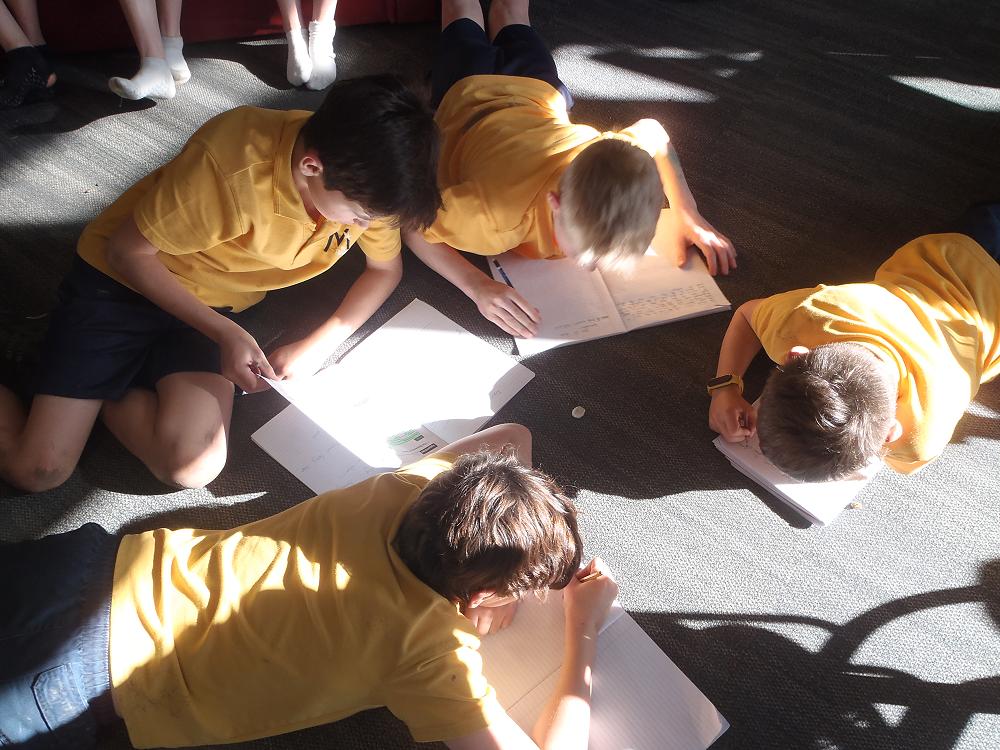
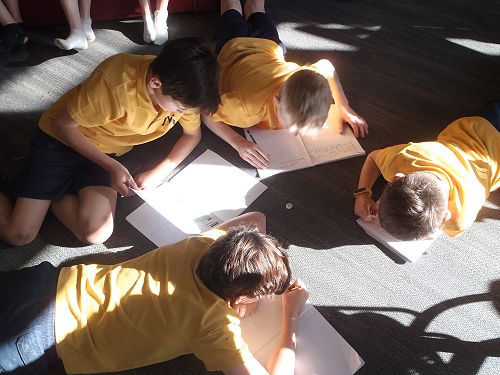
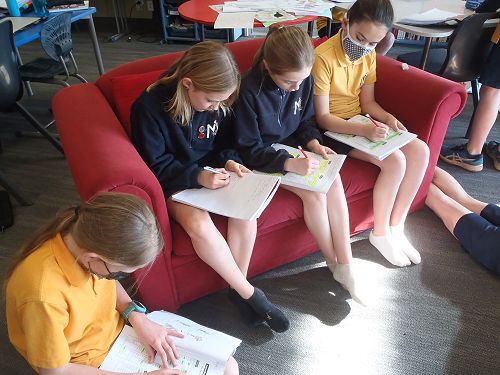
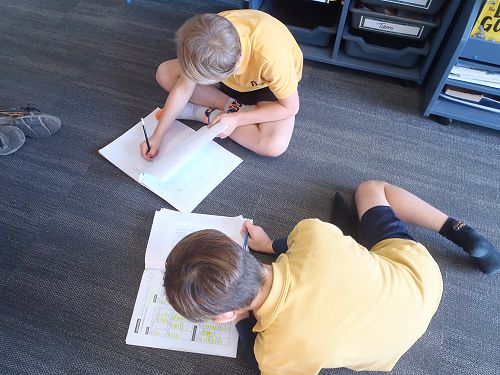
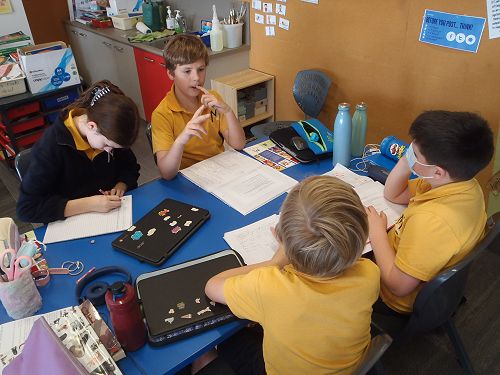
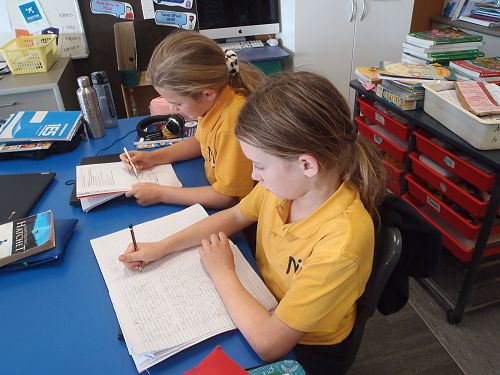
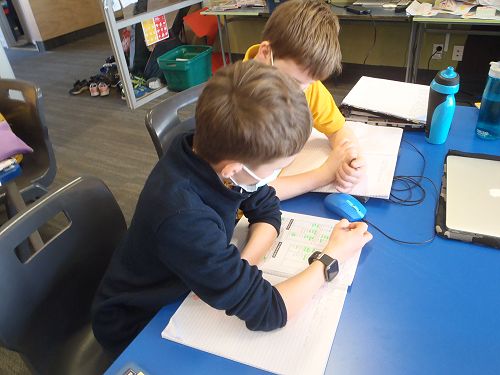
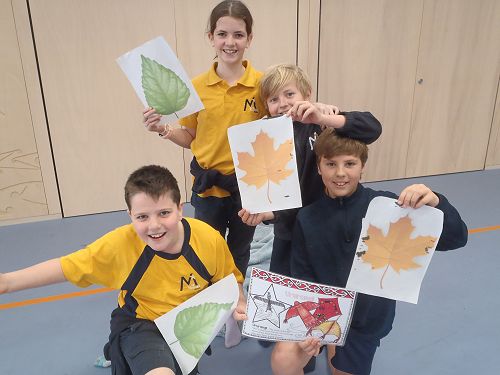
Rooms 12, 13 and Waitī have spent the past 6 school weeks saturating themselves with myths and legends - Reading, Writing, Drawing and Performing. They examined the structure and purpose of myths and legends. They delved deeper to find similar myths from around the world that told stories of creation. They crafted their own myths that told a story of creation.
During our inquiry into how cultures use traditional and modern stories to explain events and natural phenomena, I created a myth that explained how mountains were formed.
My favourite part about writing my myth was when I was introducing the characters.
Some of the challenges I came across were writing the dilemma and the ending.
~ Amy R13
I created a myth that explained how dreams were created. My favourite part about writing my myth was I loved seeing how creative I could get.
~ Eric R13
I created a myth that explained how a small town got their colour.
My favourite parts about writing my myth was describing sky and it made me smile
Some of the challenges I came across were my self-management skills and thinking of amazing ideas and describing words.
~ Paige R13
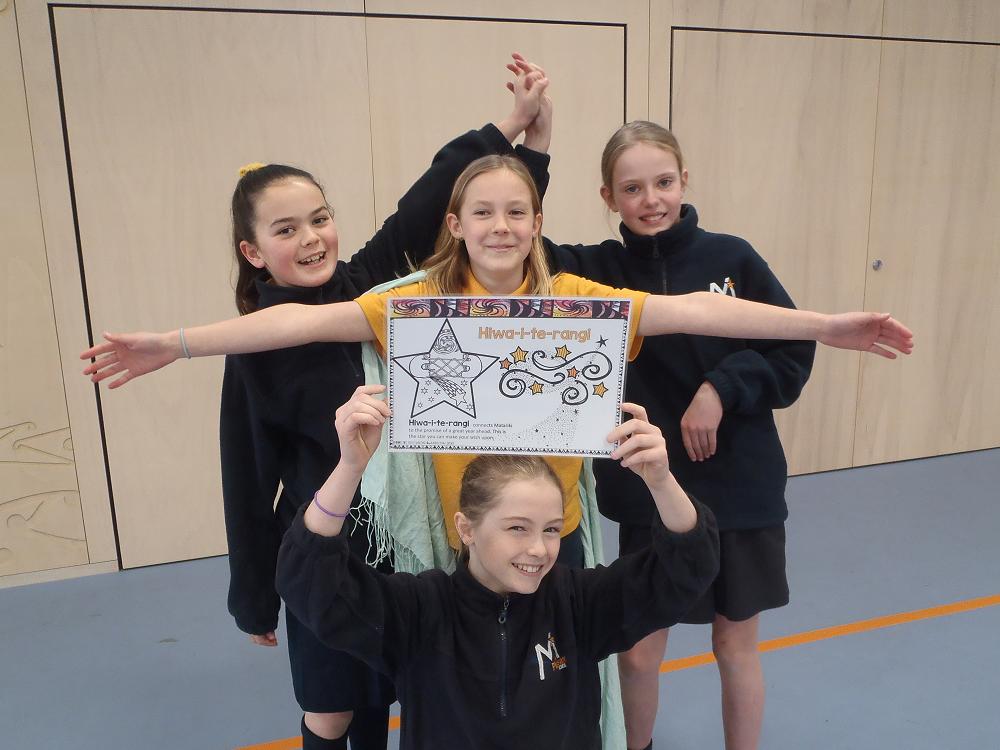
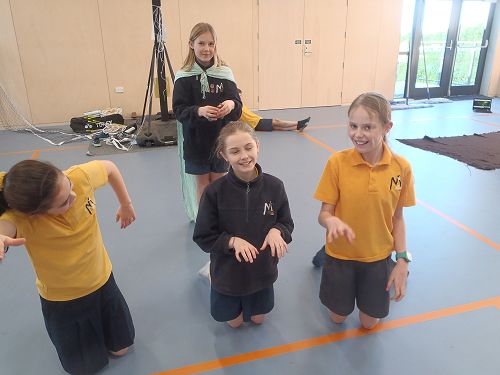
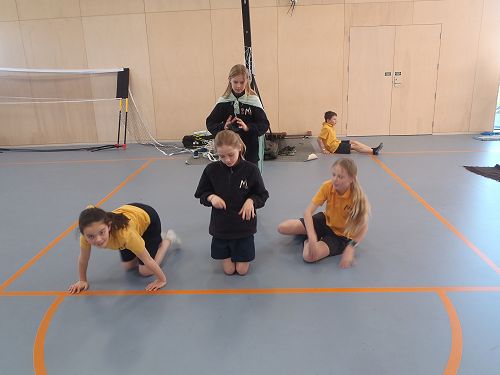
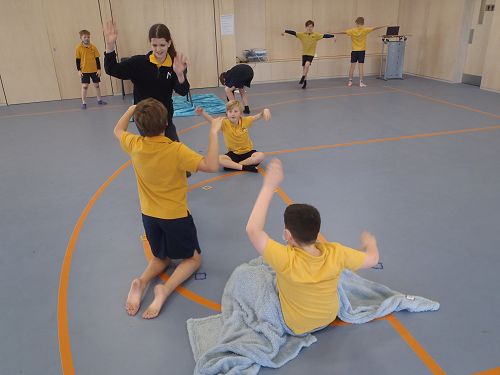
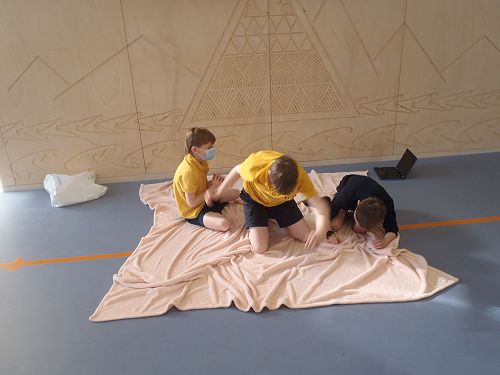
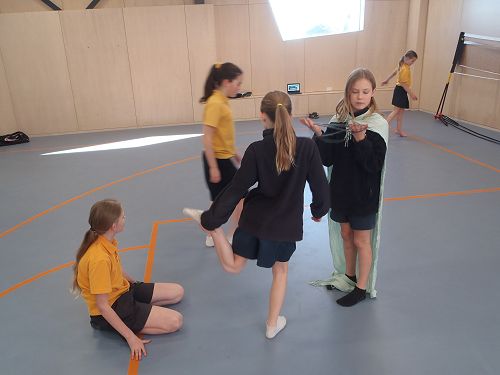
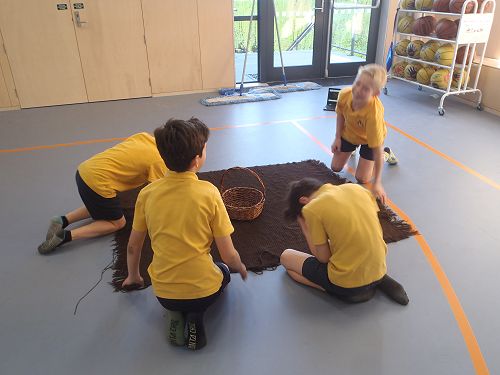
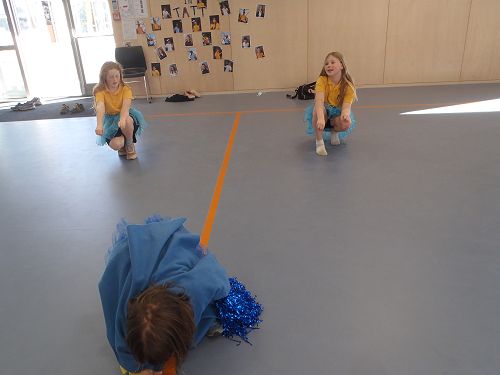
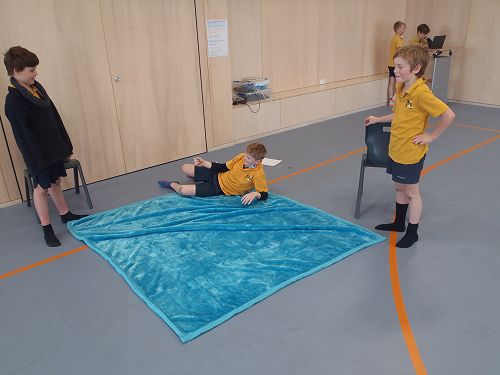
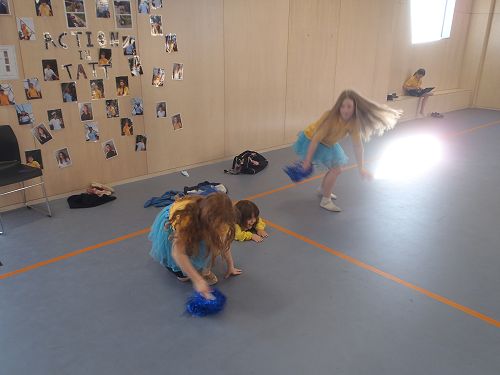
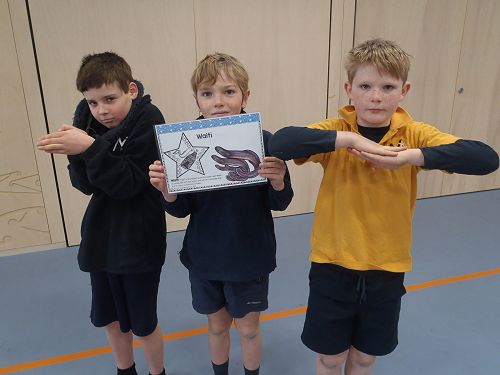
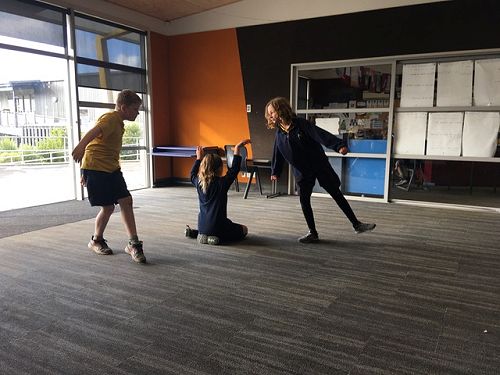
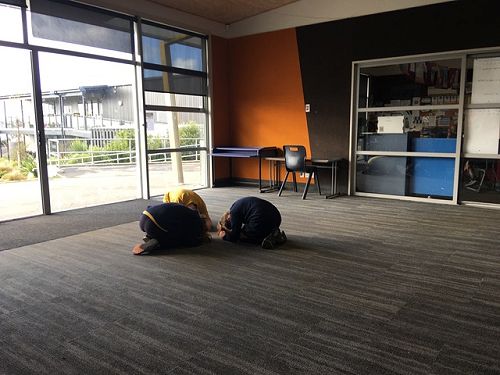
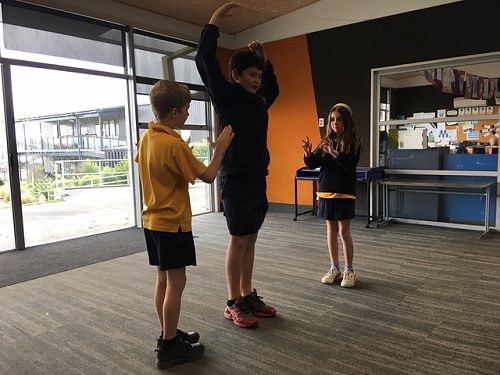
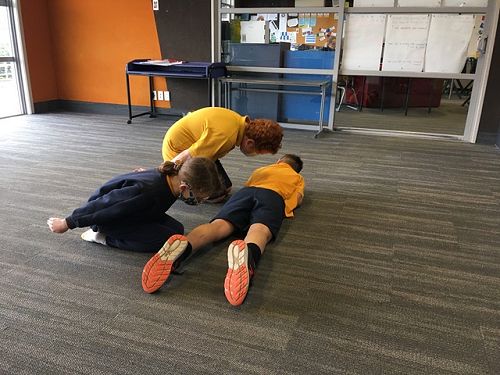
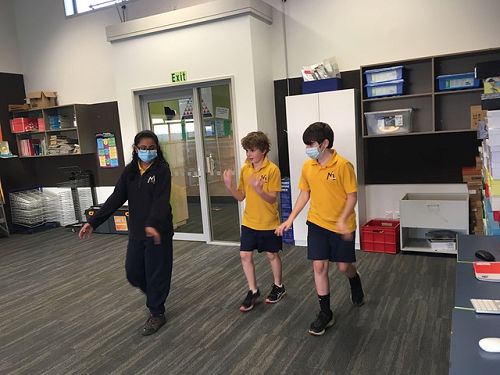
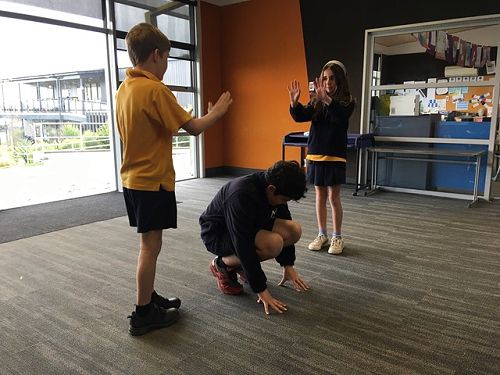
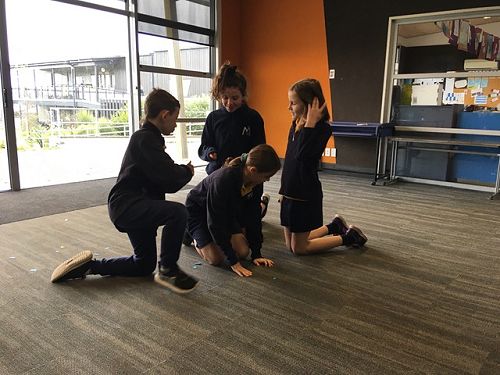
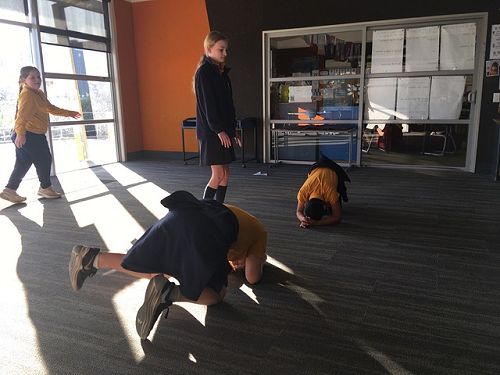
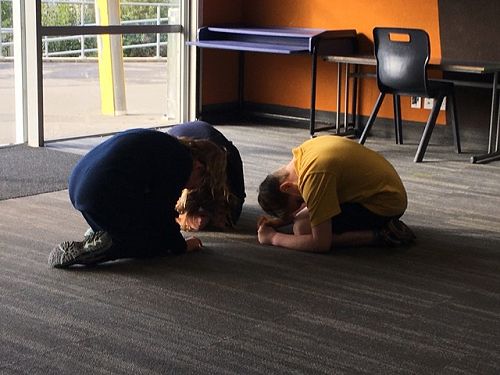
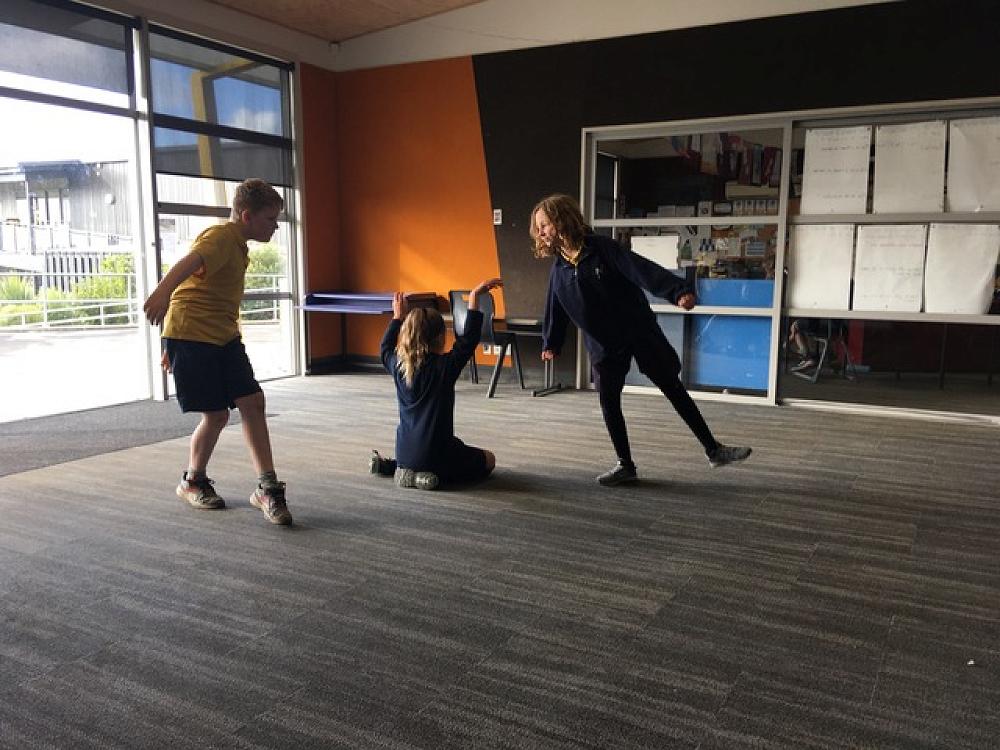
Another component of this inquiry was for students to choreograph a dance that demonstrated their understanding of one of the Matariki Stars. Students inquired into the 5 elements of dance and collaborated to create a non-verbal interpretation that involved all members of their group.
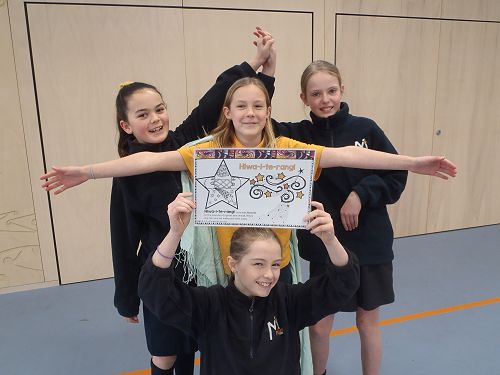
My group performed a dance for the star Waiti This star represents fresh water and the creatures and beings that live in freshwater.
The Elements of Dance we used were space, time and energy.
We connected with the audience by using lots of different tempos and finding interesting music.
~ Ryan R13
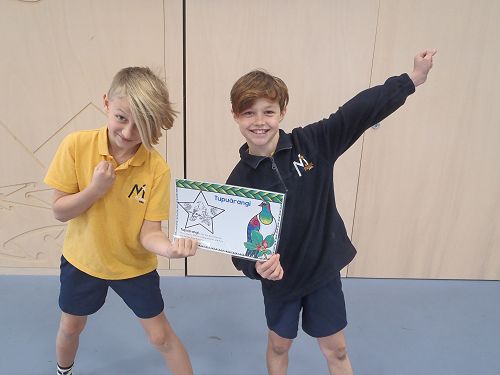
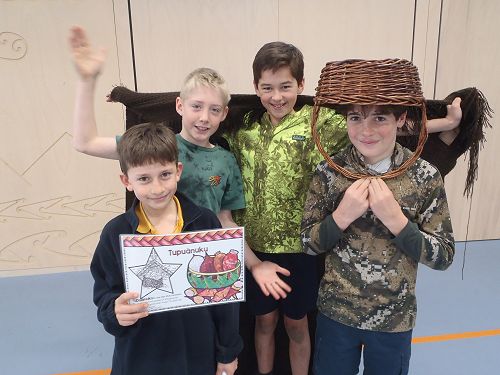
My group performed a dance for the star Tupuanuku. This star represents food grown in the ground.
The Elements of Dance we used were, Body awareness, Space, Time, Energy and Relationships
The element of dance that we used the best, was relationships. I think that because we moved around a lot doing different things.
~ Johnny R13
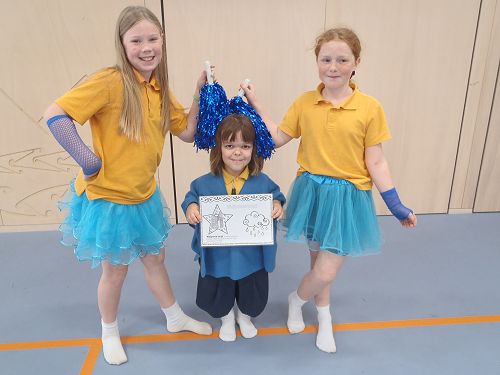
My group performed a dance for the star Waita . This represents Salt water and all inside the sea. The Elements of Dance we used were Body awareness, space, time, energy relationships We connected with the audience by wearing blue and using a bright blue sheet. My group found that Finding music was easier than it sounded.
~ Charlotte R13
Gallery