Science in Year 9 - an overview
Last year, the Nayland College Science Learning Area changed their reporting system to start reporting on Nature of Science (NoS).
Nature of Science is the overarching strand of the New Zealand Science curriculum. Through this strand, students learn what science is, how scientists work, and they develop the skills, attitudes and values to build a foundation for understanding the world around us. NoS also focuses on the skills of communicating science, carrying out investigations and research, and making links between scientific knowledge and everyday decisions and actions. Students at Nayland College are still learning science content. However, when reporting on NoS, the focus is on how students gain their knowledge (research and investigations), how they communicate that knowledge (communication), what they do with that knowledge (participating and contributing) and how that knowledge has come about (understanding about science).
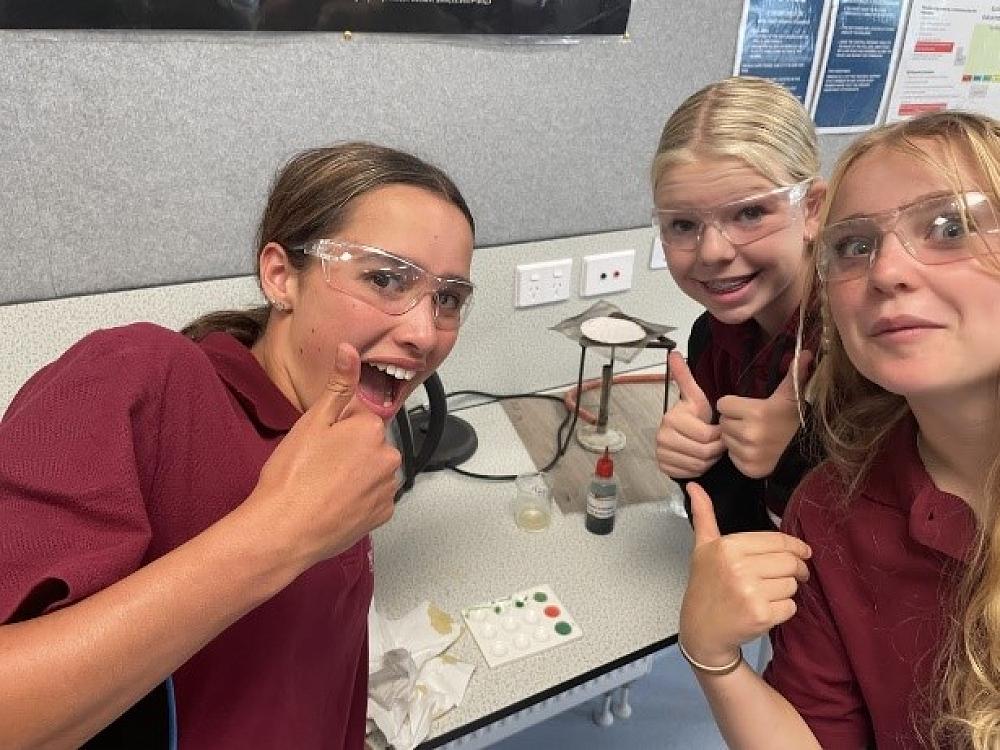
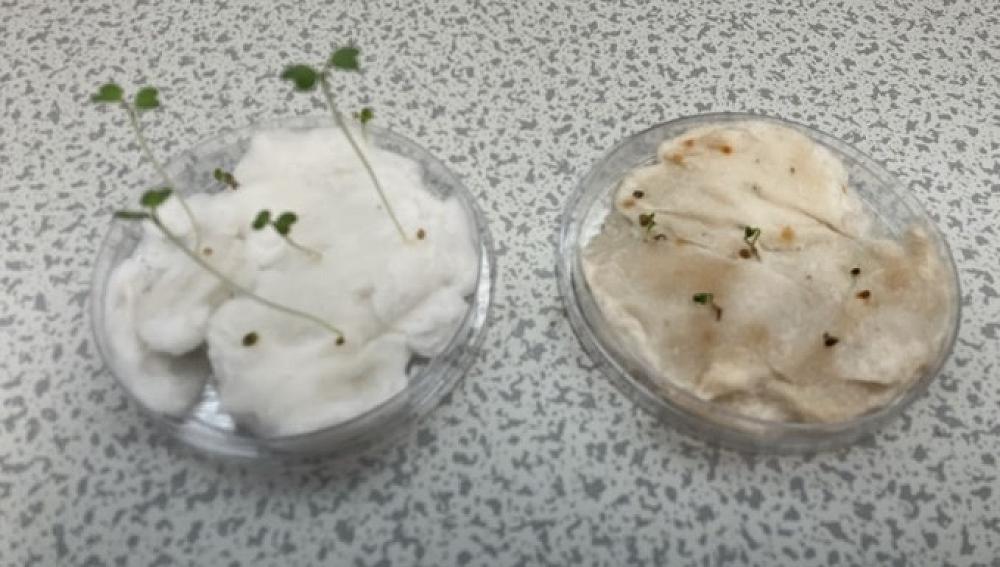
This year, the Year 9 classes started with the topic Ko Wai Tātou where we explored the science connected to our four waka and our local area. Students brainstormed the different science content linked to the four waka and these brainstorms are forming the foundation for the mahi for the rest or the year. During the rest of Term 1, we explored Ngā Whatu (one of our waka) and most classes investigated how our local pine industry may or may not impact on the growth of plants in our Stoke area. Following on from that, teachers assessed the students’ abilities to carry out an investigation.
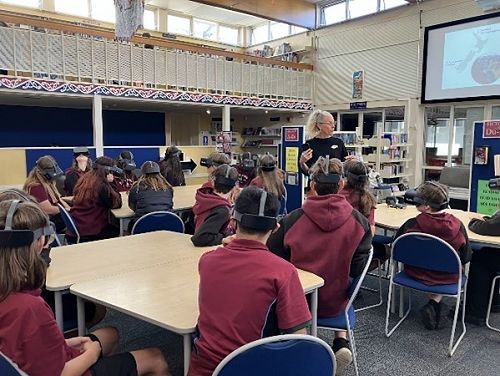
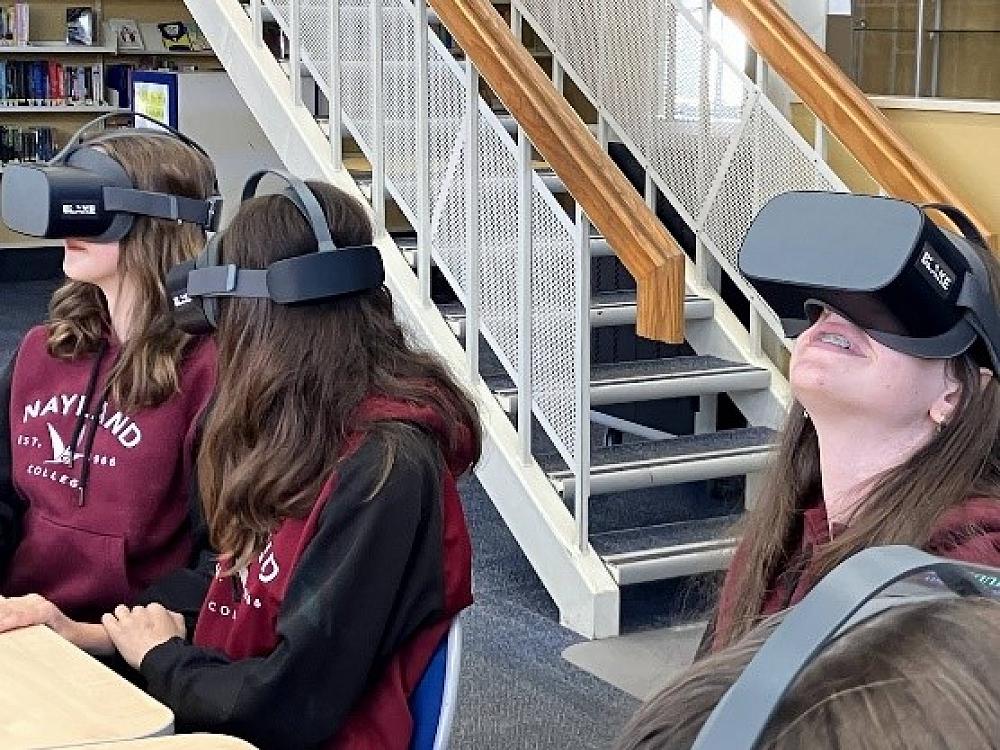
This term we have been focussing on our Waiora waka and we have mainly been exploring the health of our local moana. During the first week of term 1, Nayland College was visited by the Blake Foundation and the students had the opportunity to explore under the ocean using virtual reality (VR) googles. The aim for the foundation is to connect young people with the marine environment. Through these VR googles, students experienced the rich biodiversity that exists below the surface of the ocean, as well as the damage that has been done to the ecosystems. Throughout the Waiora unit students have since then been learning about marine biodiversity, ecology, pest management, classification and the use of eDNA as a pest detection tool.
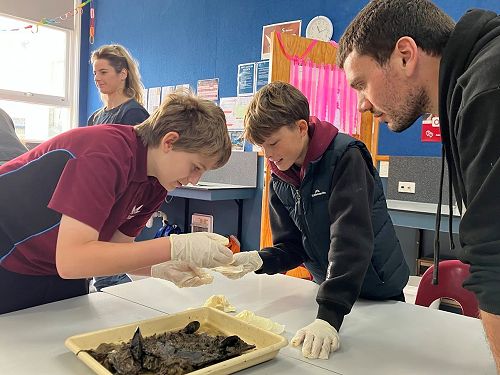
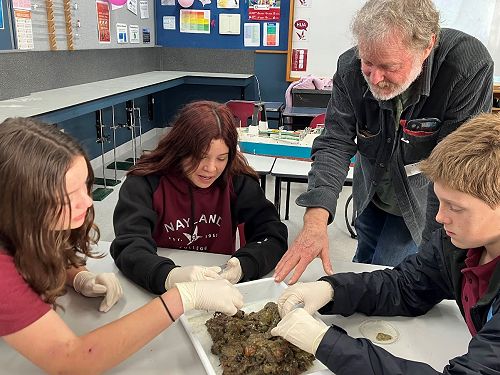
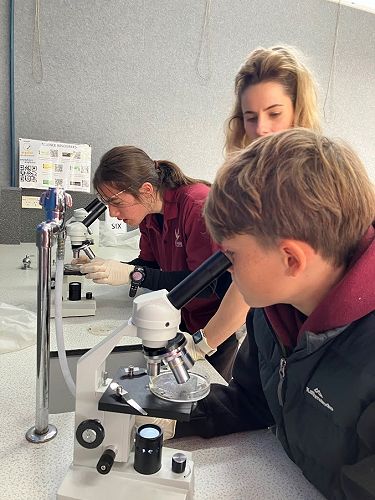
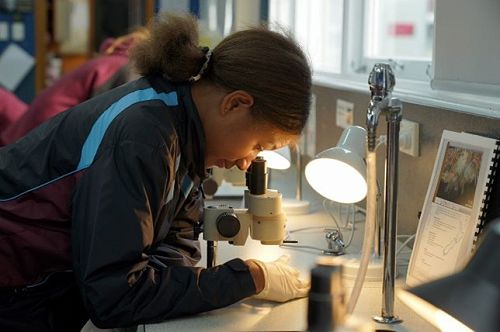
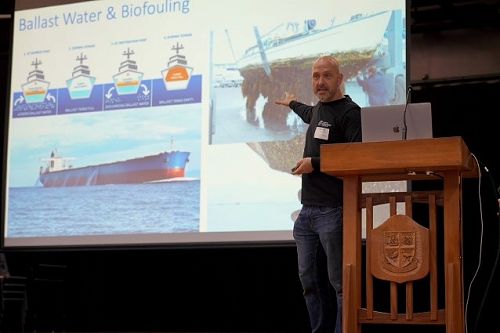
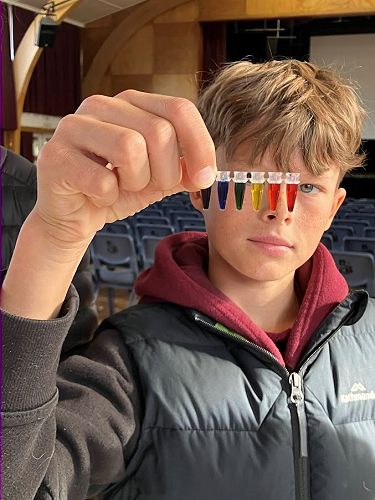
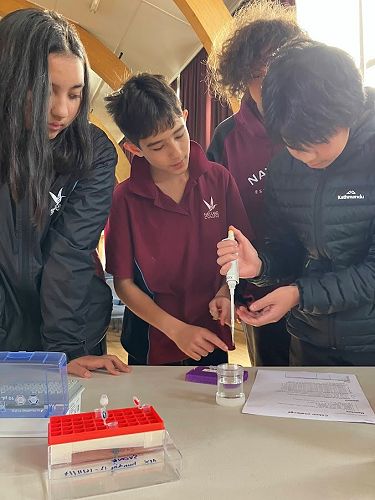
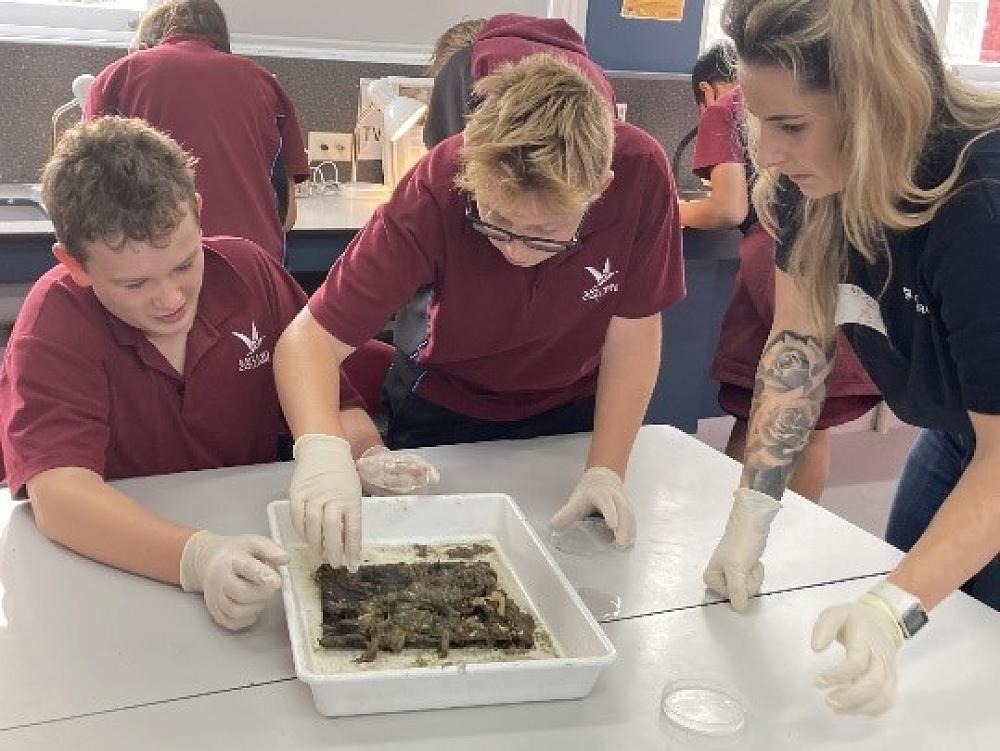
Earlier in the term, scientists from our local Cawthron Research Institute came to run workshops for some of our Year 9 students. Students were learning the skill of using micropipettes, and then using those skills while exploring a new cutting-edge molecular technology using environment DNA in the ocean to detect non-indigenous species in our oceans. Students were also looking at fouling plates from our local marina, using microscopes, and listening to a talk about how our local scientists are involved in groundbreaking research into marine pest detection.
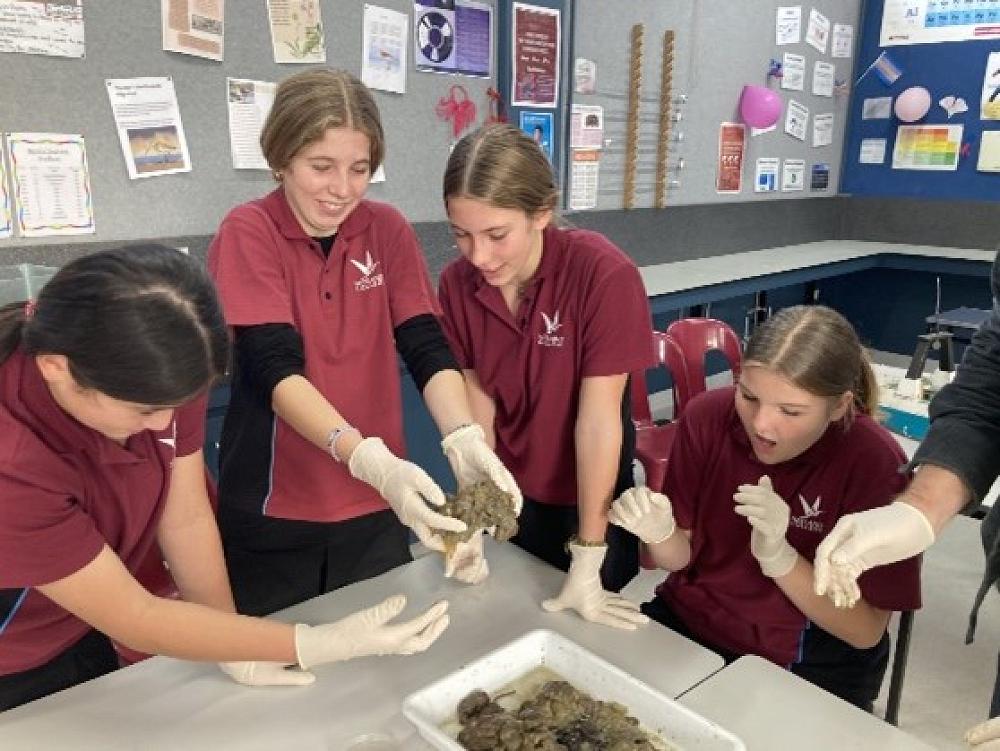
Back in class, students are continuing their learning about pest management, fish anatomy and the chemistry of freshwater health. Our focus this term is on how well students can communicate their science understanding so teachers will be reporting on that particular NoS sub strand by the end of this term.
During the next two terms, we will focus on the science connections to our Omaio waka and the Manakau waka. Planning is underway as to what those units look like based on the students’ brainstorms from earlier in the year. Our aim is to make our science education engaging and relevant to our students through using our local contexts – our four waka. Teachers will continue to report on the remaining NoS strands being participating and contributing and understanding about science.
Gallery