
Eco-Building, Eco-Planet
An article by Elsie Saunders, who got an honourable mention in the Young Reporters for the Environment competition, run by Keep NZ Beautiful.
With any major problem, you can guarantee that there will be many causes, not just the most widely-known ones. This is, unsurprisingly, true for the biggest problem the world has ever faced; climate change. One of these lesser-known causes is the hidden waste within the construction and demolition industry. Sadly, construction and demolition waste, or C+D waste, is a huge problem that some say creates 50% of all waste.
So, why is this bad? Most waste is going to landfills, and landfills are bad for a number of reasons. For example, they take up space, they can’t be used for anything much afterwards as they don’t drain well, they contaminate water, and they release bad gases. Many say that for every five houses built, another one’s worth in materials is thrown out. Building waste can also contaminate soil, making it unusable.
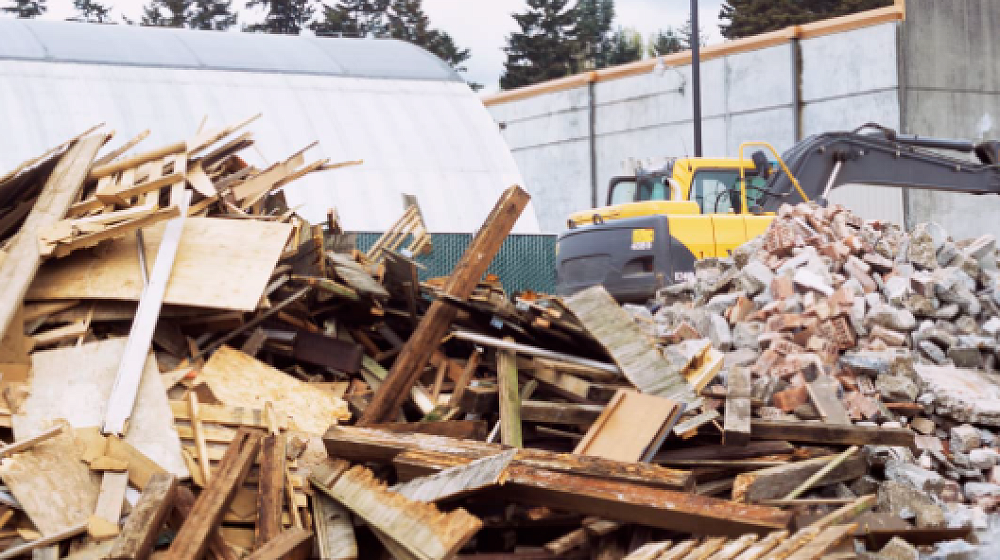
Most of this waste, (as much as 90%) comes from demolition. This is because, to demolish, the easiest method is to use tools and machines to quickly pull down the building, reducing it to rubble, and then send all that rubble to the landfill.
So demolition itself creates most of the problem, but the remaining 10% is still down to construction. This comes from a wide range of materials, but the largest contributors are concrete - excess that they do not need -, timber, carpet, and any material that is included in the build offcuts. These offcuts are partly because builders can be lazy. As green building researcher, Rochelle Ade, said when I spoke to her, “Rather than hunting through an offcuts pile for a piece of timber that might suit, [the builders] will cut into a whole new sheet of timber, cut off what they need and use that, then make the entire sheet unusable because it is now too short for another purpose.” The sheet will then, as it is too short, be sent to landfill.
Luckily, there are lots of things we can do to stop this, and better yet, most of them aren’t that hard. As I found out from my talk with Rochelle Ade, there are many things that anyone managing a construction/demolition project can do that will help.
The first and most obvious one is recycle, recycle, recycle! When demolishing, rather than pulling the entire building down into rubble, the best thing to do is to take it apart bit by bit, and then sort those pieces into piles such as reusable timber, plasterboard, steel, or anything your building is made from. Then, when constructing a new building, you can sort through the piles to find a bit you might need rather than cutting into a whole new sheet of whatever material.
The second good solution is renovate, not demolish. Most of the time a building can still be renovated rather than knocked down, thus saving waste. Another idea is to not use carpet. A remarkable amount of construction waste is from carpet offcuts, and so to just have bare floorboards with rugs would help your waste levels a lot.
Something great that we need councils to be doing is increasing the cost of dumping C+D waste in landfills. “The more expensive it is to send construction and demolition waste to landfill, the less people will do it.” says Rochelle Ade.
Although those are some great ways to help, if you are not planning a construction or demolition project then you might be wondering how you could help. What you need to do is: spread the knowledge! The more people that realise what a big problem this is, the more people planning a construction or demolition project will realise, which in turn will mean more waste prevented/recycled.
The good news is, there are actually people out there using those solutions, recycling their waste, changing this problem for the better. We just need more of those people. Here are some examples of buildings that recycled and helped the environment.
BRANZ (Building Research Association of New Zealand) Campus, Wellington - This association undertook a complete renovation of two buildings on its campus. They managed to recycle 77% of demolition waste and 92% of construction waste by reusing materials, selling wood as firewood, and sending some materials to cleanfills (cleanfills only accept natural materials like rock, clay, soil, etc.).
Southern Tonar Block, North Shore - this project was demolition only. There was a block of flats built in the 1960s that were nearing the end of their life. The project managed to recycle 94% of waste! They did this by composting plasterboard, mulching timber, and recycling.
Luckily, some organisations are doing great things to help, like Green Gorilla, a waste processing plant in Auckland that collects, separates, and recycles building waste. Every year, they divert 75,000 tonnes of waste from Auckland landfills. Waste Management New Zealand does even better by recycling over 200,000 tonnes of waste a year! Globally, hundreds of organisations are working to stop this huge problem.
One reason why some of these solutions don’t always get put into practice is cost. In this industry, time is money. The longer it takes builders to take your building apart, the more money it costs. So, most people don’t tend to do this, but it is still needed! Luckily, as mentioned above, there are other solutions, like renovating rather than demolishing. Renovating can be much better for your wallet, because renovations are usually smaller projects. Rochelle Ade mentions another cost-saving solution: “If you don’t use carpet, then that will be a huge cost saving.”
I hope that this article has opened your eyes to the hidden problems that are happening right under our noses, and has made you realise what an environmental problem this industry really is. So next time you are planning a construction or demolition project - or even if you’re not - maybe think about the environment and what things you can do to stop this massive contributor to climate change.
Bibliography and Citations
Rochelle Ade, Green Building Researcher of New Zealand, 29th June 2023, Personal Communication
Sylvain Bosquet, Construction21, July 10th, 2018
https://www.construction21.org/community/pg/pages/view/35818/
Surplus Building Materials, March 31st, 2022
Level.org, December 12 2022
https://www.level.org.nz/material-use/minimising-waste/
Building Research Association of New Zealand, 10th June 2023
https://www.branz.co.nz/sustainable-building/reducing-building-waste/
Building Research Association of New Zealand, 11th June 2023
Building Research Association of New Zealand, 8th June 2023