Protest and Activism at Wellington Museum
To understand our future we must first understand our past.
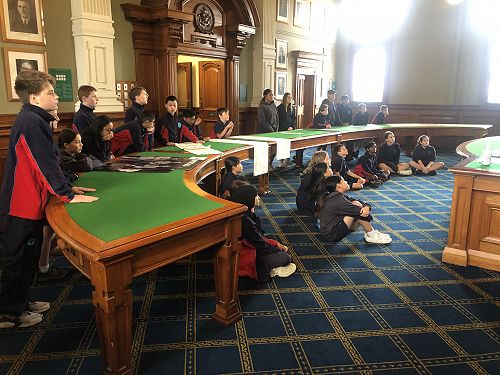
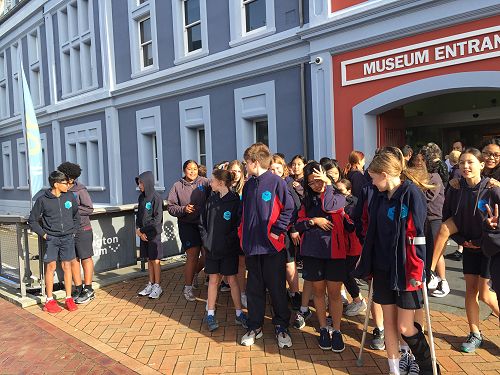
On the 24th of June, Room’s 5 and 7 had a trip to Wellington Museum. The idea of the trip was to learn about social activism and protests which have happened in New Zealand’s history.
We learned about Archibald Baxter who was a pacifist who lived during the First World War. He refused to fight and was later arrested, beaten, and bound to a post where he was left for up to 4 hours a day.
We also learnt about Dame Whina Cooper, a Maori woman who was dedicated to getting Maori land rights back. In 1975 her group marched from the northern tip of the North Island to Parliament in Wellington, gathering over 5000 people on the way.
Apartheid was a South African law that lasted between 1948 and the early 1990s. It stated people of colour and white people couldn’t be near each other. While this law took place, the All Blacks agreed to play the SpringBoks, however since this law took place they had to leave the Maori and Pasifika players in New Zealand while they went to South Africa. Many people thought this was wrong and they shouldn’t be supporting apartheid which then that led to many protests.
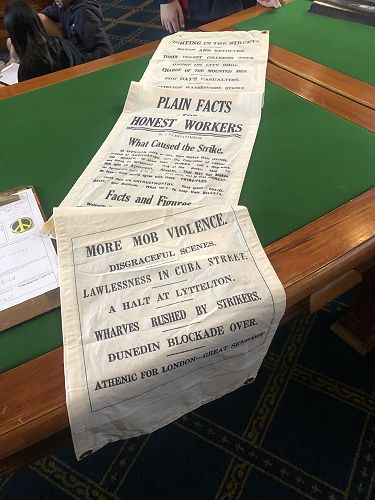
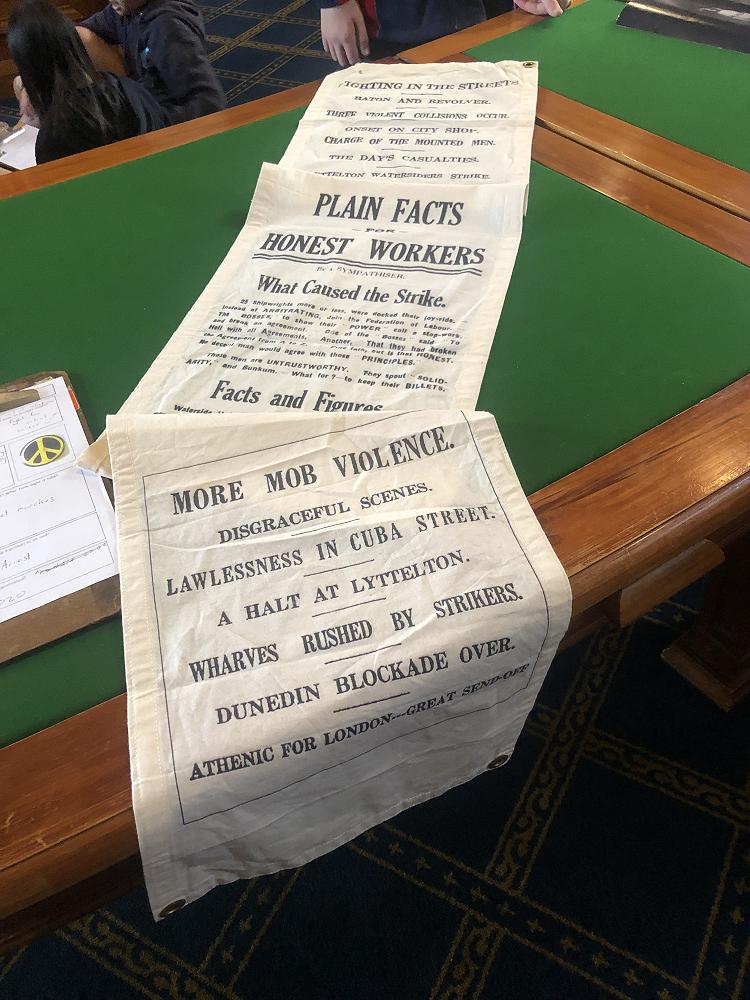
The final focus for our tour was the 1913 wharf strikes which occured on Wellington’s very own waterfront, the busiest port in the country at that time. The strike attracted attention world-wide as the working class showed they could hold power over the most vital link to the country’s economy. Unfortunately, the strike became incredibly violent with workers, the unlucky ones this time around.
Both rooms thoroughly enjoyed this trip, and we are looking forward to learning more about important historical events in New Zealand, in the future.
Gallery