
NCEA Playtesting
Have you heard recently about the playtesting at the College and wondered what it was? Have you ever wondered what it would be like? Well, this is Neva and Elsie reporting to answer all of your questions. We are two Year Seven students experiencing the joy of playtesting at Newlands College for the very first time. Read on to find out all about what this is and how it works.
Playtesting is open to anyone and you don’t have to know how to code or even game a lot at home to do it. Students from the Intermediate have been going over to the College to test and give feedback on the Year 11’s computer games. These games are being developed as part of NCEA Level 1 Digital Technologies class and we are testing them to help them tonot only improve their game but to get a better grade.
Ryan Sumner is the Digital Technology teacher at the college this is his brainchild. In a quick interview, he told us that he used to be a contract developer before beginning work with the Newlands Intermediate MiniDevs and realising what he wanted to do, Teach. This year he started working at Newlands College as a Digital Technology teacher and he loves it. When asked, he told us that he thought that playtesting was absolutely vital to game development and a great idea. Apparently, he has loved computer games ever since he was a kid and he does not see himself moving from his profession anytime soon.
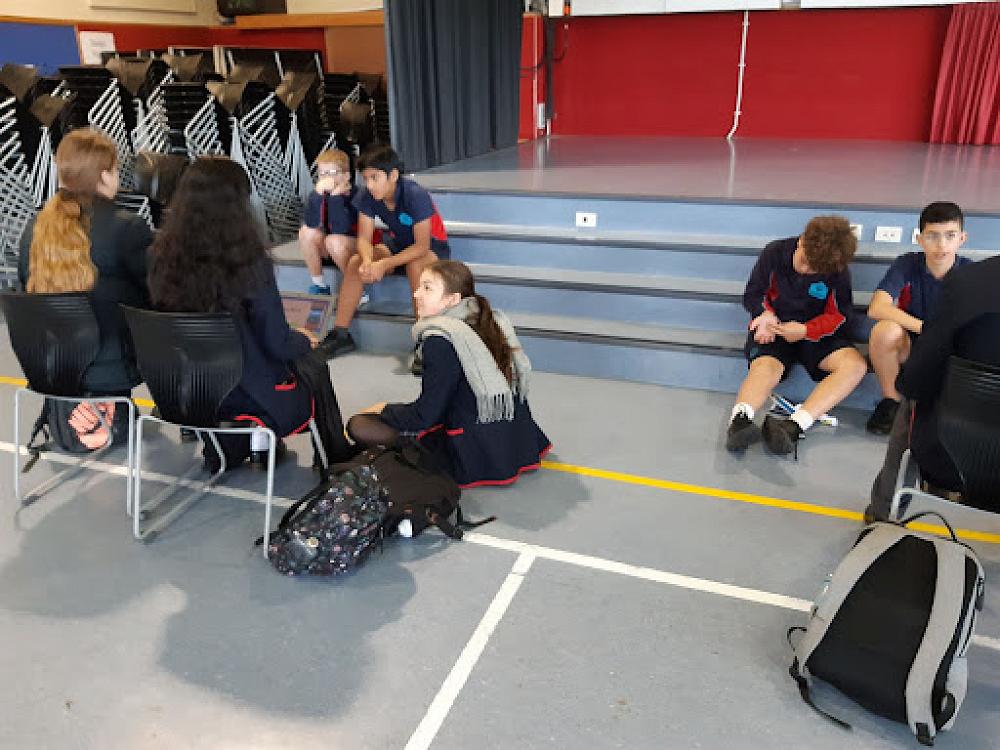
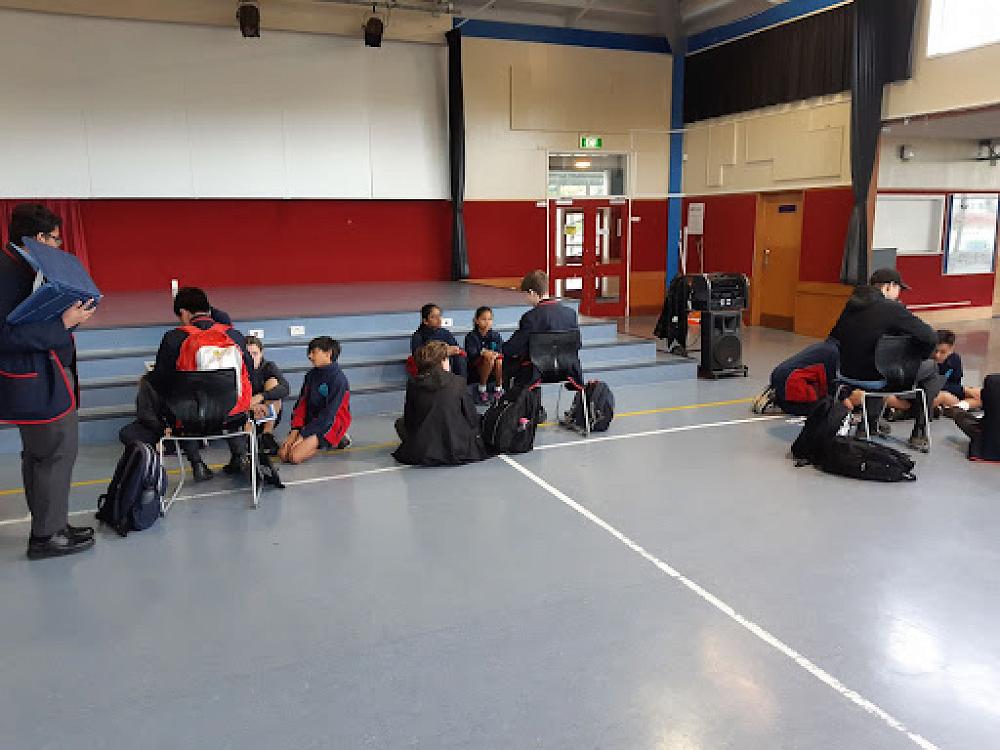
The first step in the playtesting process is the Meet & Greet. At the end of Term 2, all Intermediate playtesters got into groups of 3-4 and spread ourselves around our school hall. The game-makers from the college came to each group and pitched their game idea. A game pitch included telling us about the game; how to play, the backstory, their motivation, the objective and characters. The College students showed us concept photos and screenshots of what they had done so far. They asked us for our feedback and thoughts for different ideas in the game and whether we thought that we would enjoy their game. We saw lots of different ideas for games.
In weeks 1, 5 and 7 of Term 3. We walked over to the college Digital technology classrooms where Mr Sumner and the College game-makers were waiting. Each of the College game-makers had a green card. If they were ready for a pair of playtesters they would raise their card and we would go over to them and play their game! They would then ask us for feedback or if we had found any bugs.
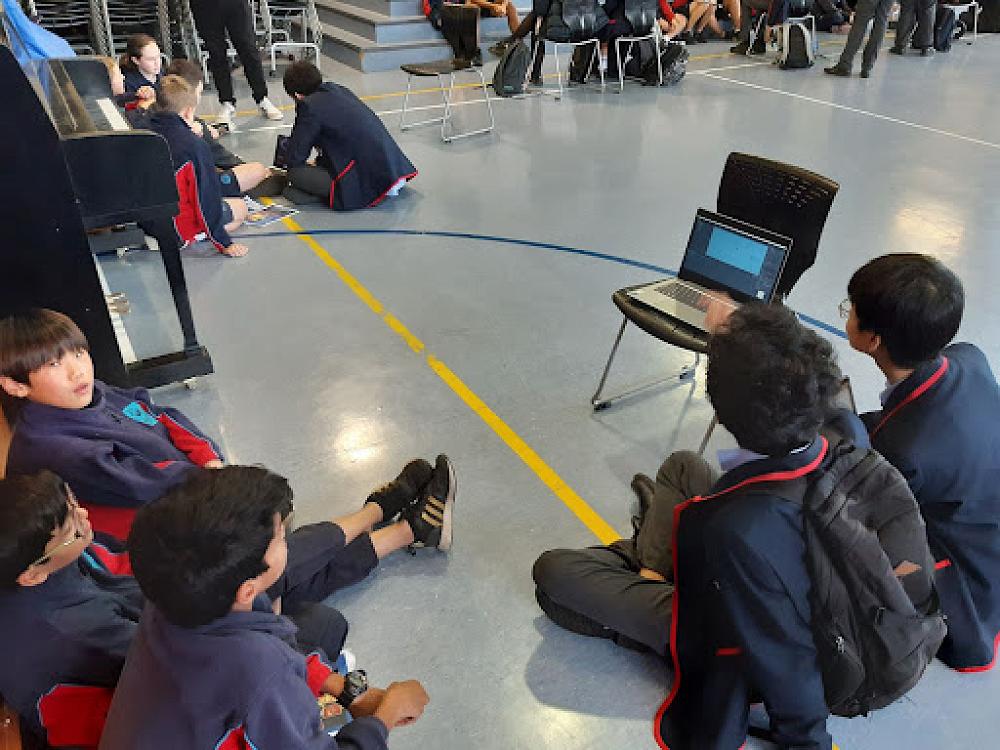
The College game-makers would write our feedback down, others would remember it, and many had a Google Form for us to fill out. At College it is important to collect evidence of the feedback to develop the game further. The quality of this evidence could be the difference between achieving Merit or Excellence. Some of the questions we had to answer were; How fun was it? Was it too easy, too hard, or just right? Would you play this game again? How do you think this game could be improved? Two of our personal favourites were Cherry Run and Clan of the Purple Heart.
So, you might be thinking, is this educational or are they just wasting time? The answer is yes, Yes it is educational and also very helpful for the College. Game testing is helping us work on our oral feedback skills and helping us learn to provide a useful critique. It is helping the College a lot because we are telling them how they can iterate their ideas and make informed changes.
As well as being educational, playtesting is lots of fun. It is cool to see the games progress. Each time you get to experience exciting things being added. You feel part of their games and, let’s face it, you’re playing games and learning while you do it. Playtesting is a really cool, exciting experience that we are lucky to have been apart of. We both hope that the College will continue to offer Playtesting for years to come.