Health, PE and Wellbeing
He oranga ngākau, he pikinga waiora.
Positive feelings in your heart will raise your sense of self-worth
In health and physical education, the focus is on the well-being of the students themselves, of other people, and of society, through learning in health-related and movement contexts.
Four underlying and interdependent concepts are at the heart of this learning area:
· Hauora – a Māori philosophy of well-being that includes the dimensions taha wairua, (spiritual health) taha hinengaro (mental health), taha tinana (physical health), and taha whānau (family health), each one influencing and supporting the others.
· Attitudes and values – a positive, responsible attitude on the part of students to their own well-being; respect, care, and concern for other people and the environment; and a sense of social justice.
· The socio-ecological perspective – a way of viewing and understanding the interrelationships that exist between the individual, others, and society.
· Health promotion – a process that helps to develop and maintain supportive physical and emotional environments and that involves students in personal and collective action.
Through learning and by accepting challenges in health-related and movement contexts, students reflect on the nature of well-being and how to promote it. As they develop resilience and a sense of personal and social responsibility, they are increasingly able to take responsibility for themselves and contribute to the well-being of those around them, of their communities, of their environments (including natural environments), and of the wider society.
This learning area makes a significant contribution to the well-being of students beyond the classroom, particularly when it is supported by school policies and procedures and by the actions of all people in the school community.
The learning activities in health and physical education arise from the integration of the four concepts above, the following four strands and their achievement objectives, and seven key areas of learning.
The four strands are:
· Personal health and physical development, in which students develop the knowledge, understandings, skills, and attitudes that they need in order to maintain and enhance their personal well-being and physical development
· Movement concepts and motor skills, in which students develop motor skills, knowledge and understandings about movement, and positive attitudes towards physical activity
· Relationships with other people, in which students develop understandings, skills, and attitudes that enhance their interactions and relationships with others
· Healthy communities and environments, in which students contribute to healthy communities and environments by taking responsible and critical action.
The seven key areas of learning are:
· mental health
· sexuality education
· food and nutrition
· body care and physical safety
· physical activity
· sport studies
· outdoor education.
All seven areas are to be included in teaching and learning programmes at primary, intermediate and secondary levels.
At our school the programmes or activities that support each of these key areas are:
Mental Health – Circle Time, Dance, Drama and Music
Sexuality Education – our Relationship and Sexuality Education Programme in term 3
Food and Nutrition – our Food Technology curriculum
Body Care and Physical Safety – our Health Education Programme
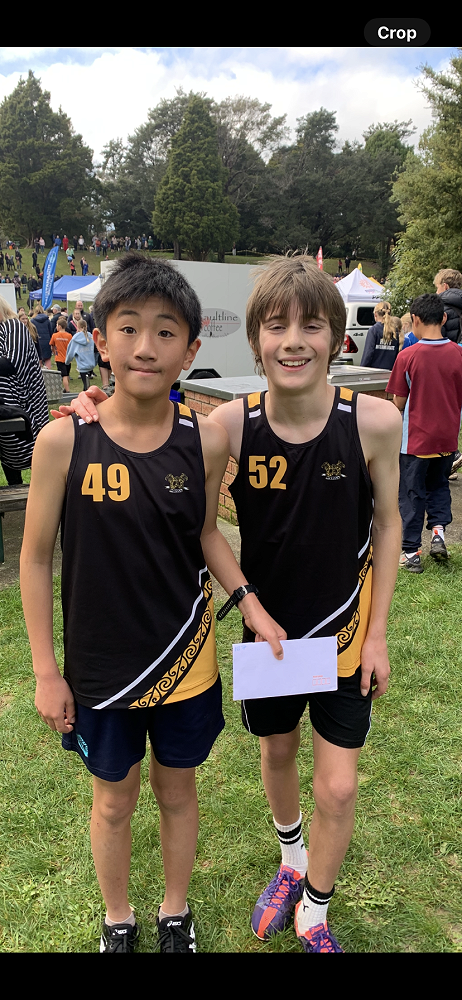
Physical Activity – Daily Fitness, Weekly Sport, Cross Country, Lunchtime events, Athletics, sports teams, Inter-Intermediate sports events, Halberg programme – Adaptive Sports
Sports Studies – Running Club, Competition sport practices, safe warm-ups, anatomy studies
Outdoor Education – EOTC trips and events