FASD - 100% preventable
The Ministry of Health believes that about half of all pregnancies in New Zealand are exposed to alcohol, and around 1 in 10 pregnancies will be exposed at high risk levels.
What is FASD?
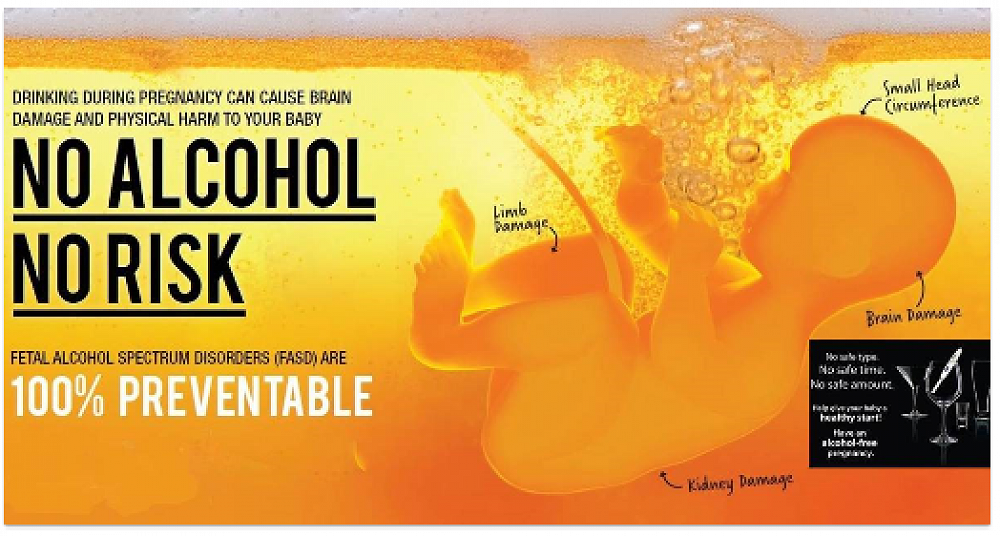
Fetal Alcohol Spectrum Disorder (FASD) is a lifelong condition caused by alcohol exposure during pregnancy. There is no safe amount, no safe type and no safe time to drink alcohol while pregnant.
Alcohol disrupts normal brain development, causing permanent brain injury and affecting physical growth, learning abilities, and behaviour.
FASD is often invisible. While some people with FASD have distinctive facial features, many do not. The effects may go unrecognised until a child starts school, struggles with learning, or exhibits behavioral challenges.
Common effects of FASD:
✔️ Distinctive facial features – small head, flat face, narrow eye openings.
✔️ Abnormal growth – smaller than other children of the same age.
✔️ Intellectual, learning, and behavioural difficulties.
✔️ Birth defects, including heart and organ abnormalities.
✔️ Feeding and bonding difficulties as a newborn.
At least 1% of babies born in New Zealand have FASD, but some research suggests the number could be more than 5%. That means that more than 3,000 babies each year may be affected.
Common Myths About Alcohol and Pregnancy
Doesn’t the placenta protect the baby from alcohol?
No. Alcohol passes directly through the placenta, reaching the baby’s bloodstream at the same concentration as the mother’s.
Does a small alcoholic drink really matter?
Yes. There is no known safe level of alcohol during pregnancy. Even small amounts can disrupt organ development, affecting the baby’s brain, heart, and other critical systems.
Alcohol consumption during pregnancy is also linked to:
Miscarriage
Stillbirth
Premature birth
Low birth weight
What about just a beer?
All alcohol is harmful.The type of drink doesn’t matter, only the alcohol content. No alcohol is safe to drink during pregancy.
Isn’t it just binge drinking that’s harmful?
No. While frequent heavy drinking increases the risk, even low levels of alcohol consumption have been linked to negative effects on a baby’s development.
Isn’t alcohol only risky in the first trimester?
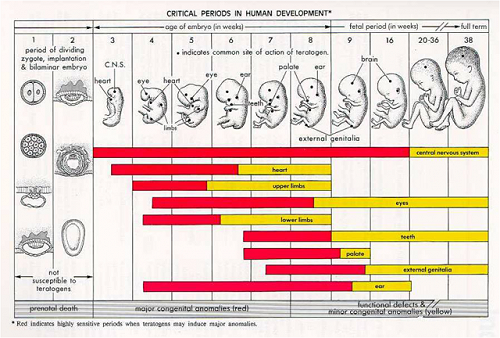
No. While the first three months are the most critical, the baby’s brain and central nervous system continue developing throughout the entire pregnancy. Any alcohol exposure at any stage can cause harm.
What if I’ve just found out I’m pregnant?
Stop drinking immediately. It’s never too late to reduce the risk. Quitting now prevents further harm to your baby. If you’re concerned, speak to your doctor or midwife for guidance.
Does FASD Improve Over Time?
No. FASD is a lifelong condition. Alcohol permanently alters how the brain and other organs develop.
Long-term implications of FASD may include:
🔹 Mental health issues
🔹 Difficulty finding and holding down employment.
🔹 Trouble managing daily responsibilities.
🔹 Involvement with the legal system.
🔹 Inappropriate social or sexual behaviour.
Because FASD is often misunderstood or undiagnosed, individuals may struggle to get the right support and services. Prevention is the best solution.
Breastfeeding and alcohol
It is best to avoid alcohol entirely while breastfeeding, particularly during the first month while milk supply is being established.
Alcohol levels peak in breast milk about 30 minutes after drinking. The exact impact varies based on factors like weight, metabolism, and food intake.
If you choose to drink while breastfeeding:
1️⃣ Express and store alcohol-free milk beforehand.
2️⃣ Wait at least 2 hours per standard drink before breastfeeding again.
The Feed Safe answers the most common questions about alcohol and breastfeeding. Available on iOS and android.
Gallery