
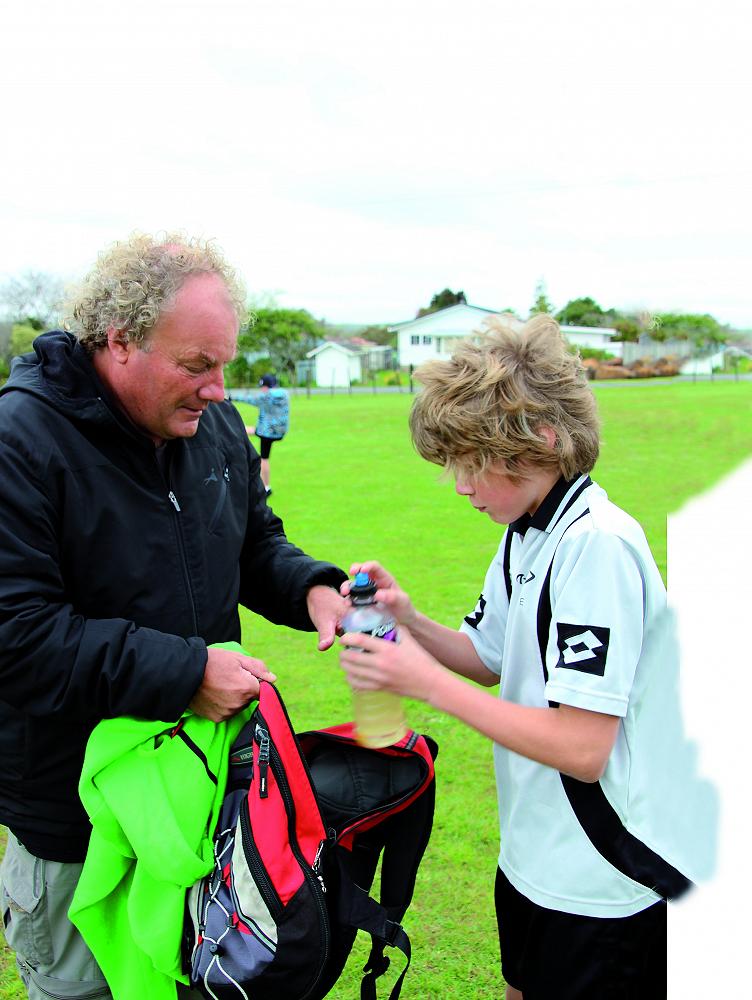
Parenting teens: Relationships with your teenager
In order for your kids to respect you, you must be a person worth respecting.
While it’s natural to want your teen to love and approve of you, parenting isn’t about popularity. Being a strong, supportive parent means making decisions that may not always be well-received but are ultimately in your child’s best interest.
The good news is that setting boundaries and upholding responsibilities won’t damage your relationship with your teen—as long as they know they are loved, valued, and respected.
Why parenting isn’t the same as friendship
Teenagers don’t want their parents to act, talk or dress like them. Despite the eye-rolls, grunts, and occasional attitude, they do want you to be their parent. They crave structure, boundaries, and security, even if they won’t admit it.
Parents provide:
✔️ Guidance through tough decisions
✔️ A stable home environment
✔️ Boundaries that ensure safety and responsibility
✔️ Emotional support through challenges
Teenagers who view their parents as authority figures and caregivers tend to develop closer relationships with them in adulthood.
Sometimes you have to make decisions that will not be popular with your teenager, but are in their best interest. The good news is that no amount of parenting will destroy your relationship with them so long as they know that they are loved and respected.
Relating to your teenager, based on your own experiences, can be a good way to work through challenging situations, but you should never lose your parent status.
“It just seemed like Michael hated us all the time. At times we wondered what happened to the lovely little guy we used to know. But we hung in there and didn’t give up our job as parents. After a couple of years, he grew out of it – taking up playing rugby, being more respectful to us, and becoming a popular mate with his friends.”
Strategy: Let your teenager know that they can trust you
It’s normal for a teenager to, at some point, not particularly like mum and dad. If your teen doesn’t like you, and disagrees with you at every opportunity, chances are you are simply doing your job as a parent in raising your kids.
It’s also normal for teens to shift their emotional attachment from you to their friends. This is part of growing up but it is still important to maintain a strong family connection by providing a safe base for them to return to.
Trust and respect are a two way street. If you behave in a manner that a parent should - nurturing, caring, taking an interest and putting in place boundaries - then eventually when your kids have a problem, they will come to you.
When they do, it is vital that you show them respect and trust. Try to hear them out and not be judgemental. Put yourself in their shoes and then, using your years of wisdom, give them some practical advice. They may just need to offload – so listen, hear and let them know that you are a safe place.
Don’t interfere or break their confidence – respect your teen and show that you can be trusted.
Acknowledgement and copyright notice
No Safe Limit is very grateful to Northland District Health Board (DHB) for permission to reproduce this content from the NDHB-Whanau-Pack-ED2-v2.pdf (northlanddhb.org.nz). Northland DHB own the copyright in this material and it must not be copied or reproduced except as expressly permitted by Northland DHB.