
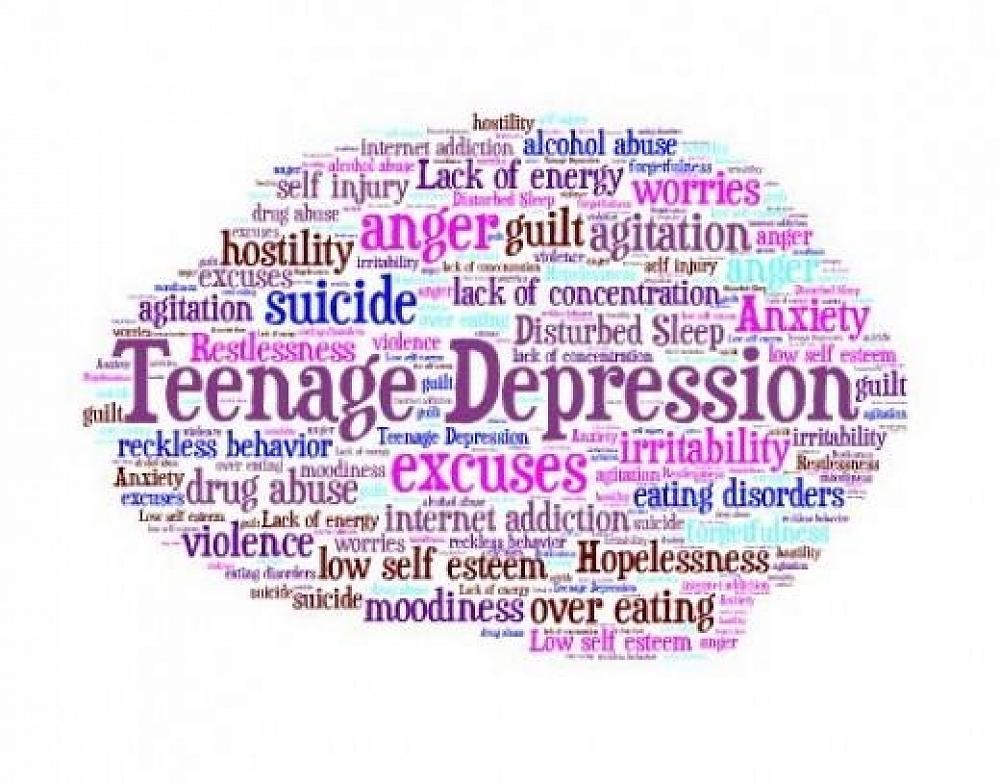
Depression and Alcohol use in Teenagers
Teenagers struggling with depression often turn to alcohol as a way to cope with difficult emotions. While it may seem like temporary relief, alcohol can actually make depression worse, leading to a cycle that is difficult to break.
Depression is a serious mental health condition that goes beyond temporary sadness. It involves persistent feelings of deep unhappiness, hopelessness, and a lack of motivation. It can impact a teenager’s behavior, academic performance, physical health, and ability to manage daily life.
One in five teens experiences serious depression before the age of 18. Teens are especially vulnerable when faced with emotional challenges they feel are beyond their control.
Common causes of depression in teenagers
✔️ Academic pressure
✔️ Relationship problems (family, friends, or romantic relationships)
✔️ Social anxiety or peer pressure
✔️ Parental separation or divorce
✔️ Traumatic life events
✔️ Physical or emotional neglect
✔️ Low self-esteem and self-worth
✔️ Feelings of helplessness or lack of control
✔️ Family history of depression
The link between depression and alcohol use
Teens who struggle with depression are twice as likely to start drinking, and those who do are at greater risk of developing long-term alcohol-related issues. Many use alcohol to temporarily numb emotional pain, reduce social anxiety, or escape overwhelming feelings. Because alcohol is a depressant, it can make things worse.
How alcohol can worsen depression
🔸 Increases feelings of sadness and hopelessness
🔸 Impairs judgment and decision-making
🔸 Disrupts sleep patterns, making depression harder to manage
🔸 Reduces motivation to seek help or engage in positive coping strategies
🔸 Raises the risk of self-harm or risky behaviours.
Because of this strong connection, it is common for young people seeking professional help to be diagnosed with both depression and alcohol dependency at the same time.
What you can do
If you suspect your teen is struggling with depression and using alcohol to cope, seeking professional support is crucial. A mental health professional can assess their needs and develop a personalised approach, which may include:
✔️ Self-help strategies such as exercise, journaling, or mindfulness techniques
✔️ A treatment plan with a GP to monitor and manage their mental health
✔️ Counseling or therapy to address underlying emotional struggles
Getting help
If you are concerned about your teen’s mental health and alcohol use, don’t wait—reach out for support. Please visit our contact pages for services that can help.