Restorative Practice at Oaklands Te Kura o Ōwaka
What does this mean? We use the Restorative Model to work with students to support them with their behaviour and making good choices. This is an international model that is widely used in schools in New Zealand for children to solve problems and build relationships when things go wrong.
Restorative practice is a relational approach to
school life grounded in beliefs about equality, dignity,
mana and the potential of all people. The PB4L (Positive Behaviour for Learning) RP (Restorative Practice) model focuses on building and maintaining positive
relationships across the school community, and offers
school staff best-practice tools and techniques to
restore relationships when things go wrong.
PB4L is built on the foundation
that positive behaviour can be learnt, and that
environments can be changed to improve behaviour, to support effective teaching and learning. It also
reflects the belief that schools play a major role in
creating safe and healthy societies.
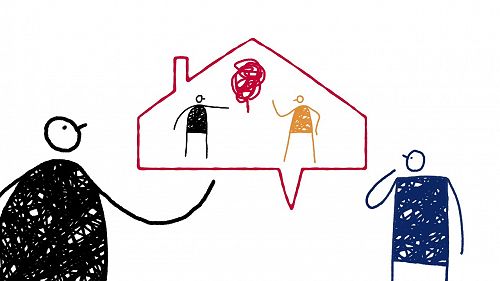
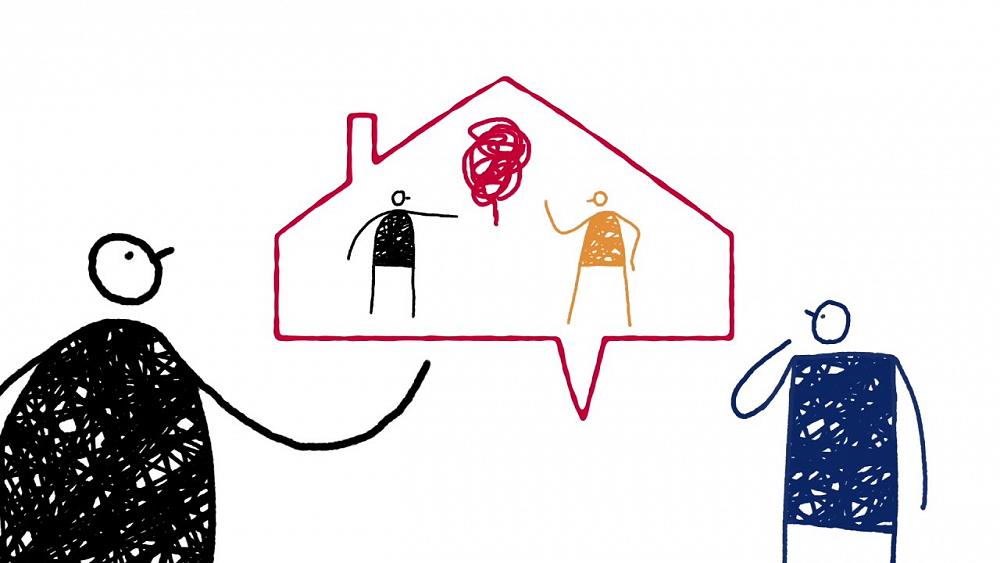
The RP approach to problem solving recognises that misconduct harms people and relationships and that those involved in the problem also need to be involved in finding a solution.
Fostering positive, respectful relationships with
young people can have a profound impact on
their overall behaviour, learning, and achievement
outcomes. By viewing ‘problems as problems’ rather
than ‘people as problems’, people can talk with
each other in a respectful manner, and talk with
themselves in ways that support their responsibility
and their accountability (White, 1989).
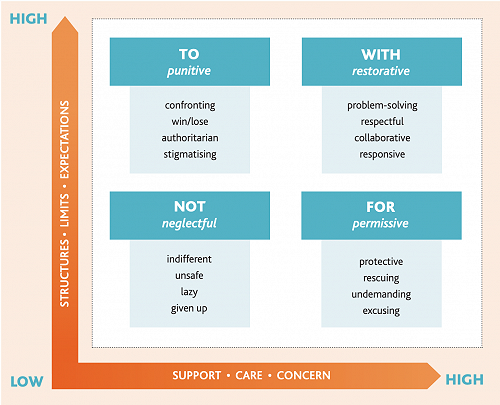
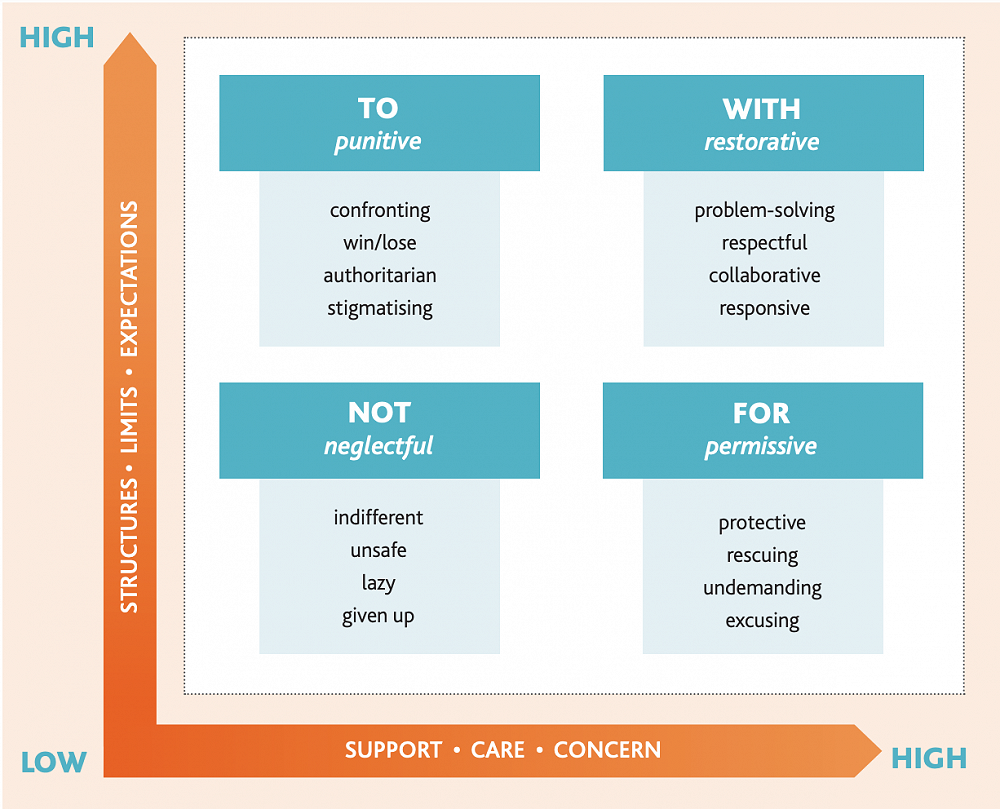
Restorative practice has been described as doing
things ‘with’ people rather than ‘to’ or ‘for’ them. The
idea is that if people are part of a process, they are
happier, more cooperative and productive, and more
likely to make permanent positive changes.
Gallery