Zones of Regulation
This term we have introduced a social skills programme called the Zones of Regulation. All the hubs have been teaching this to the students who have been engaged with the learning.
Leah Kuypers created The Zones of Regulation in 2011.
The Zone Colors
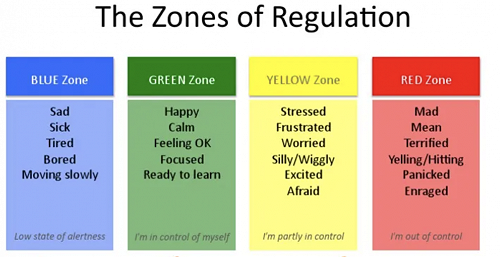
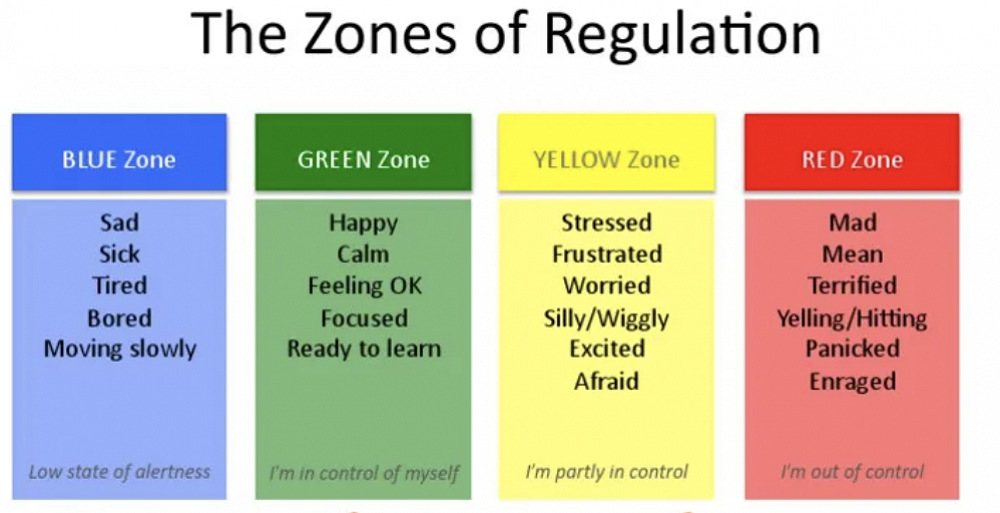
The Zones of Regulation uses four colors to help children self-identify how they’re feeling and categorise it based on colour.
The curriculum also helps children better understand their emotions, sensory needs, and thinking patterns. They learn different strategies to help them cope and manage their emotions based on which color zone they’re in.
Additionally, the Zones of Regulation helps students recognise their own triggers, learn to read facial expressions, develop problem-solving skills, and become more attuned to how their actions affect other people (Kuypers, L.M, 2011).
The Green Zone
The green zone is used to describe when you’re in a calm state of alertness.
Being in the green zone means you are calm, focused, happy, or ready to learn. This is predominantly the state you want your child to be in.
It’s also the state most needed in the classroom in order to learn.
The Yellow Zone
The yellow zone describes when you have a heightened sense of alertness. This isn’t always a bad thing, and you typically still have some control when you’re in the yellow zone.
Being in the yellow means you may feel frustrated, anxious or nervous. But, it could also mean you’re feeling excited, silly, or hyper – which is okay in the right situations.
The Red Zone
The red zone describes an extremely heightened state of intense emotions. When a person reaches the red zone, they’re no longer about to control their emotions or reactions.
This is the zone kids are in during meltdowns.
Being in the red zone means you’re feeling anger, rage, terror, or complete devastation and feel out of control.
The Blue Zone
The blue zone, on the other hand, is used when a person is feeling low states of alertness or arousal.
When you’re in the blue zone you may be feeling down – sad, sick, tired, or bored. You’re still in control, as you are in the yellow zone, but with low energy emotions.
Gallery