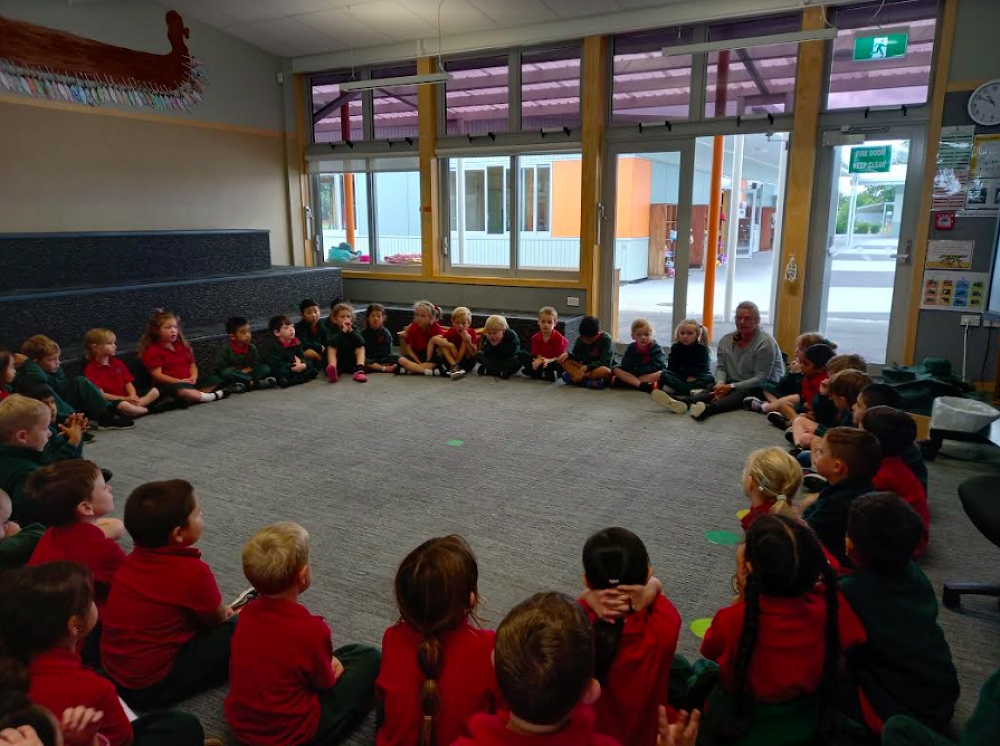
Restorative Circles - What are they and what do they look like?
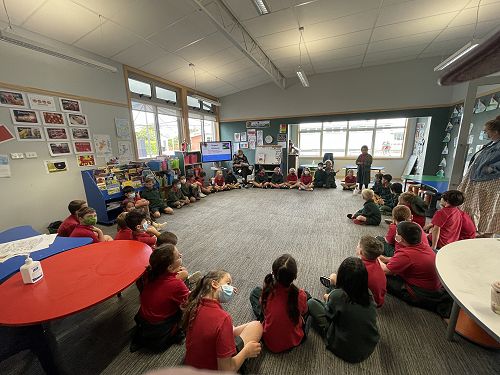
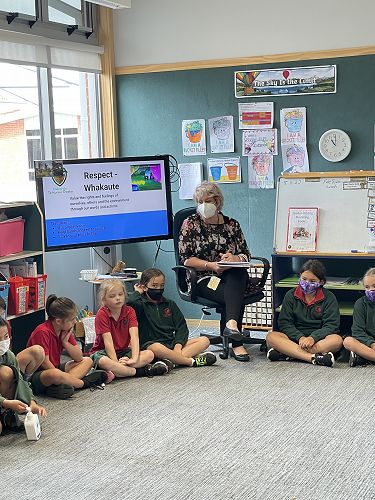
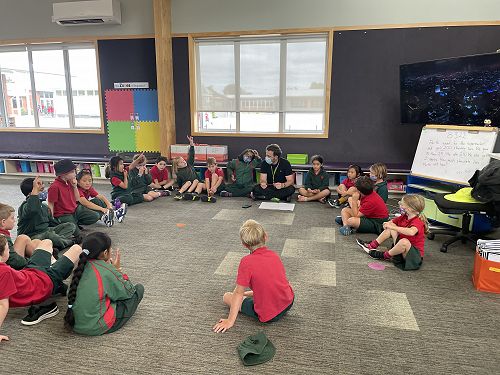
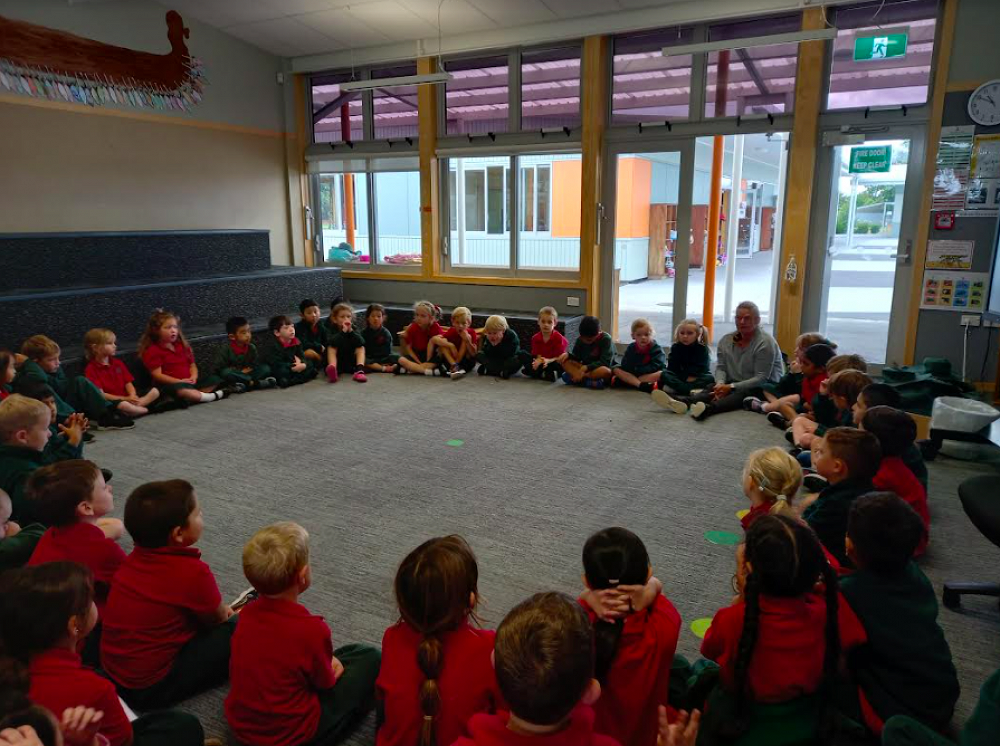
Our Restorative Circle Time is a pedagogical strategy aimed at building relationships and problem solving every day issues that may arise in the classroom and at break times.
This year we have introduced school-wide Restorative Circle Time that takes place after morning tea break. This is a time when students form a circle and learn about a social theme that is relevant to their school life. This often is taught in conjunction with the CARE values.
The aim for restorative circles are
- To develop a caring, supportive and empathic environment;
- Create a respectful ethos
- Promote positive relationships
- Develop self-esteem and self-confidence
- Promote social and emotional development.
The format of Circle Time is often broken into three main steps.
- Introduction
The Introduction explains the purpose of the circle, what the focus will be and recapping the circle time rules that the members of the circle time have agreed upon.
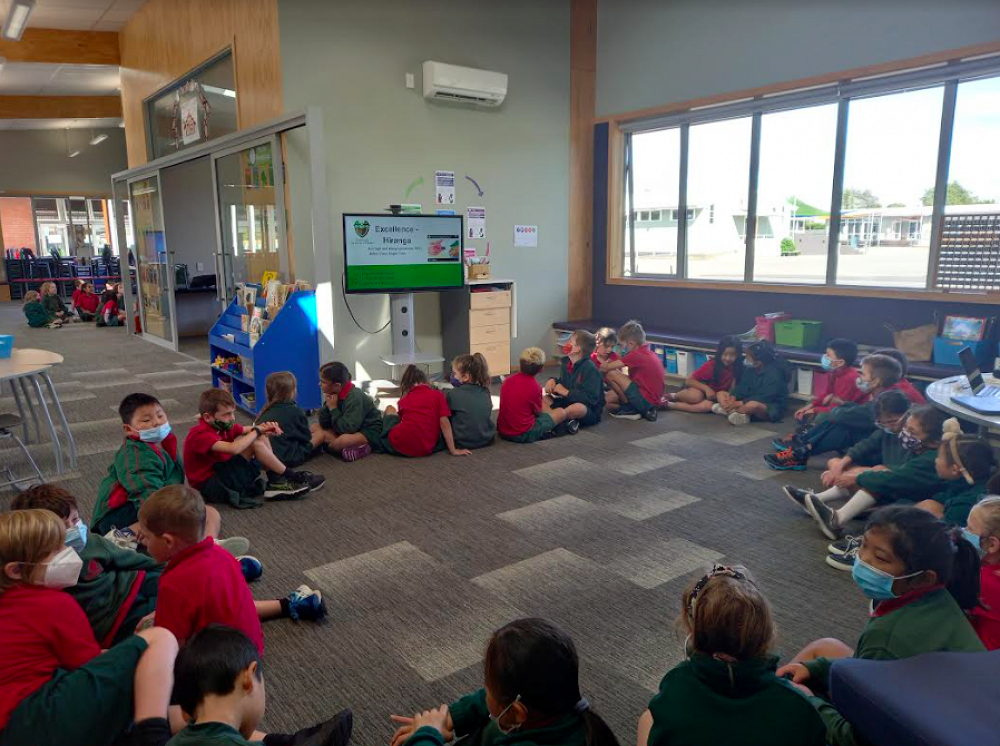
2. Lesson Content
The lesson content is concerned with the intended learning outcomes for the class. Teachers notice themes that pop up e.g. showing kindness, taking turns, including others and plan circle time activities that address these issues and support students. This may include opportunities for sharing, discussion, role plays and unpacking different scenarios based on what is relevant. It could be explicit teaching or recapping of one of our social and emotional programmes e.g. The Zones of Regulation and Pause Breathe Smile. It could also be reading a relevant story or watching a clip that conveys the desired message.
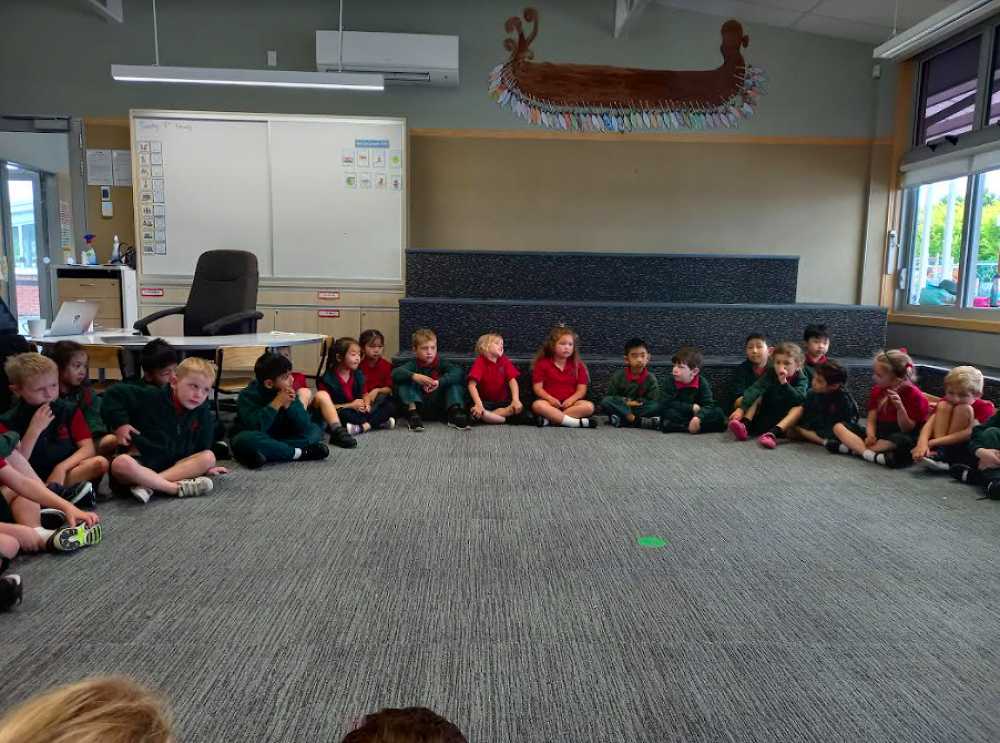
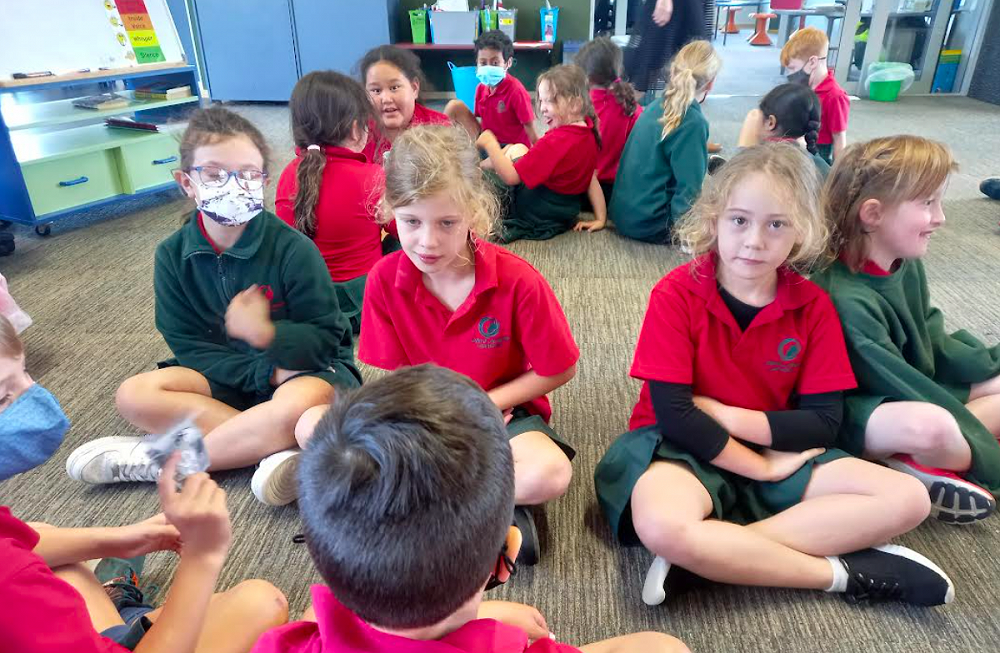
3. Closing Circle
This is the last part of our restorative circles. This usually involves a reflection of what was learned and a discussion about how our students can implement what they have learnt into their everyday school life.
Gallery