Problem Solving and Maths Eyes
Learning strategies to solve real world problems and looking at the world with 'maths eyes.'
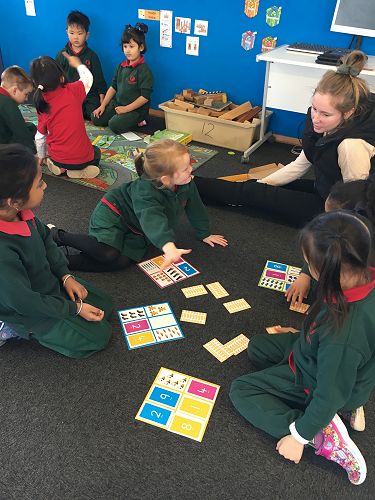
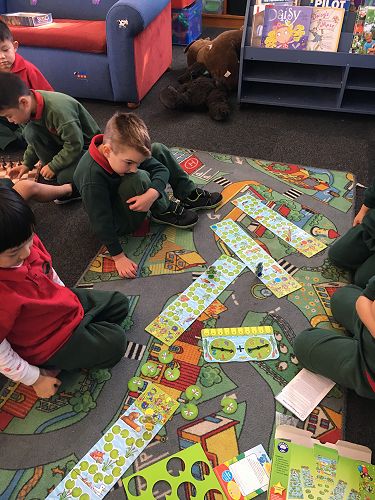
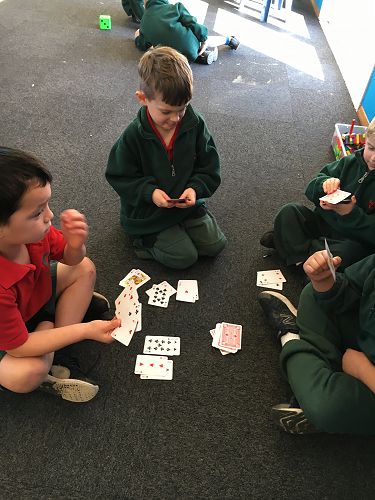
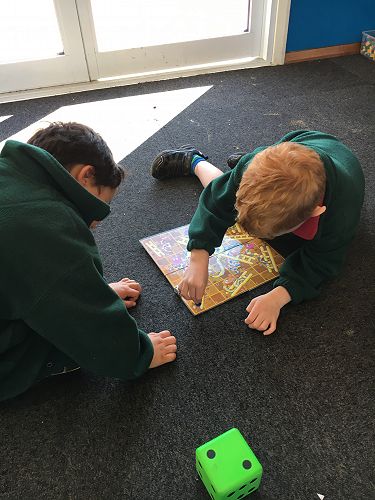
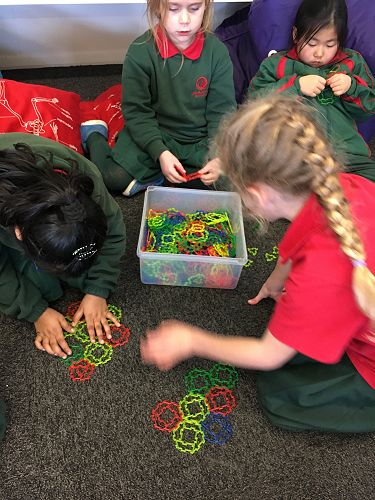
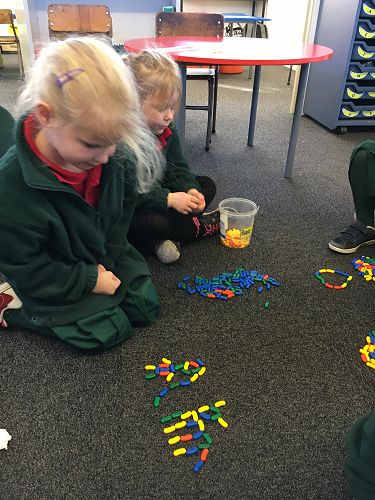
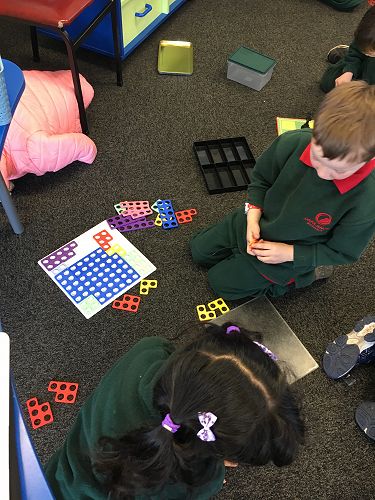
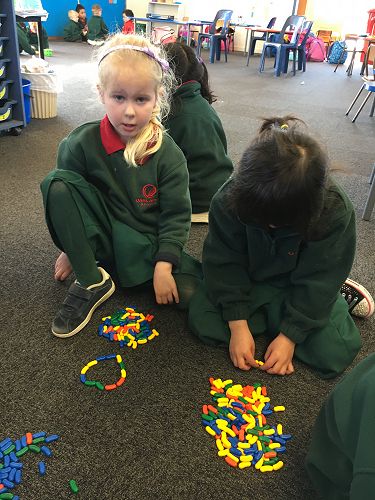
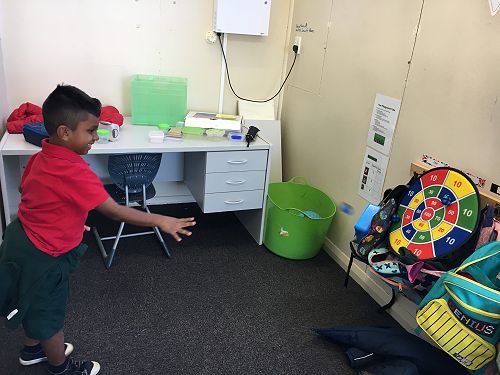
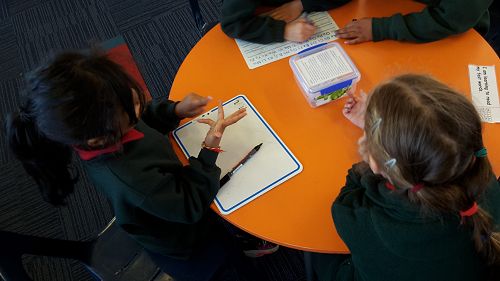
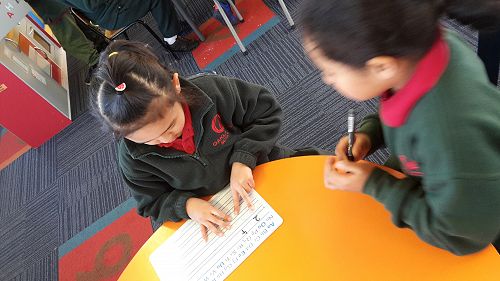
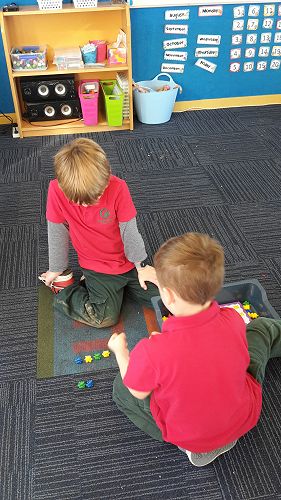
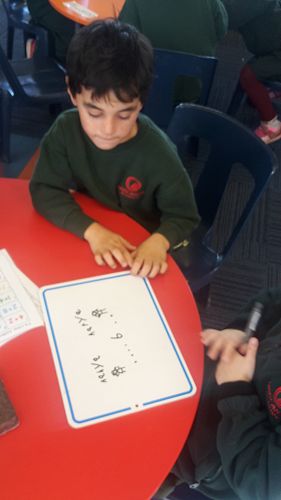
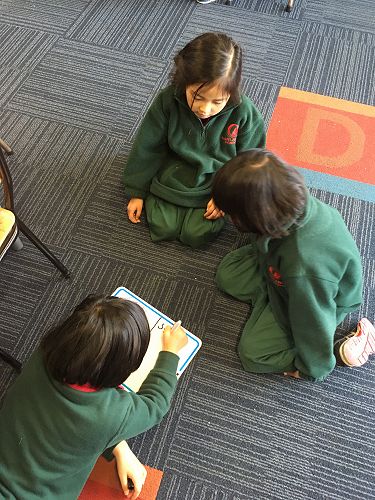
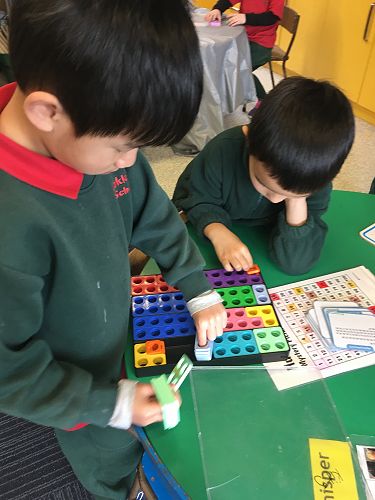
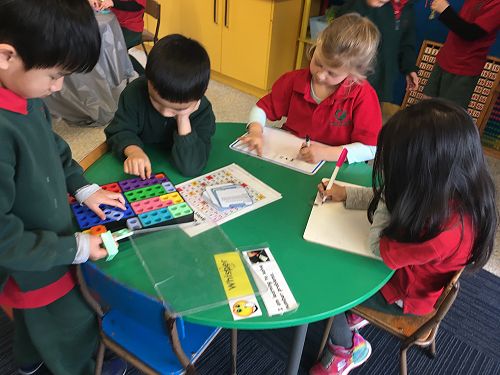
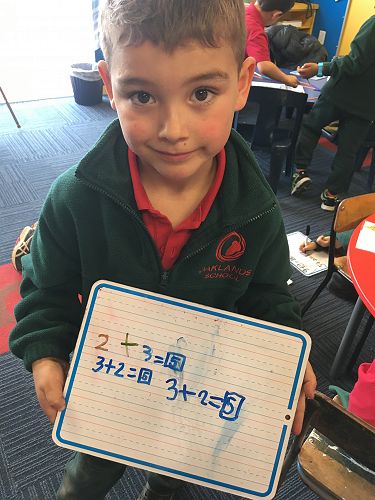
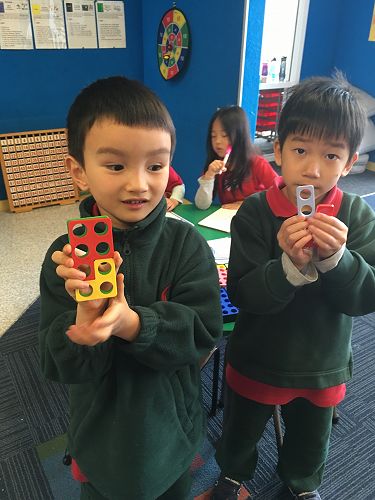
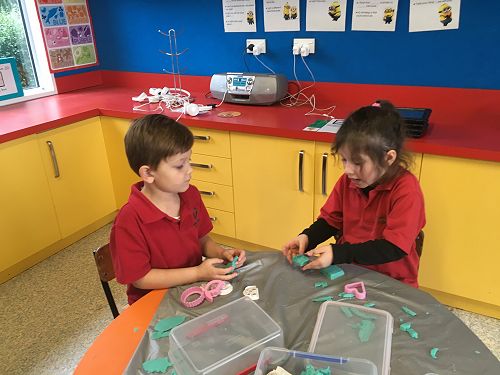
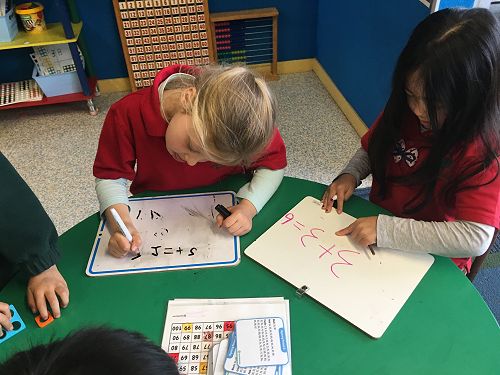
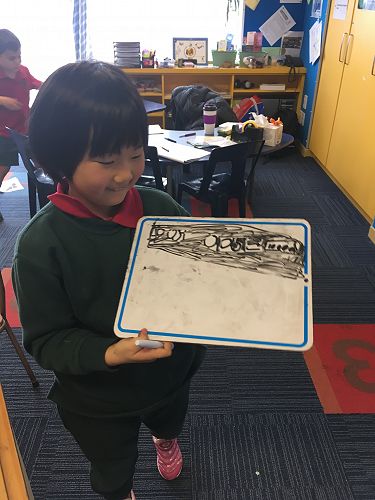
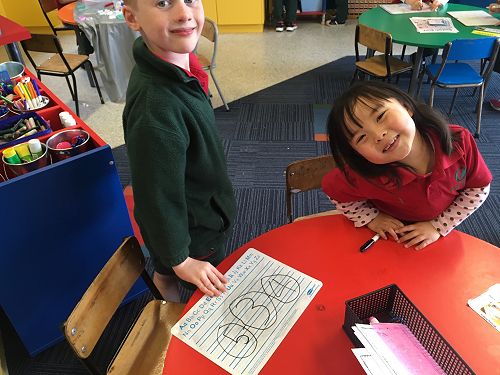
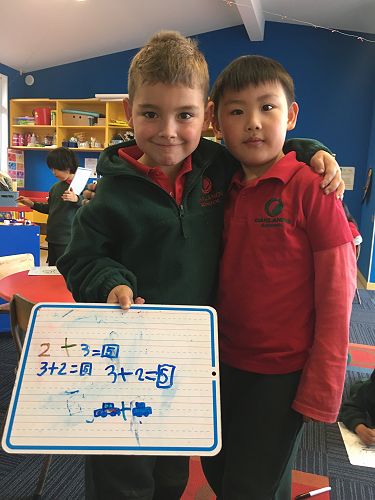
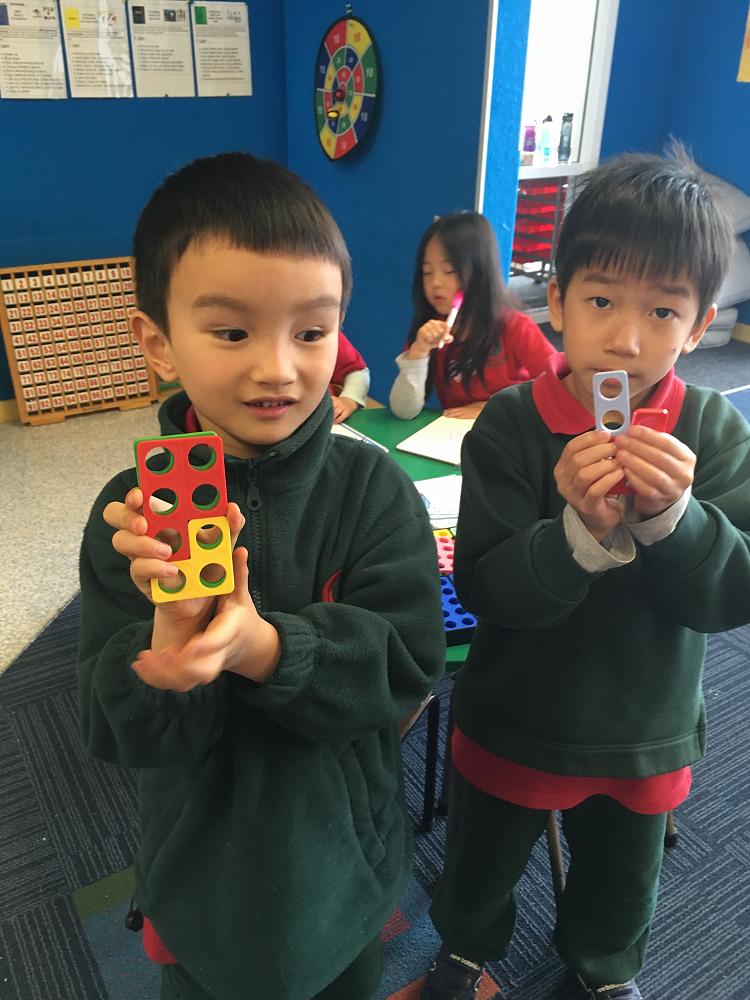
Maths in the Year 1 Hub has taken on a problem solving approach. Children work with a buddy (Maths Mate) to solve a real world problem and they have fun doing it.
There are four steps that you need to go through in solving most mathematical problems. These are:
- understand and explore the problem
- find a strategy
- use the strategy to solve the problem
- look back and reflect on the solution
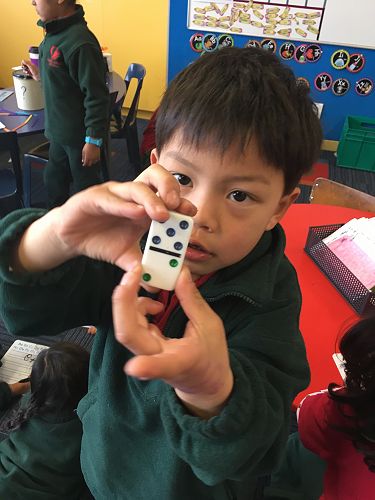
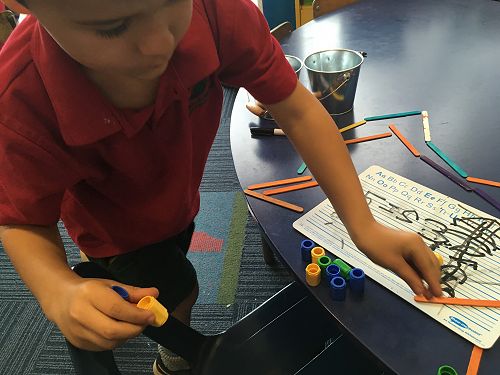
The same problem is used for the week and the children question, formulate and use objects to find the solution.
There are many benefits to teaching problem solving. These include:
- it bases students’ mathematical development on their current knowledge
- it is an interesting and enjoyable way to learn mathematics
- it is a way to learn new mathematics with greater understanding
- it produces positive attitudes towards mathematics
- it makes the student a junior mathematician
- it teaches thinking, flexibility and creativity
- it encourages co-operative skills
- it is a useful way to practice mathematical skills learned by other means
- it is similar to the approach used in other curriculum activities.
Developing mathematical eyes allows individuals to see the different types of mathematics that they are doing everyday. Having “Maths Eyes” also helps people to understand that mathematics is more than the skills and formulae they might associate with their school experience. Furthermore, developing “Maths Eyes” encourages discussion about, and language development around, mathematics.
With maths eyes, children see the mathematics they do every day so mathematics becomes real and meaningful.
Gallery