
Rūnanga gifts Oaklands School a Māori name
In 2006 the schools of southwest Christchurch were presented with a cultural narrative. This formalised a partnership between Oaklands School and Te Taumutu Rūnanga, based at the Ngati Moki Marae.
During planning for the Oaklands School redevelopment, Ministry of Education architects also consulted with manawhenua. Some aspects of the area’s cultural history were woven into plans for the redeveloped school.
As part of this continuing partnership and our redevelopment, Te Taumutu Rūnanga have gifted Oaklands School a Māori name, identified a significant native plant, and shared additional information about our area’s cultural history.
The Maori name Te Taumutu Rūnanga have gifted Oaklands School is: Te Kura o Ōwaka .
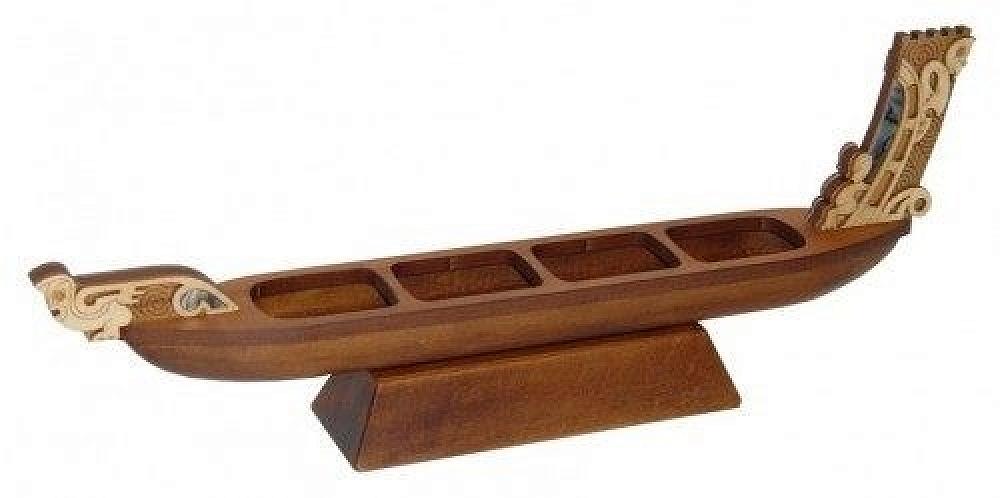
The word Ōwaka refers to the movement of waka. The headwaters where the Heathcote River and the Halswell River (at Knights Stream) met were used for transporting waka between the two bodies of water.
The native plant identified as of significance to Oaklands School is the korokio or corokia cotoneaster. It is a tangled shrub historically in abundance near our school. Its leaves are green and bronze and it has small star-like flowers.
Alongside Oakland School’s existing identity, these aspects will be incorporated into the redevelopment through the naming of buildings, landscaping, and as part of the curriculum.
We would like to thank Te Taumutu Rūnanga for their gifts, their continued partnership, and their commitment to the development of the cultural narrative for our redeveloped school.
More information from Te Taumutu Rūnanga about our gifted name, native plant of significance, and local history.
The area of Owaka Road represents a fundamental link between the ‘headwaters’ of the Heathcote River and the Halswell River at Knights Stream. This area was used for transporting waka between the two water bodies. It is likely then that the word Ōwaka refers to this movement of waka.
Maps of Christchurch city from about the 1850s show evidence of old riverbeds and grass lands in the immediate vicinity of Oaklands School. There is evidence that there was a prevalence of harakeke, grasses, raupō, tūpākihi and ferns. Also, in abundance in the Canterbury landscape at that time was the endemic scrub species korokio or corokia cotoneaster. The korokio is a tangled evergreen shrub that occurs naturally throughout Aotearoa. It grows in lowland hills, lower mountain scrublands, river flats and rocky places. Its leaves are green and bronze and it has small, simple star-like yellow flowers and red, yellow and orange drupes in autumn. It is tolerant of salt-laden winds and impervious to drought, cold temperatures and poor soils. Traditionally korokio was used to lift the tapu from food, to make fishhooks, knives and as fire sticks. It was a rongoā, Māori natural medicine, to treat stomach complaints.
"Te Kura o Ōwaka recognises the story of the land, ecosystem and the importance of water.
Much like the movement of the waka from one waterway to the next, through nurture and learning students will gather together their mātauranga* and carry it with them as they
navigate through the many streams of life.” – Te Taumutu Rūnanga
* mātauranga is the knowledge, comprehension, or understanding of everything visible and invisible existing in the universe.