The Zones of Regulation
At Oaklands Te Kura o Ōwaka we use The Zones of Regulation to identify and use strategies to regulate how we are feeling.
What are the zones?
The Zones of Regulation consist of four colours (green, yellow, blue and red) which each reflect all the different ways we feel and the states of alertness we experience. We use these four zones to identify and explain how our mind and body feels.
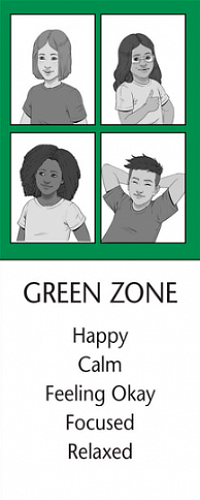
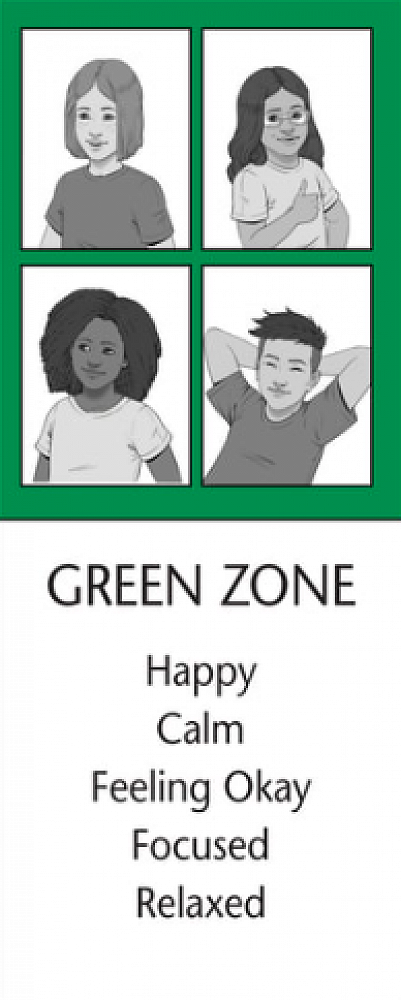
The Green Zone is used to describe a regulated state of alertness. A person may be described as calm, happy, focused, or content when in the Green Zone. This is the Zone students generally need to be in for successful learning and for positive social interactions. Being in the Green Zone shows control.
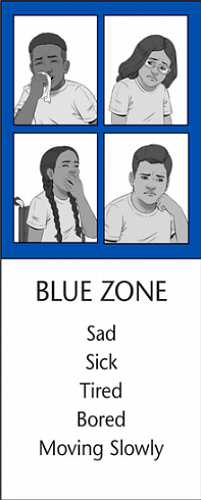
The Blue Zone is used to describe low states of alertness, such as when one feels sad, sick or bored. This is when one's body and/or brain is moving slowly or sluggishly.
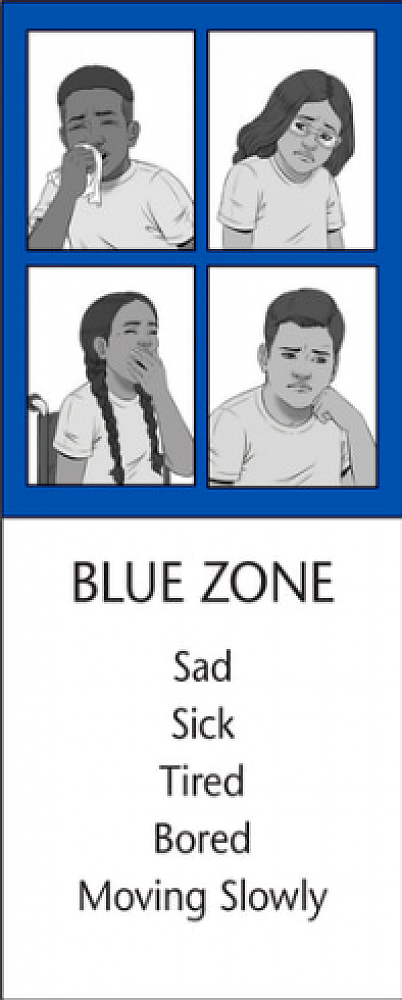
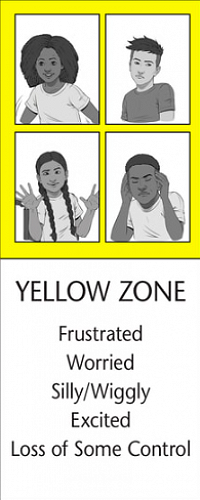
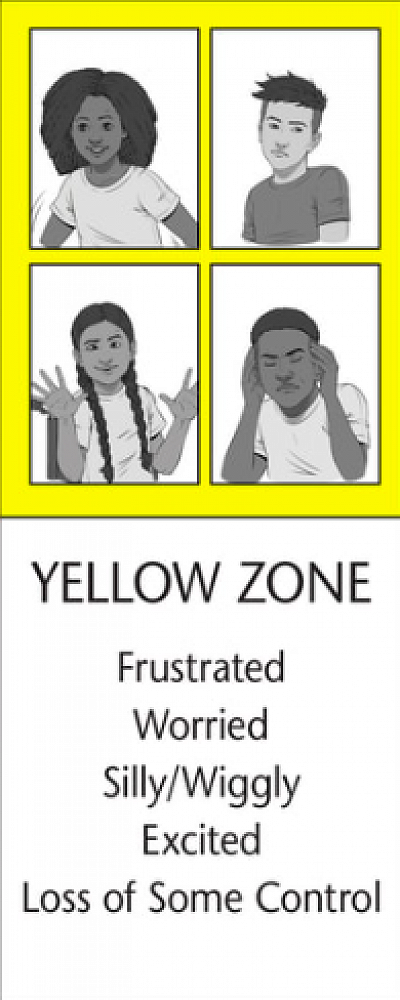
The Yellow Zone is used to describe a heightened state of alertness. A person may be experiencing feelings such as stress, frustration, anxiety, excitement, silliness, nervousness, confusion and other slightly elevated emotions (wiggly, squirmy etc). The Yellow Zone is starting to lose some control.
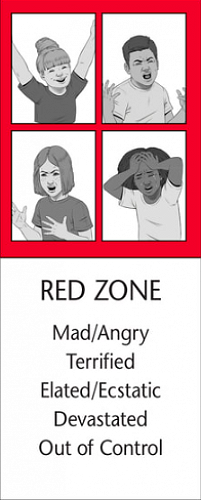
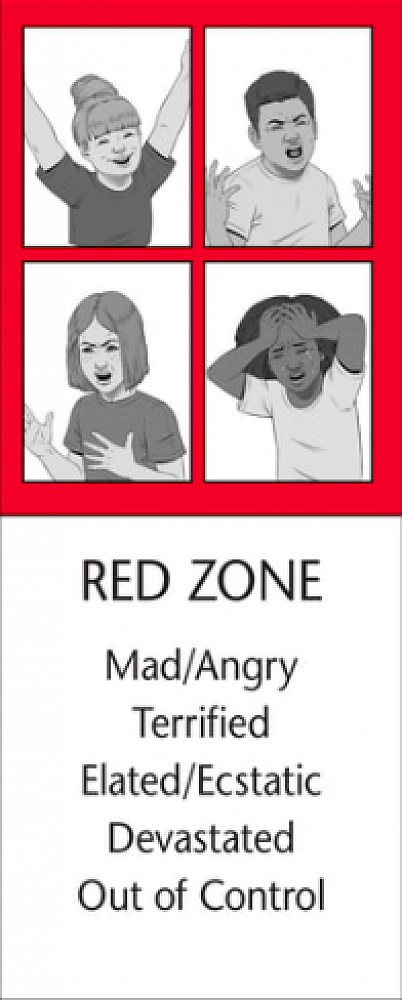
The Red Zone is used to describe an extremely heightened state or very intense feelings. A person may be experiencing anger, panic, terror, devastation or elation when in the Red Zone. The Red Zone can be characterised as being overwhelmed by one's feelings and having a loss of control.
How are the Zones of Regulation used at Oaklands Te Kura o Ōwaka?
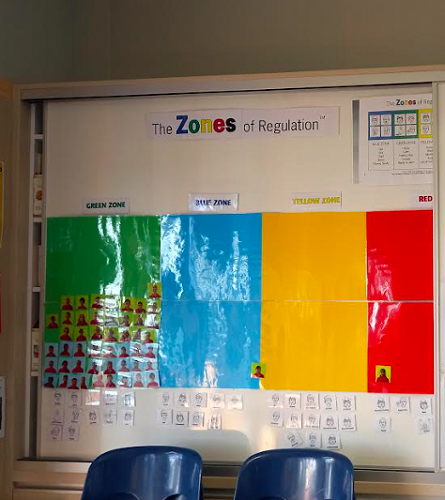
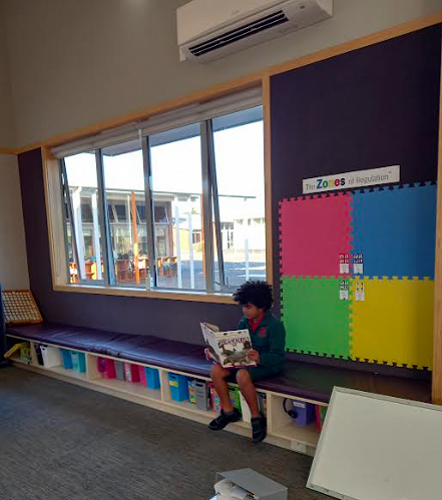
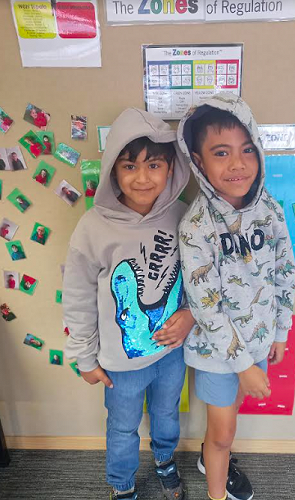
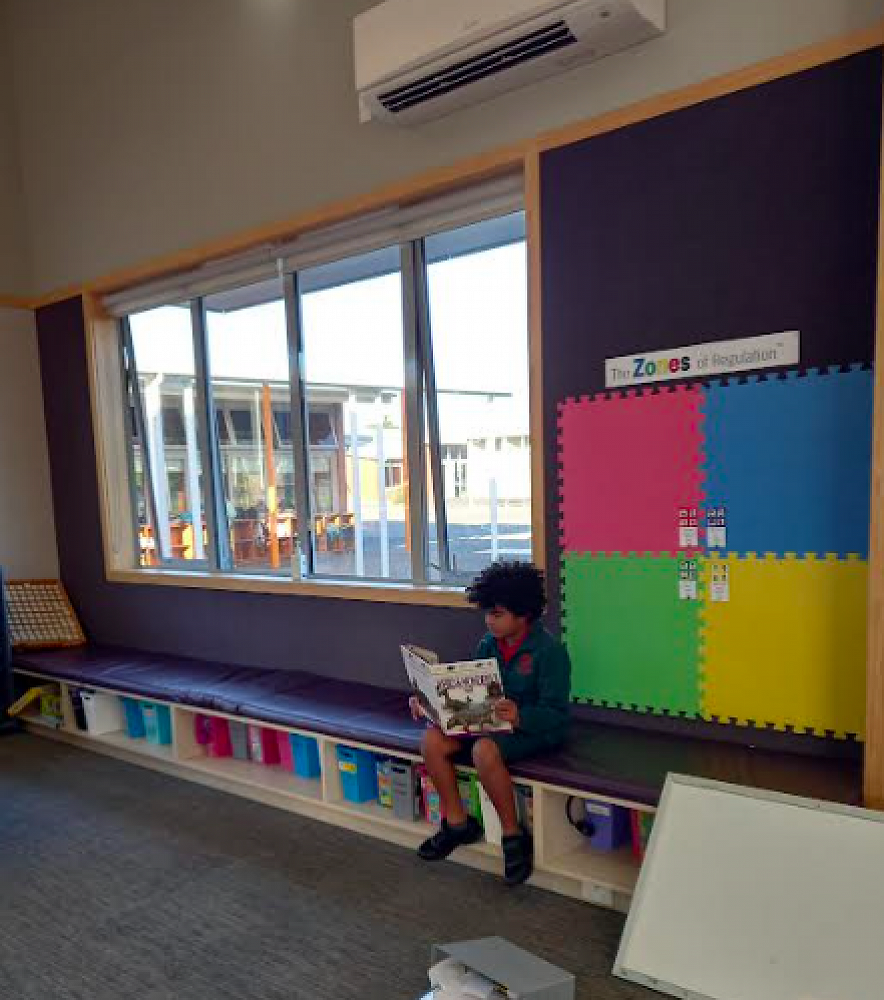
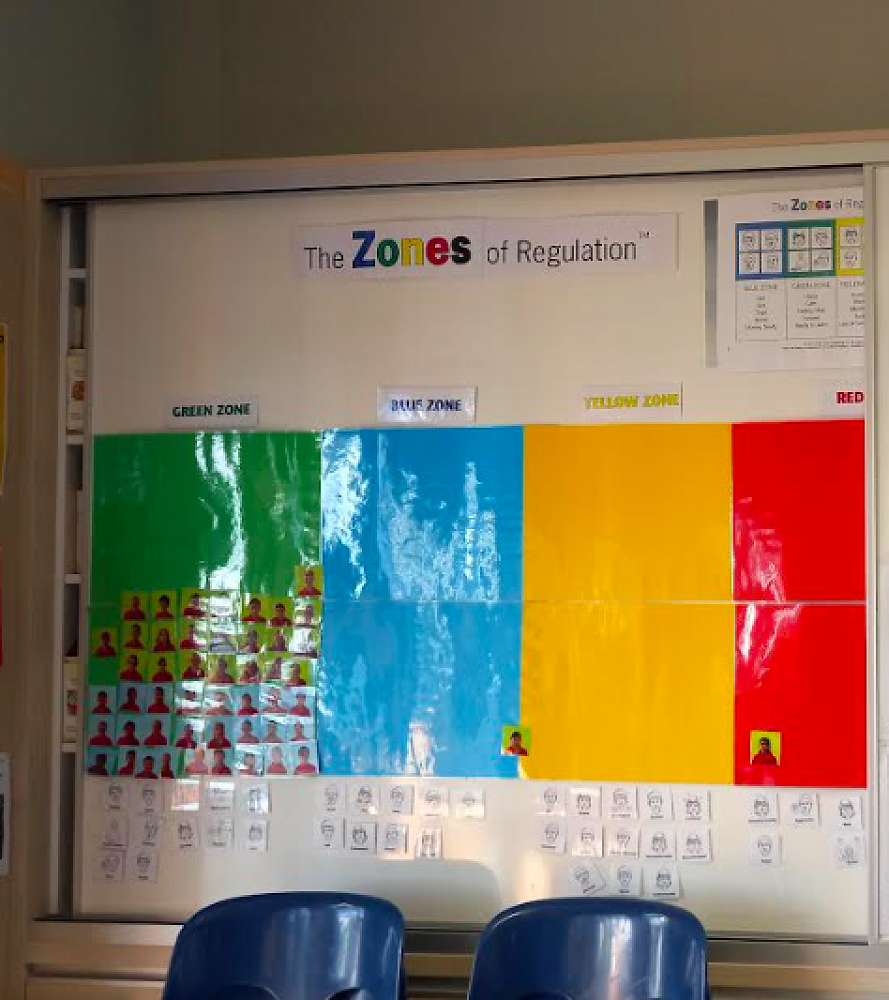
The Zones of Regulation are taught weekly as a whole class and also in smaller groups based on the different needs of students. There is a Zones of Regulation display in each space which students use to check in with themselves, self-reflect and identify how they are feeling.
Teacher's will check in with students to see how our they are feeling and what strategies they can use to help manage what zone they are in. We call these strategies our 'toolbox' as we develop strategies or 'tool's that we can pull out of our 'toolbox' when we need them. This helps build emotional for resilience and their ability to self-regulate how they are feeling when things go wrong.
Gallery