
Flexible Learning Environments
In 2013 the Ministry of Education announced the "Most comprehensive Infrastructure renewal" following the Christchurch earthquakes
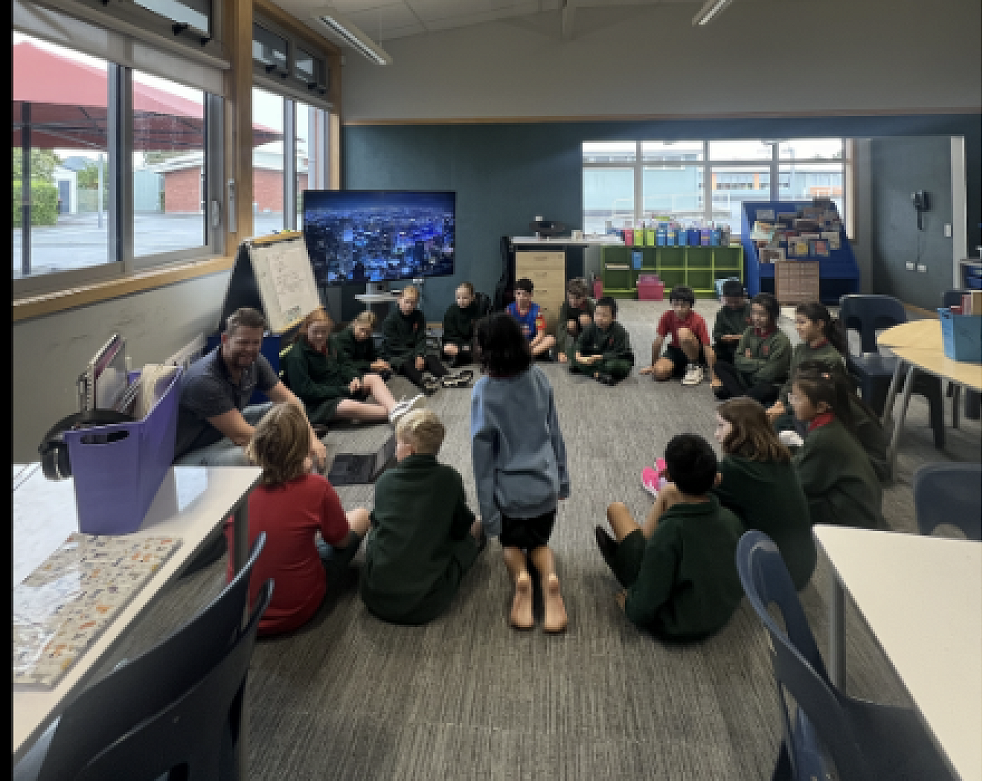
After several years of consultation, learning and experimenting our rebuild began in 2018. Oaklands Te Kura o Ōwaka is now a flexible learning environment with hubs of 2 - 5 classes working collaboratively across purpose built learning hubs.
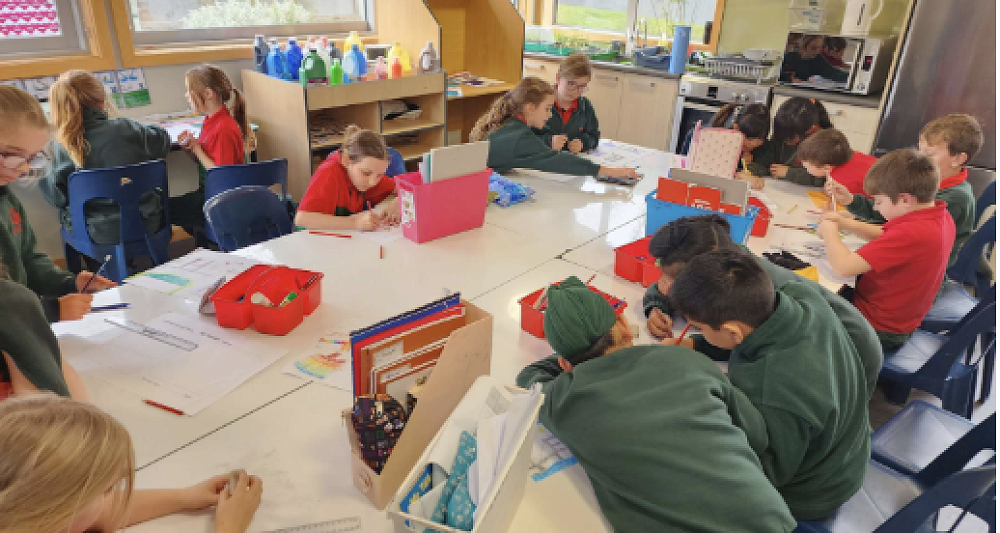
Why the Change? Most New Zealand schools were built in a time of ‘factory-style’ learning, where all students of the same age learned the same things, at the same time, by direct teacher instruction. We have now moved to a model of collaboration and co-teaching. Multiple layers of collaboration are now a component of our practice.
Benefits of Flexibility and Collaboration
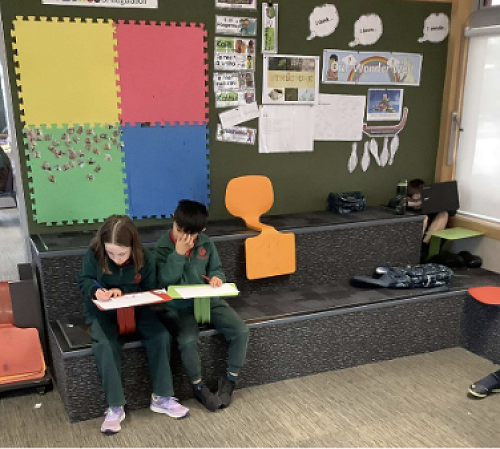
Specific spaces for specific learning tasks (breakout spaces for 1:1, small groups or quiet tasks and large spaces for collaboration or whole class discussion/collaboration)
The power of two to four adults with multiple perspectives, ideas and shared responsibility
Utilisation of adults’ strengths and specialist skills providing broader support
Flexible adaptation of environments to support diverse needs and a rich curriculum
Outcomes for Learners
Improving Hauora (Wellbeing)
Improved learning outcomes (Progress and Achievement)
Challenge, mistakes as the first step in learning
Multiple modalities and dynamic use of spaces including digital technologies
Moving from teacher-centred learning to learner-driven (Student Agency)
Developing the skills/capabilities required for the interconnected and complex world (Future-Focused)
CARE classes and Hubs
Students are in CARE classes with a CARE teacher (this replicates the previous class teacher model). However, they will now also be a part of a hub of two to five other CARE classes. Our model acknowledges the importance of students and whānau having a strong relationship with one teacher in the shared space while developing meaningful connections with the other teachers.
All environments at Oaklands Te Kura o Ōwaka are collaborative, meaning there is a greater likelihood of teachers other than the CARE teacher teaching your child, enabling us to use teachers’ strengths to get the best for all learners in a collaborative setting.