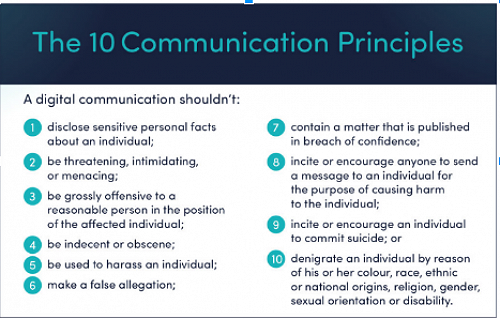
10 Communication principles for digital media
Social media can be a fantastic way for young people to meet friends, connect with people, support their peers with learning, communicate with others around the world about current events and issues, and chat to their idols and role-models in sports, the arts etc.
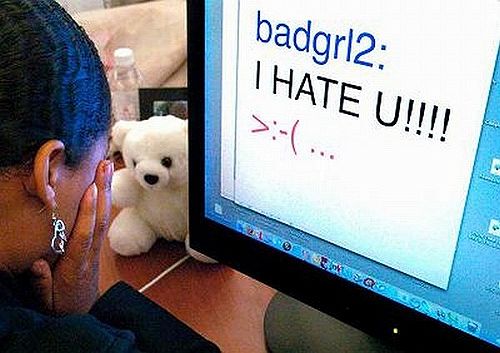
But, social media can also be used in a negative way to make someone feel bad about themselves, feel isolated and be the victim (or perpetrator) of bullying, as well as inciting negative group behaviour.
Quite often, social media can play a part in igniting, or perpetuating a situation that needn’t have happened or could have been straight-forward to resolve in person.
We would like to encourage you at home, to support us in helping our girls develop and maintain our PB4L values of Respect, Integrity and Positivity, by
Encouraging positive use of social media (saying/ posting nice and encouraging things to their peers)
Encouraging / requiring your daughter to spend time away / logged out of social media sites (especially at bed-time)
And even better, encouraging them to take part in activities which do not require a device at all.
At OGHS, we take online harassment and bullying VERY seriously. If needed, we will work with the police to utilise the Harmful Communications Act.
The Act also includes criminal offences to penalise the most serious perpetrators, and the Police will handle these cases. Under The Act it is illegal to send messages and post material online that deliberately cause somebody serious emotional distress.
The Police may prosecute a person if:
they intended the communication to cause harm;
it’s reasonable to expect that a person in your position would be harmed by it; and
you were harmed.
The court will consider a variety of factors including how widely the material spread and whether what was said was true or not. The penalties for this offence are a fine of up to $50,000 or up to two years’ jail for an individual.
What can often escalate a negative online communication incident is when other girls in their friend’s peer group receive pictures or videos which were taken without the individual’s consent, and then share them on to their friends.
Passing on an image, video, screenshot or message that you know is harmful or offensive to another person opens you up to disciplinary consequences as well.
DELETE. DO NOT SHARE and do not get involved if this happens to you.
Gallery