Outdoor Education Journey
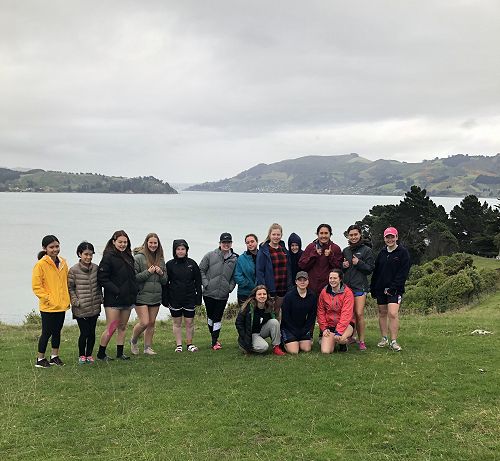
The Year 12/13 Outdoor Education class completed a local Dunedin journey last week.
This place-based experience aimed to promote learning that is rooted in what is local; the unique history, environment, flora and fauna of North Dunedin, the harbour and the Otago Peninsula, whilst minimising their carbon footprint and practicing leave no trace values.
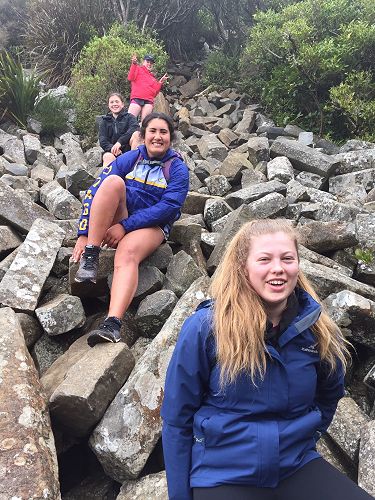
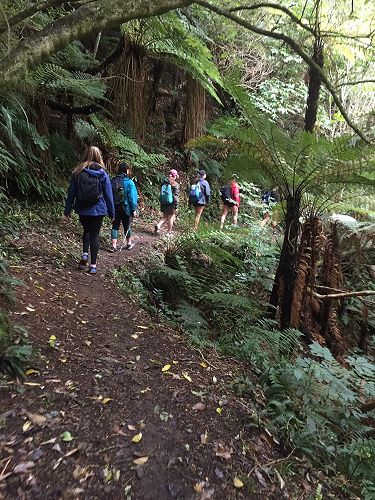
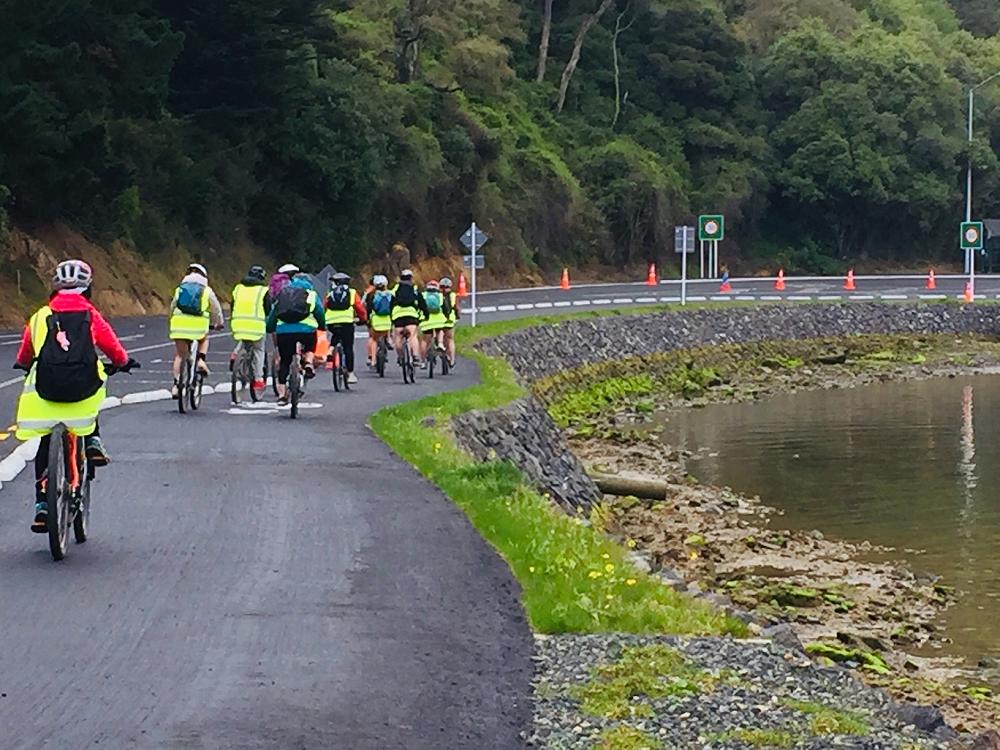
Learning through a physical journey of the students' own "place" , the girls cycled from Otago Girls High School on Thursday 17 October to Bethunes Gully, where Ms Hokianga picked up the bikes and the girls then hiked over Mt Cargill. Discussing (and tasting) the flora with Samuel and the importance of leave no trace concepts with Lawrence, two Outdoor Education trainees from Otago Polytech, who assisted on the journey. The students climbed the Volcanic Organ Pipes and then headed down through Grahams Bush to Port Chalmers. The class was intending to Waka to Quarantine Island/ Kamau Taurua, as they had been learning how to paddle and the tikanga of waka travel, however the wind became too strong and instead they had to travel by speedboat across to the Island for the night (Special thanks to Mr Hurtado-Stuart).
After overnighting on Quarantine Island/Kamau Taurua, (which we discovered means a place where nets are set), the girls watched the Kawau paka (the little shags) out of the lounge window, whilst hearing about the history and events that shaped the Island from Dries the local caretaker. After exploring the Island and the impact of history first hand (while roly polying down the hill and learning how to pick up chickens and collect plankton) the girls travelled across to Portobello the next morning, to meet Ms Hokianga with the bikes and were assisted by a welcome tail wind as they cycled from Portobello, along the reclaimed land of the foreshore, past the molars, and watched Lily cycle the railway overbridge before heading back to Otago Girls' High School on Friday morning.
This trip focused on how a local journey can connect students to the places that they live in, with the underlying philosophy that the more people connect with the local places they live in, the more they care about them.
Gallery