Sea Lion research
At the end of last week, ten Year 10 students were invited to attend a two-day extension science opportunity. This course was organised and run by a few of the passionate marine biologists from the University of Otago. During the two days, we researched and learned about our native Sea Lion, the Pakeke.
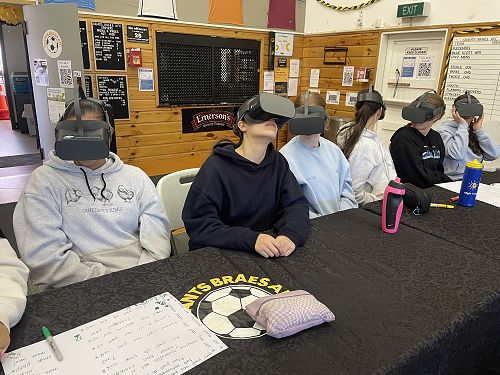
The 10 lucky students, Mrs Beaman, and 10 Saint Hilda's students spent Thursday and Friday learning about our incredibly special species, the New Zealand Sea Lion. On Thursday, we had a theory session in which we learnt about the behaviour and history of these incredible animals, as well as hearing about the educators' jobs and everything they entail. This included how they work with colonies of thousands of Sea Lions down in the Auckland Islands, and smaller numbers along our coasts and in Rakiura (Stewart Island).
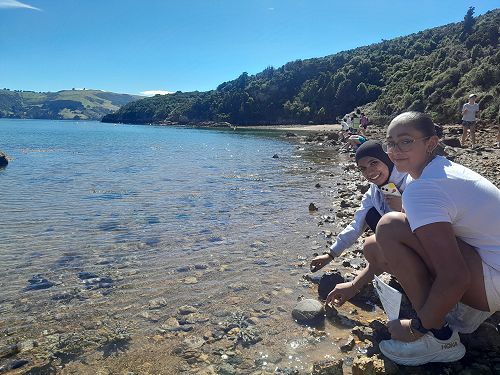
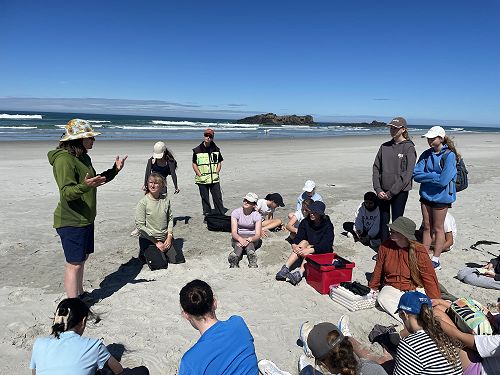
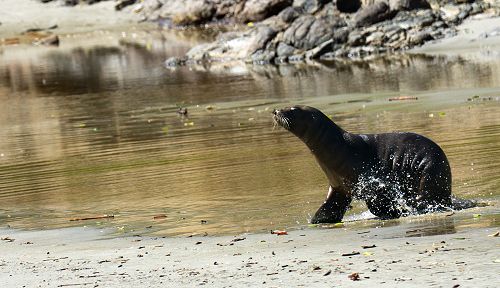
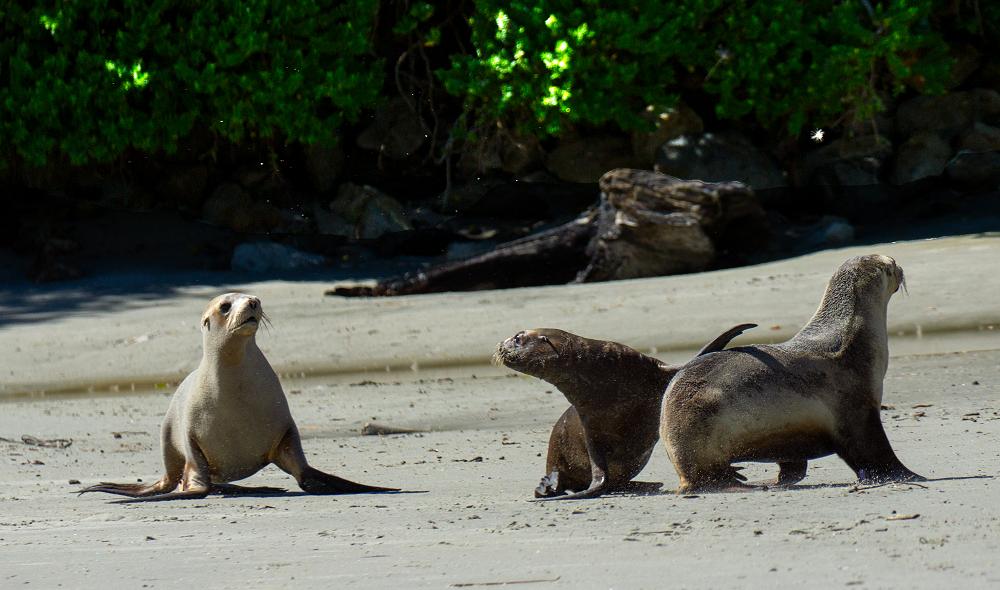
We then travelled to Smails Beach and worked in the field for the afternoon. During this adventure, we saw seven female Sea Lions, two males, two juveniles and a pup. This was amazing as it meant that we could put everything we'd been taught that day into practice and take a better look at the Pakeke up close. Following our Sea Lion sighting, we looked for samples of Sea Lion scat and faeces in the dunes at the beach.
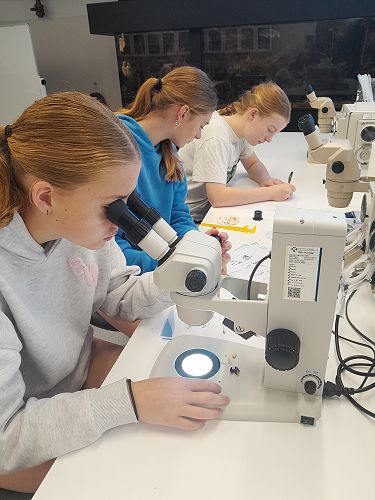
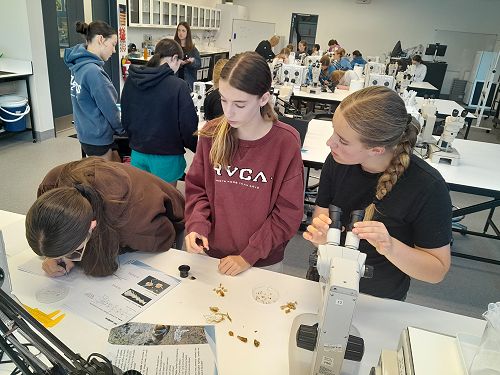
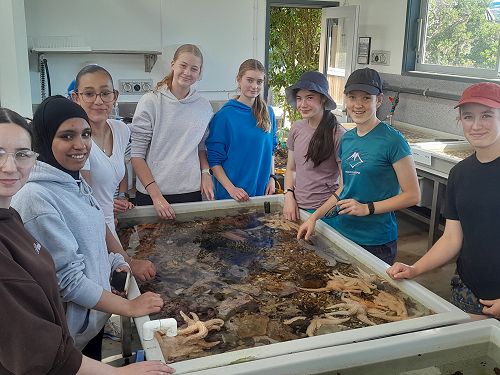
We spent Friday at the Portobello Marine Studies Centre examining previously sterilised samples. We categorised our finds and were taught how to estimate the size of the original prey based on bone sizes. We were then asked to reflect on all that we'd learnt and think about what is already being done and what we think should be done for the sea lions. Another member of the university came and listened to our thoughts about what we think should be done regarding the species, and we’re hoping to see some of these made a reality.
This was such an incredible opportunity that we got to take part in, and we really hope that they continue it in the future so that other students can experience these awesome two days packed full of new learning. Doing something that can have a real impact on the sea lion community and our community as a whole was such an amazing experience, and we can’t wait to see where this programme goes in the future.
Gallery