
Hospitality for hospitality workers
Juliane Tautz advocates for kindness towards hospitality workers, for employee wellbeing and a sustainable workforce.
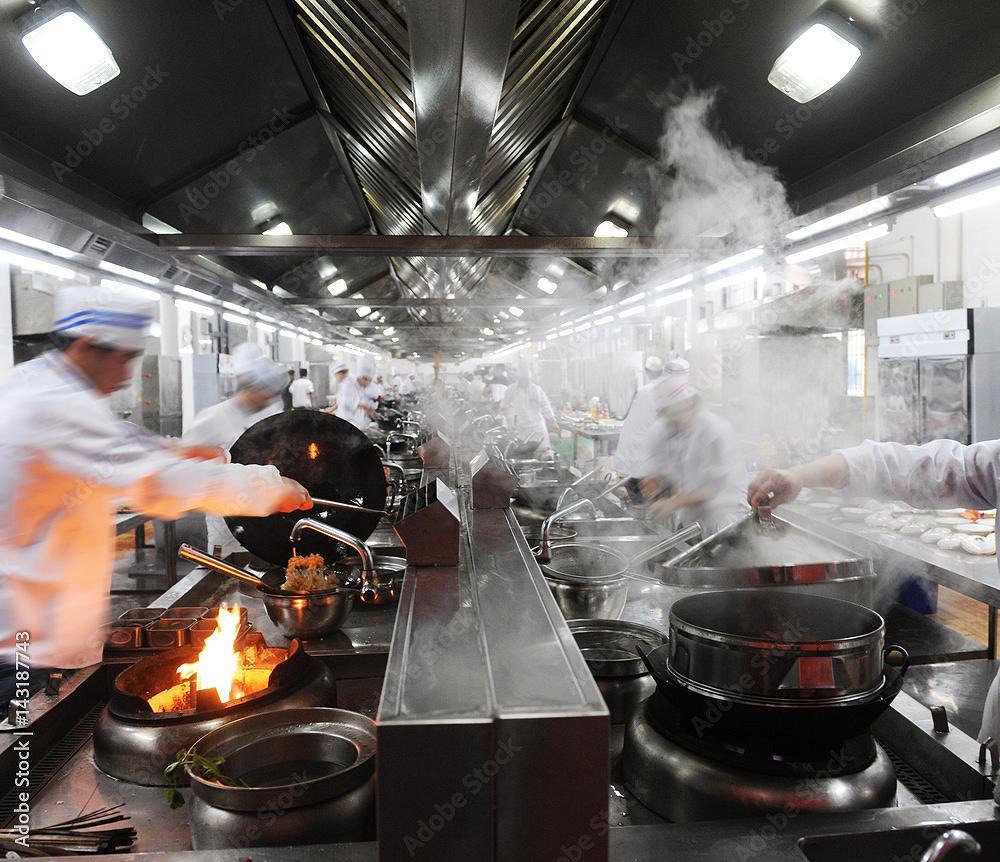
The hospitality industry, and in particular kitchens, are notorious for being very intense workplaces, and to a degree the industry still glorifies in how hard it is to work in a kitchen. No formal leadership training is available specific to this industry, so head chefs may just mimic what they have experienced themselves. It is a very stressful and hierarchical environment but verbal abuse is neither necessary nor helpful. Late nights and long hours don't help.
Juliane Tautz, a lecturer on the Bachelor of Culinary Arts at Otago Polytechnic, is redeveloping the Culinary Management and Leadership course in the programme for her own Master of Professional Practice research. Te Whare Tapa Whā provided a starting point; Juliane then incorporated the concept of manaakitanga, for learners to build their leadership capabilities and become hauora champions, to be able to contribute to and create working environments where everyone thrives. The framework Juliane has produced encompasses wellbeing/ care for each other, unity of whānau/communities, spirit of generosity, building and maintaining strong relationships, and environmental care.
Recognizing the hospitality industry's historical deficiency in prioritising its workforce's welfare, the curriculum emphasises the manaakitanga concept, embracing the commitment to nurture relationships, uphold communal wellbeing, and ensure self care. Achieving industry transformation requires learners to embrace an altered perspective and become the motivation for change. By aligning education with industry demands and prioritising wellbeing, the project seeks to create positive change within both culinary education and the hospitality sector. The overarching model is applicable across diverse educational and industry contexts.