
It's systematic
Addressing future issues using a system based regenerative framework should lead to better solutions for people and the planet in future.
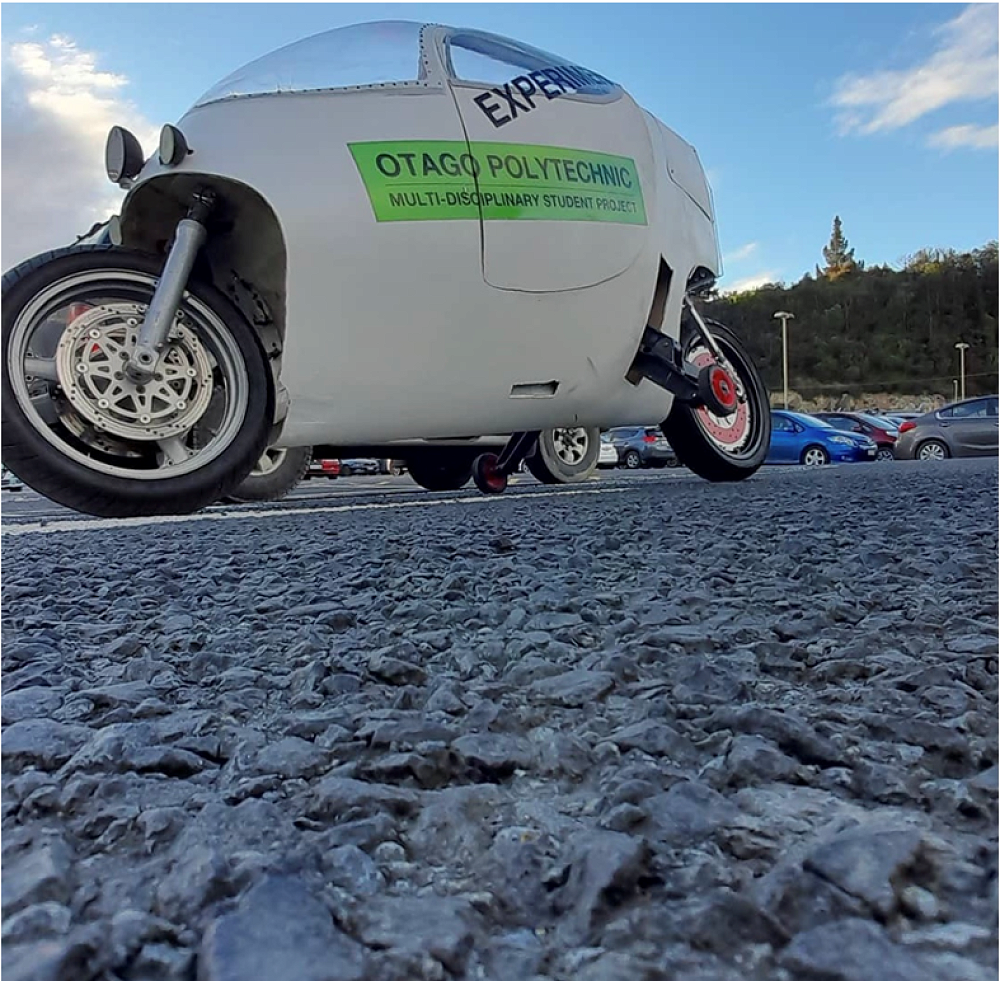
In 2019 a new research project began to design and build an electric vehicle, led and supervised by EPICentre Technician William Early. This multidisciplinary learner project aimed to have learners designing as much as possible rather than using off the shelf commercial solutions. It was also hoped that the project would involve many disciplines, would appeal to learners, and would have great outcomes for both learners and staff. Around 40 learners have been involved to date, most from Engineering.
For a Master of Design Enterprise, William Early undertook a systems level evaluation of the project to answer some questions:
- How to implement multidisciplined projects
- How to widen the departmental involvement
- How to improve engagement by staff and students
- How to create projects that are enduring.
William examined the internal environment for the project, and then considered its New Zealand and global contexts. The following factors were identified for a strong basis for future multidisciplinary projects:
- Staff-centred research in areas where research is already taking place and have high student numbers.
- Projects that require wider input from multiple disciplines.
- Projects that provide opportunities for both postgraduate and undergraduate students to undertake appropriate level sub-project research.
Such a systems level approach leads to better understandings of problems, which leads to better decision making. Framing what a good solution would be can only come from a well-informed educated background, and the principles of regenerative thinking provide this.