
Education outside the classroom
Ara Institute of Canterbury researchers David Irwin and Allen Hill investigated how paperwork and legislation are affecting education outside the classroom at some Aotearoa New Zealand schools.
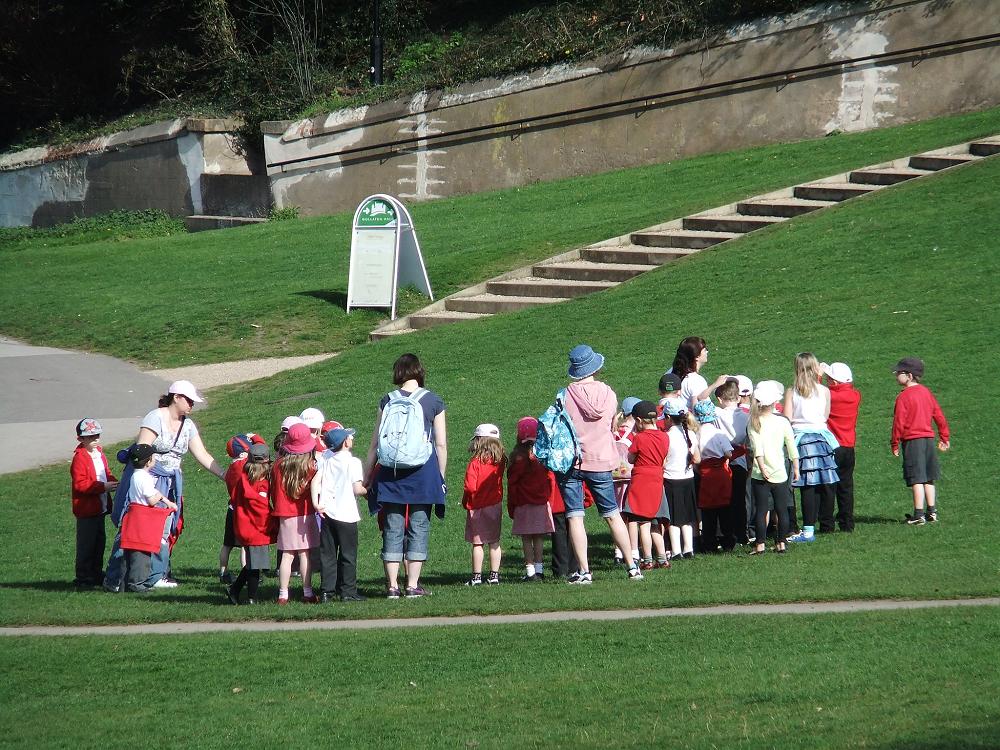
School trips are a much-valued part of Kiwi kids’ lives. Outdoor adventures and cultural excursions offer students the chance to learn, socialise and form lasting memories. Few schools want to deprive young people of such opportunities. But taking students out of the classroom into less predictable environments can be risky. Teachers feel a burden of responsibility to get their charges home safely. Health and safety legislation aiming to prevent accidents and protect students can end up adding to that burden. New research from Ara Institute of Canterbury looked at how legal risks and paperwork might be affecting the school trip experience for students and staff.
For this study, Ara Institute of Canterbury researchers David Irwin and Allen Hill teamed up with researchers from the University of Waikato, University of Canterbury and the University of Otago and a facilitator from Education Outdoors New Zealand. Their results were published in two parts. Their first article uncovered the impact of recent law changes on the quantity and quality of Education Outside the Classroom (EOTC). In particular, they examined the effects of the Children’s Act (2014) and the Health and Safety at Work Act (2015). Part two looked at whether paperwork was adding to the legal obstacles to learning activities outside the school.
Education Outside the Classroom describes curriculum-based learning opportunities that take place beyond classroom walls, such as field trips, noho marae, museum visits and international exchanges. By far the most common EOTC activities involve health and physical education, including outdoor education.
In over half the schools studied, the researchers found that health and safety legislation had reduced the number of EOTC activities. School staff were worried about protecting children’s safety, and this anxiety was increased by legislation indicating that staff might be held personally liable if an unforeseen accident occurred. Paperwork also proved a barrier. Many participants in the study complained of the extra workload needed to demonstrate legal compliance and accountability. Not all schools were affected equally. Better resourced schools, for example, tended to be less anxious about legislative implications and to continue EOTC activities.
To reduce the burden on all schools offering Education Outside the Classroom, the researchers found that a supportive school culture and community was key. Dedicated EOTC champions within schools could play an important role in managing concerns and making sure legal requirements were met. EOTC coordinators in some schools were already creating effective systems for dealing with paperwork and lining up the staff’s safety concerns with those of legislators. Good systems and people, Hill and Irwin and colleagues found, extended beyond individuals to involve the whole school in enabling EOTC. Finally, schools and the government should continue to develop the capability and confidence of teachers in safety practices through professional learning. All these measures can ensure that children continue to enjoy exciting learning opportunities outside the classroom.