Photo by Otumoetai Intermediate Communications
Year 8 Rutherford Science
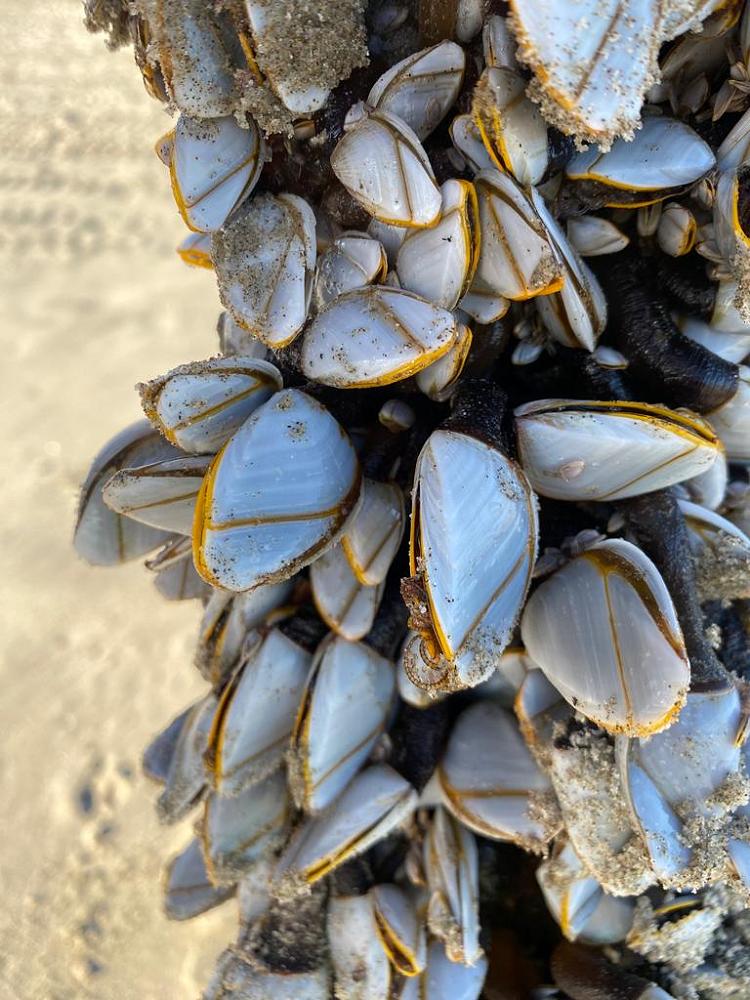
Rutherford Science Examines the Acorn and Gooseneck Barnacles
The easiest way to understand how a barnacle is organised is to think of a crustacean sitting upside down on its head, covered with a hard, outer shell, out from which its legs protrude when feeding.
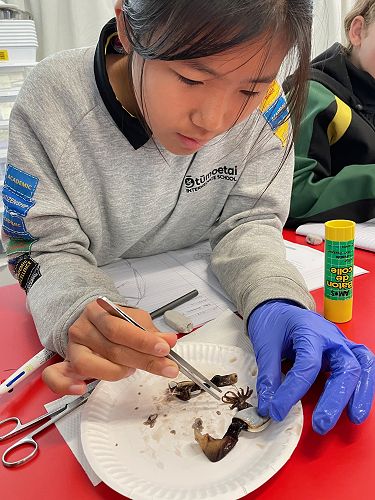
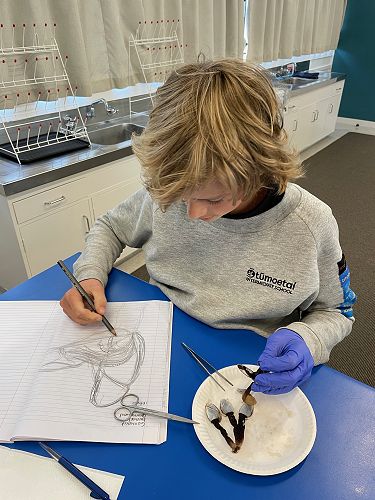
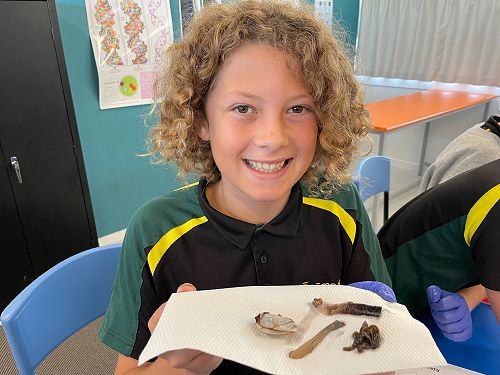
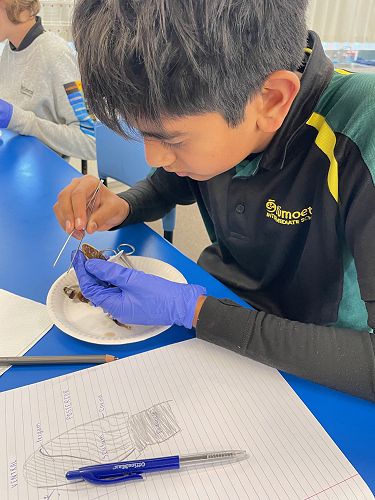
This week's Rutherford Science class had a hands-on experience with an invertebrate that is often seen attached to logs and various other objects it can cement itself to, and found washed up on our beaches.
They dissected the animals, seeing the six paired filter feeding legs, the cirri and examining the stalk aka the peduncle.
Hard to imagine that these animals are considered a delicacy in some European countries!
Ali McPike
Gallery