Deliberate Self Harm
Information for parents/caregivers
What is Deliberate Self Harm?
‘The deliberate, direct, and self-inflicted destruction of body tissue resulting in immediate tissue damage, for purposes not socially sanctioned (eg piercings) and without suicidal intent.’
How it is done?
Examples include Cutting yourself, Scratching/picking until you bleed, burning, punching/hitting self or hard surface, headbanging, pulling out hair.
Why it is done? What function does this behaviour perform?
Young people can find themselves in a place where they are experiencing significant distress. Harming themselves is supposed to be a method to reduce this distress. The release of brain chemicals such as pheromones can bring a sense of calm, the young person will often say they feel better (for a short time) after they self-harm. In the long run, however, because they have not really addressed the cause, there is little chance of overall improvement.
Other themes involved are Contagion (copying others); Communication (a cry for help/ attention), Chastisement (punishing themselves for ‘being bad’); Confirmation of existence They may find it hard to experience emotion as their emotions are dull (eg with depression). Self Harm can help them actually feel something, which confirms their existence. Creating Numbness is very similar. Instead the emotions experienced are ‘large’ and disturbing. The calm that can follow self-harm (for a short period) can reduce these ‘large’ emotions. Control. Here the young person believes they exist in a world where they have little or no choices/ options. Self-harm is seen as one way they can control life. Crisis. Can be seen as a way to ‘get through’ crisis situations. Calming and Comforting. Here the short term ‘calming’ effect is the main aim. Cleansing. Here with the shedding of blood, the person believes that they experience a feeling of being cleansed.
What you might notice.
Unexplained cuts, bruises and burns; Blood on clothing and bed linen (inside and outside) or independently washing clothes/linen; Use long clothing even in summer; Reluctant to expose skin to view, they avoid swimming, sleepovers, changing clothes with others; Withdrawn mood, isolative, irritability, sudden change in behaviour, increase in negative self-talk; Change in usual routines/ eating/ sleep pattern/drop out of usual activities; Change in school grades/interest/truancy.
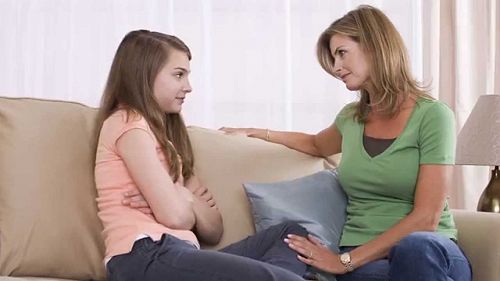
Talking to the young person is vital. Ideas???
Naive enquirer. Try not to yell or ‘corner’ them. ‘I noticed there was some blood on your uniform, what’s up’? ‘You’re wearing long sleeves and its really hot today, what’s up’? Sensitive and respectful . Don’t push. You may get a few ‘I don’t want to talk about it answers. Give some time and try again. Gather more information, once they start talking. What, how long, how often, triggers etc. They will often know that the self-harming is NOT the best way to cope. Introduce the topic of ‘changing this habit’ by asking have they tried anything to prevent self-harm yet? Or do they want to stop self-harming?. If the answer is a STRONG no. Change the battlefield. Make the discussion about how can you help them reduce harm, negotiate about the self-harm tools. Then Make a plan. Lastly ask the hard question. Enquire about suicidal ideation. You’d much rather know.
For the young person, safety plans. Key Ideas.
DECIDE that you want to stop self-harming – making this decision is the first step.
TAKE YOURSELF AWAY from the situation – something as simple as removing yourself from the presence of knives, razors or whatever it is you use to
15 MINUTE DELAY – try not to self-harm for 15 minutes. If this works, try another 15 minutes and so on.
HAVE SOMETHING TO DO – keeping yourself occupied can keep your mind off stress and not leave you time to think about self-harming. Plan things to do to occupy your free time. You could paint, listen to music, draw, play the guitar, dance, write, sing or anything creative.
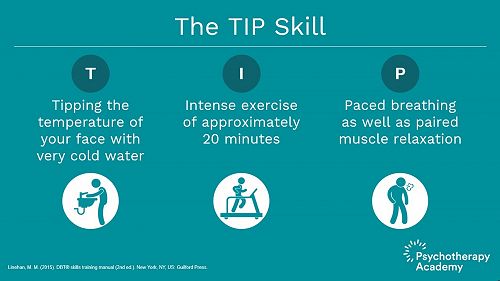
TRY TO FOCUS on the alternatives you have come up with. May need to try TIPP skills first ( Temperature, Intense Exercise, purposeful breathing, progressive muscle relaxation)
MAKE A LIST OF FRIENDS/SUPPORTS you can talk to or call when you feel you need to. These people should understand your situation and what you’re going through. Not all friends will be able to do this – most people find it difficult to understand why someone self harms.
If your family/friends are having trouble understanding you may need to talk to a professional (see details on last page of this hand-out).
Where to go for help?
- Lifeline – 0800 543 354 (0800 LIFELINE).
- CAF (Child and Family) Emergency Team 0800218219; Crisis Resolution, Freephone 0800 920 092, (After hours), 7 days a week.
- I Am Hope: Free call or text 1737 any time for support from a trained counsellor.
- Depression Helpline – 0800 111 757.
- Suicide Crisis Helpline– 0508 828 865 (0508 TAUTOKO) For people in distress, and people who are worried about someone else.
- Healthline – 0800 611 116.
- Samaritans – 0800 726 666.
- Youthline– 0800 376 633, free text 234 or email talk@youthline.co.nz
- What's Up– 0800 942 8787 – for 5–18-year-olds; Mon to Fri midday–11pm and weekends 3pm–11pm.
- Kidsline – 0800 54 37 54 (0800 KIDSLINE) – for young people up to 18 years of age. Open 24/7.
- OUTLine NZ– 0800 688 5463 (0800 OUTLINE) – provides confidential support for sexuality or gender identity issues.
- SPARX.org.nz – an online self-help tool that teaches young people the key skills needed to help combat depression and anxiety.
- Wellbeing North Canterbury; Hope Community Trust
Resources (videos)
- Search: Progressive Muscle Relaxation Jason Watson (ages 8+)
- Search: Just Breathe Montage Jason Watson (ages 8+)
- Search: Melting Flow (Progressive Muscle Relaxation) (ages 3-9)
- Search: "Just Breathe" by Julie Bayer Salzman & Josh Salzman (ages 8-12)
- Search: Just Breathe Elmo (ages 3-8)
- Search: TIPP (Temperature, Intense exercise, Paired Breathing, Progressive Muscle Relaxation)
- Search: Self Harm Behaviors - Boys Town Center for Behavioral Health (parents/adults)