PMP - Perceptual Motor Programme
Over the last few years I have been teaching at Oxford Area School, one of the favourite times of the week not just for the children, but for teachers as well, has been the Perceptual Motor Programme, in short, PMP. Mrs Riach has been taking PMP at Oxford Area School for approximately four years. She has been fortunate enough to attend a PMP course and was due to complete a follow up course last year. However, due to the lockdown this was unable to go ahead.
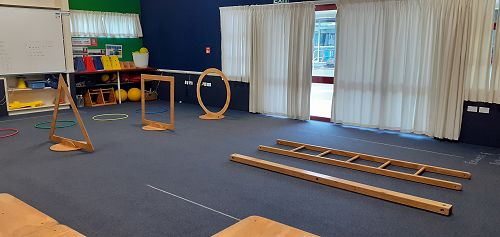
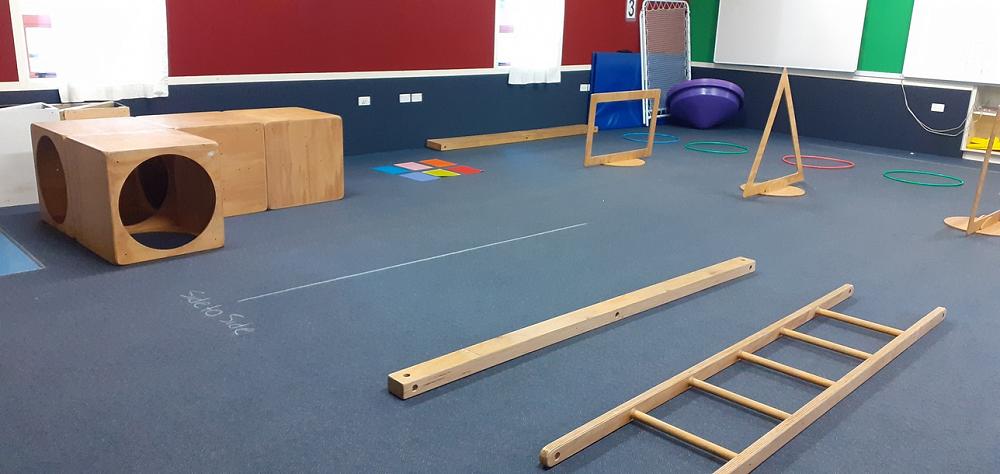
The variety of activities and set up of equipment relate to certain skill foci for up to two weeks. Sometimes there is the surprise of using the rainbow parachute or moving to music routines where often a bean bag is involved.
The PMP programme takes place on a weekly basis and caters for our new children starting school and Years 1 & 2 children. Activities are varied and consist of activity cards, floor sessions with music, eye-tracking, bean bags, balloons, balls, raku sticks, a variety of wooden purpose built equipment pieces and the ever popular ‘Dizzy Giddy’.
Here at Oxford Area School we are very fortunate to have PMP available as well as our facilitator Mrs Riach. This weekly experience not only builds on fundamental skills but many other skills that assist brain development.
The benefits from PMP are found here with an extract from ‘Moving Smart’
The Perceptual Motor Programme (PMP) is a physical skills programme that aims to increase children’s fine and gross motor skills, coordination, concentration, eye tracking skills, and memory through a variety of activities and games.
Perceptual knowledge/judgement comes from physical and sensory experiences that are repeated over and over. The perceptions that are formed over time help determine how children react to their environment, to others, and to new ideas.
When this is well developed, consequential reactions are more likely to be appropriate for any given situation.
In short, refining perceptual judgments prepare the brain for learning.
‘A moving child is a learning child’.
Gallery