
Matariki - Public Holiday, Friday 28 June.
The night sky has always held a special fascination for humanity. The stars that twinkle above have guided us, inspired us, and connected us to the vast universe beyond our planet.
In New Zealand, there is a celestial event that not only captivates stargazers but also carries deep cultural significance—the Māori New Year, known as Matariki. In this educational exploration, we’ll delve into the celestial wonders and cultural treasures surrounding the Nine Stars of Matariki.
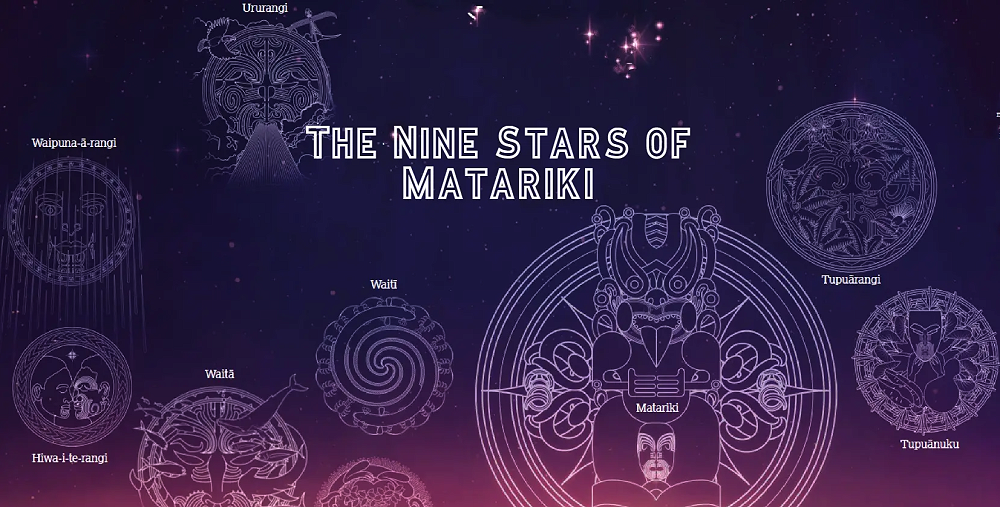
Matariki, often referred to as the Pleiades star cluster in Western astronomy, is a remarkable celestial formation that graces the Southern Hemisphere’s night sky. In Māori tradition, Matariki signifies the Māori New Year, a time of celebration, reflection, and renewal. This dazzling cluster consists of nine stars, each carrying its unique Māori name, Greek counterpart, gender, and associated provenance.
Nine Stars oF Matariki
Māori | Greek | Provenance |
|---|---|---|
Matariki | Well-being and health | |
Tupu-ā-rangi | Food that comes from above | |
Tupu-ā-nuku | Food that grows in the soil | |
Ururangi | The winds | |
Waipunā-ā-rangi | Rainwater | |
Hiwa-i-te-rangi | Growth and prosperity | |
Waitī | Freshwater | |
Waitā | The ocean | |
Pōhutukawa | The deceased |
The Cultural Significance of Matariki
Matariki represents more than just a celestial event; it’s a cultural tapestry that weaves together stories, traditions, and values. The Māori people celebrate this time with various activities, including cultural performances, stargazing, storytelling, and gatherings that foster a sense of community and connectedness. It’s an occasion to learn about Māori heritage, share in the rich cultural experience, and honour the spirits of the ancestors.