Healthy Lunchboxes
Everyone needs to be active and eat well to be healthy. Being healthy increases your quality of life and your sense of wellbeing. Here is some information to support your choices when preparing lunch boxes for your tamariki | child.
Children need to eat many different foods to be healthy and to grow. The four main food groups contain a mixture of carbohydrate, fat, protein, vitamins and minerals - all of which children need as they grow.
Everyday, children should eat a variety of foods from the four food groups:
Vegetables and fruit
Vegetables and fruit provide carbohydrate, fibre, vitamins and minerals, and are low in fat. They should be eaten with most means and are good snack foods.
Choose fresh, frozen or canned vegetables and fruit. Buying 'in-season' keeps their costs down.
Offer a mixture of raw and cooked vegetables and fruit with the meal or snack.
Provide different coloured vegetables and fruit
Breads and cereals
Children need to eat breads and cereals every day, as these are the best source of energy for the body.
Breads, breakfast cereals, rice, noodles and pasta provide carbohydrates, and some vitamins and minerals.
Breads and cereals are healthy snack foods for schoolchildren.
Include wholegrain varieties e.g. rolled oats, brown rice or bread
milk and milk products
lean meats, chicken, seafood, eggs, legumes (cooked dried beans, peas and lentils), nuts and seeds
Milk and milk products
Milk provides energy, protein, and many vitamins and minerals, including calcium. Children need milk and milk products to help build strong bones and teeth.
Encourage children who don't drink milk to eat other milk products such as yoghurt, low-fat home made fruit smoothies, custard, milky soups and cheese.
Lean meats, chicken, seafood, eggs, legumes, nuts and seeds
These foods all contain protein, which is important for children's growth. They also contain fat and many different vitamins and minerals - especially iron, which is important for the blood and brain.
The body absorbs iron from lean meats, chicken and seafood more easily than from plants.
To help absorb iron, include foods rich in vitamin C with meals. Fresh fruits and vegetables, especially oranges, kiwifruit, tomatoes and broccoli, are rich sources of vitamin C.
Limit processed meats, such as luncheon, salami, bacon and ham, as they are high in fat and/or salt.
Children need to eat regularly during the day. To meet their growth and energy needs, provide three meals and two or three snacks during the day. Snacks should not take the place of a meal, but think of them as a mini-meal that supplies energy, protein, vitamins and minerals. Choose healthy snacks that are low in fat, salt and sugar.
For healthy snack ideas, check out the Healthify.NZ website.
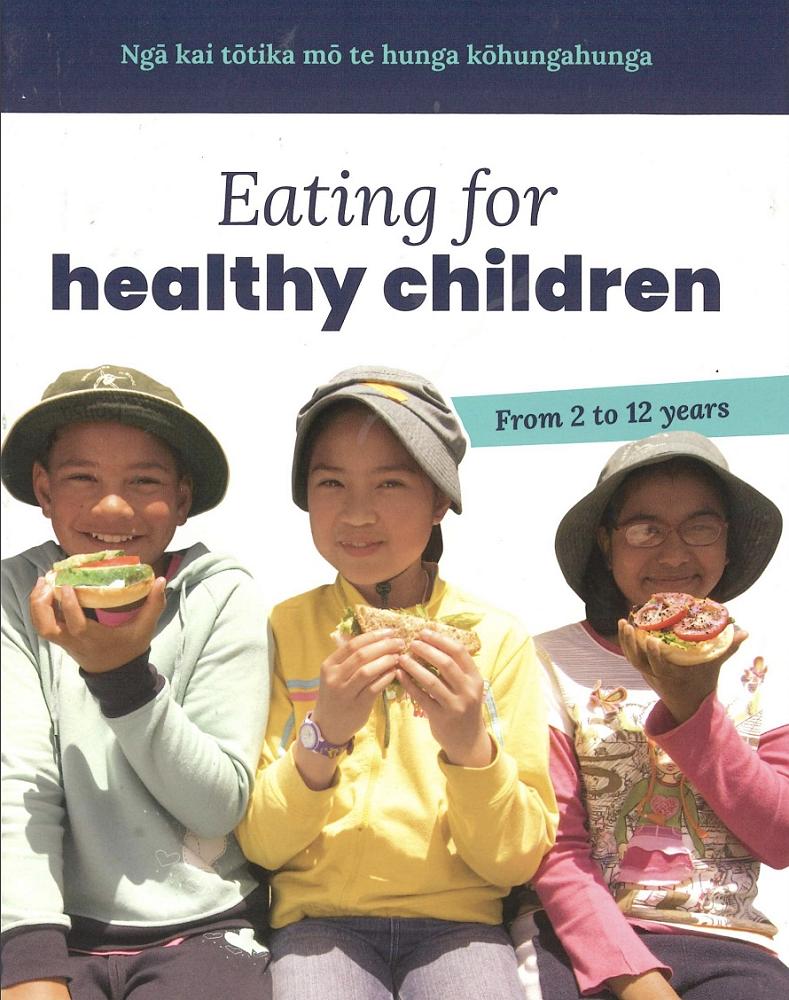
This information comes from Eating for healthy children, a brochure produced by Te Whatu Ora | Health New Zealand. The resource is available from www.healthed.govt.nz.