Imagination coming alive in Room 21
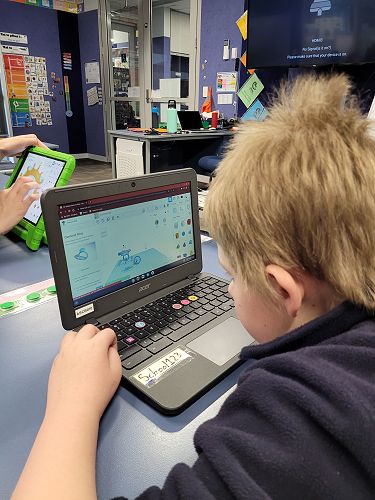
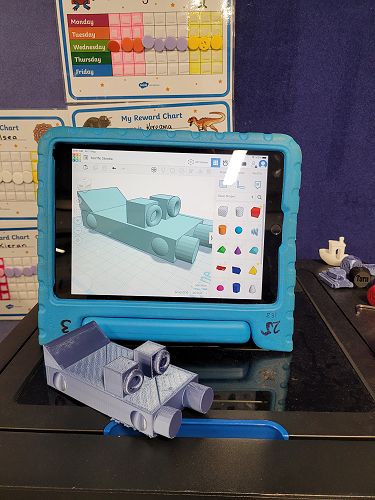
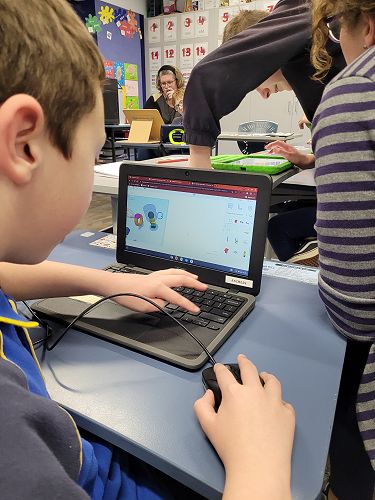
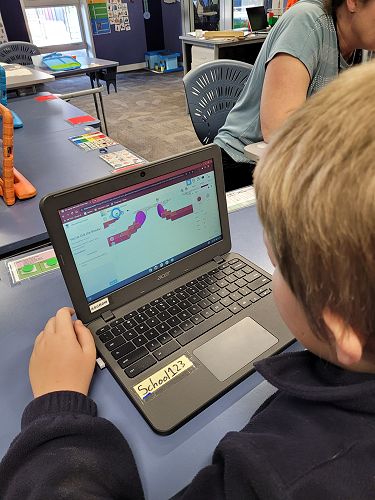
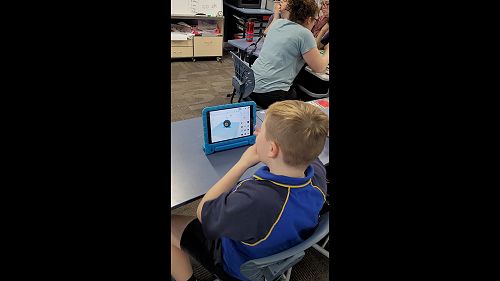
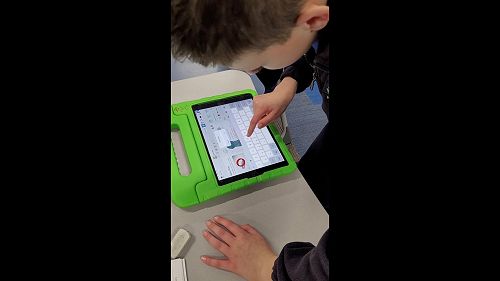
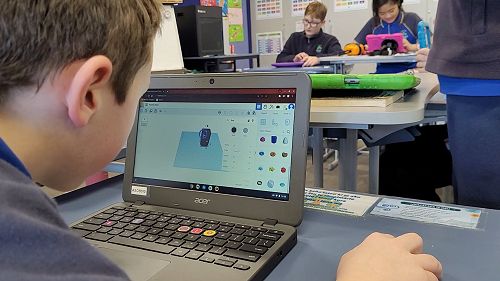
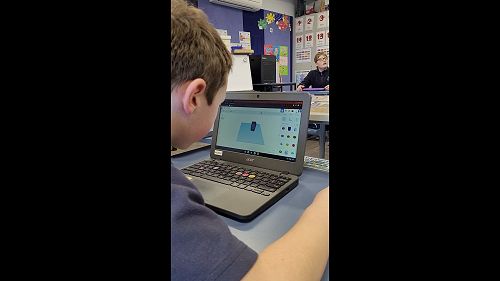
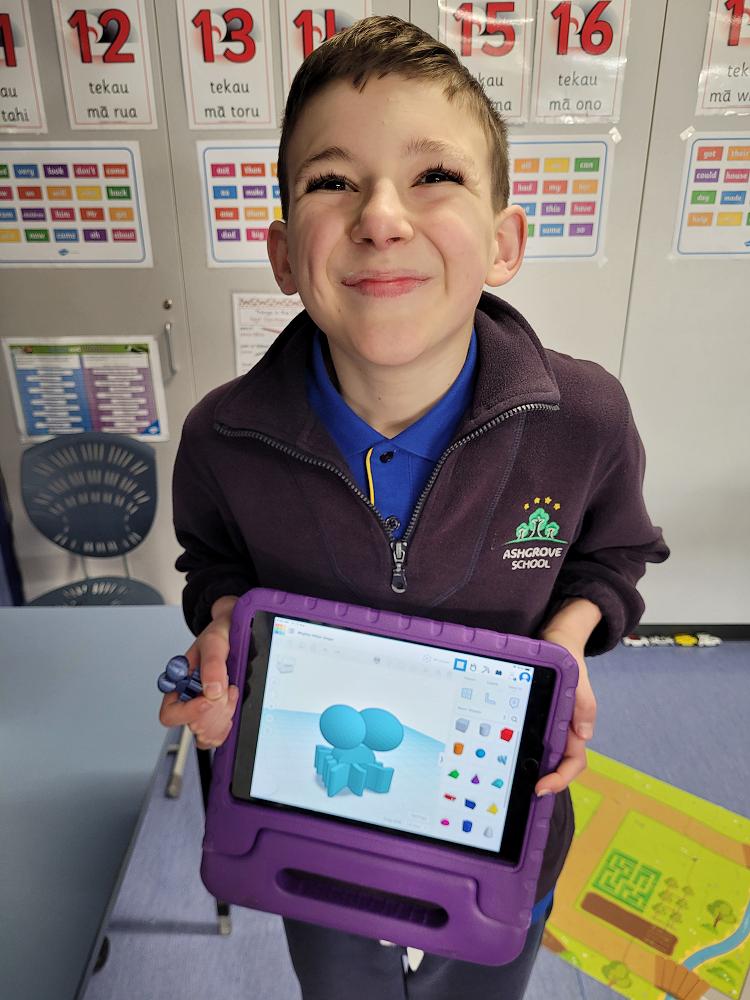
This term we have been discovering the fascinating world of 3D printing and unlocking our creativity with Tinkercad.
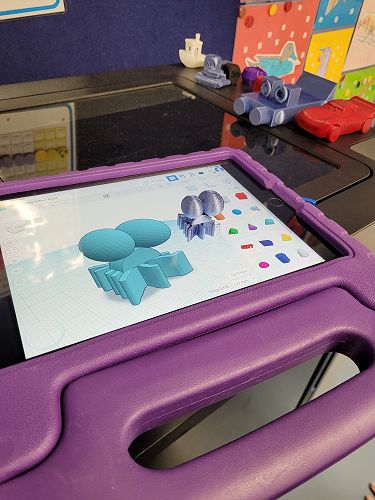
3D printing is an innovative technology that allows physical objects to be created from digital designs. It has revolutionized various industries, including manufacturing, healthcare, and education. A computer-aided design (CAD) software that we have been using for 3D printing is Tinkercad. Tinkercad is a user-friendly platform that enables students to easily create and modify 3D models, making it an excellent tool for introducing them to the world of 3D printing.
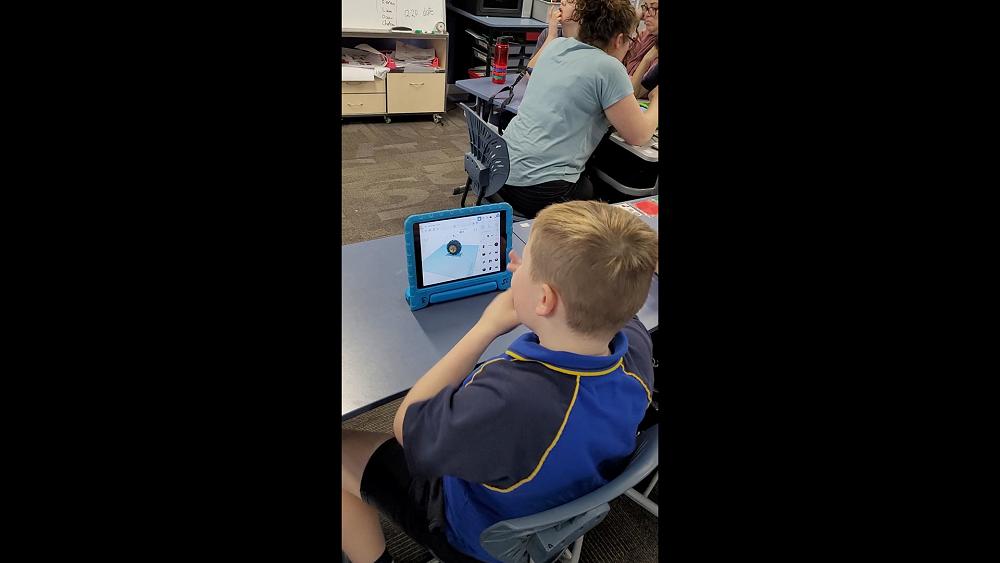
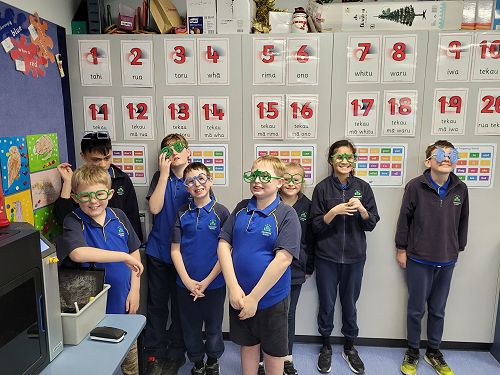
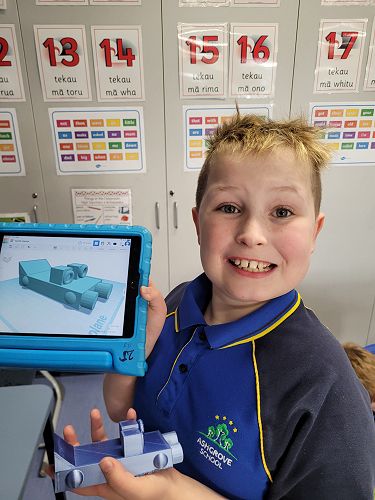
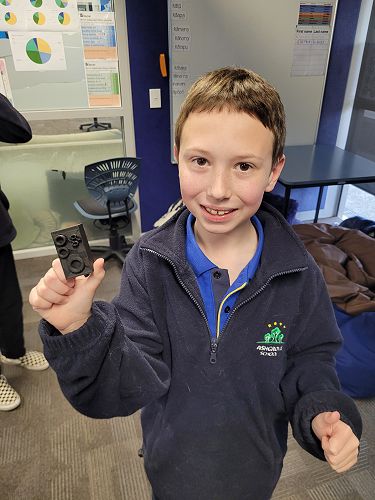
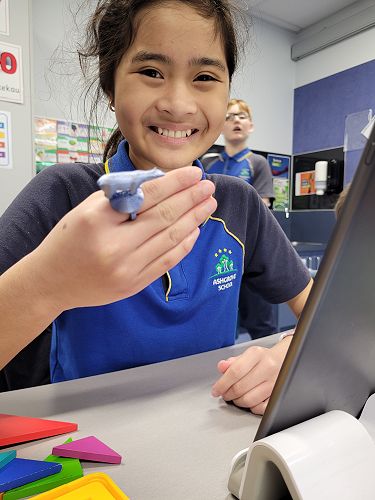
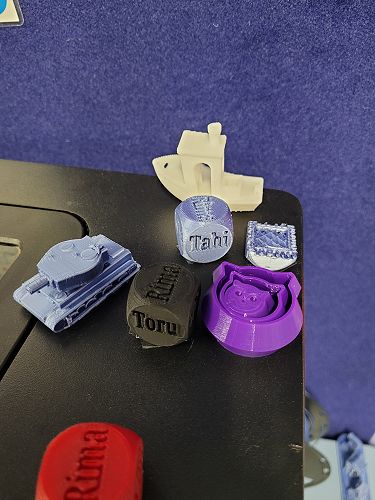
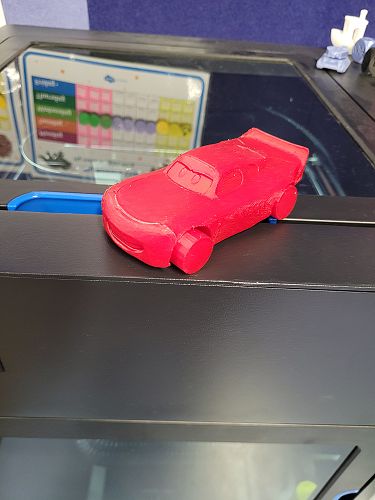
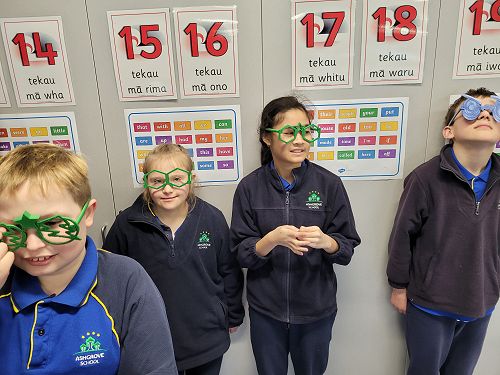
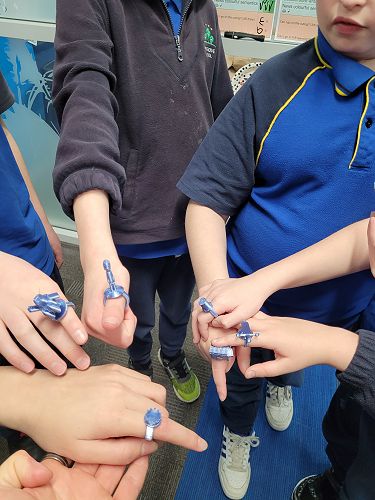
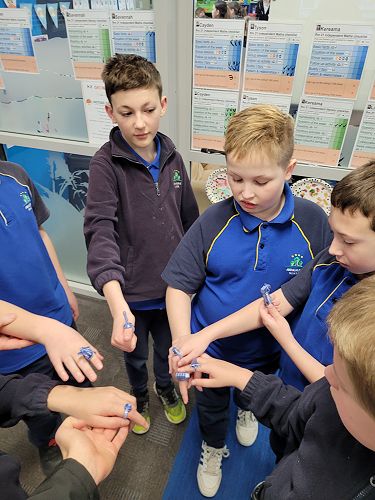
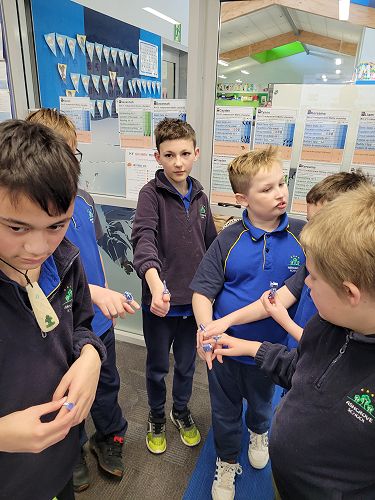
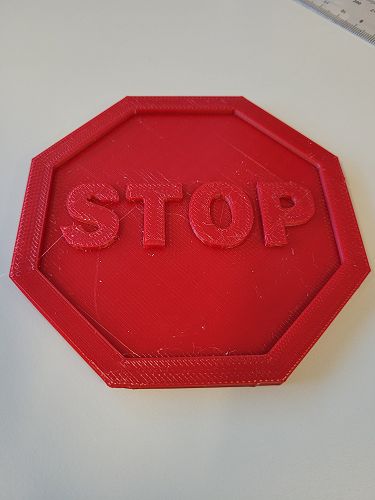
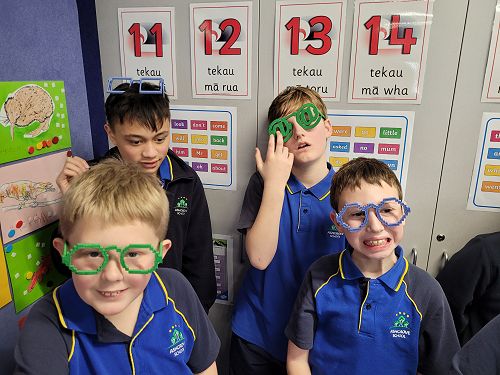
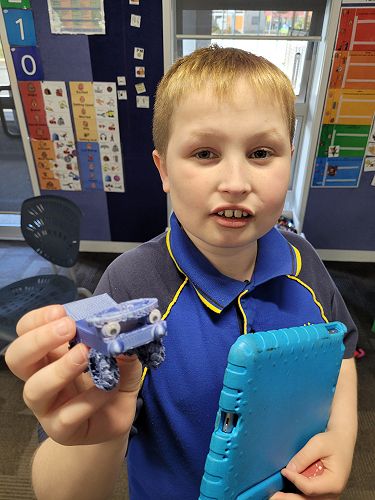
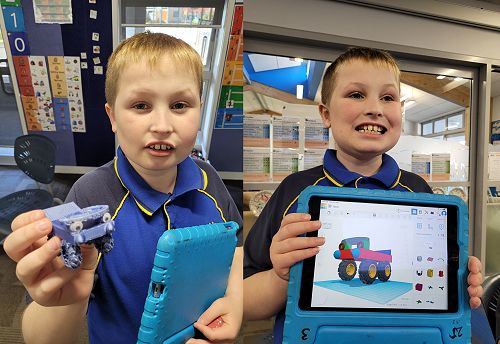
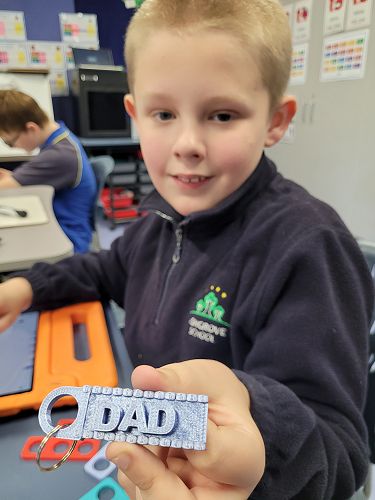
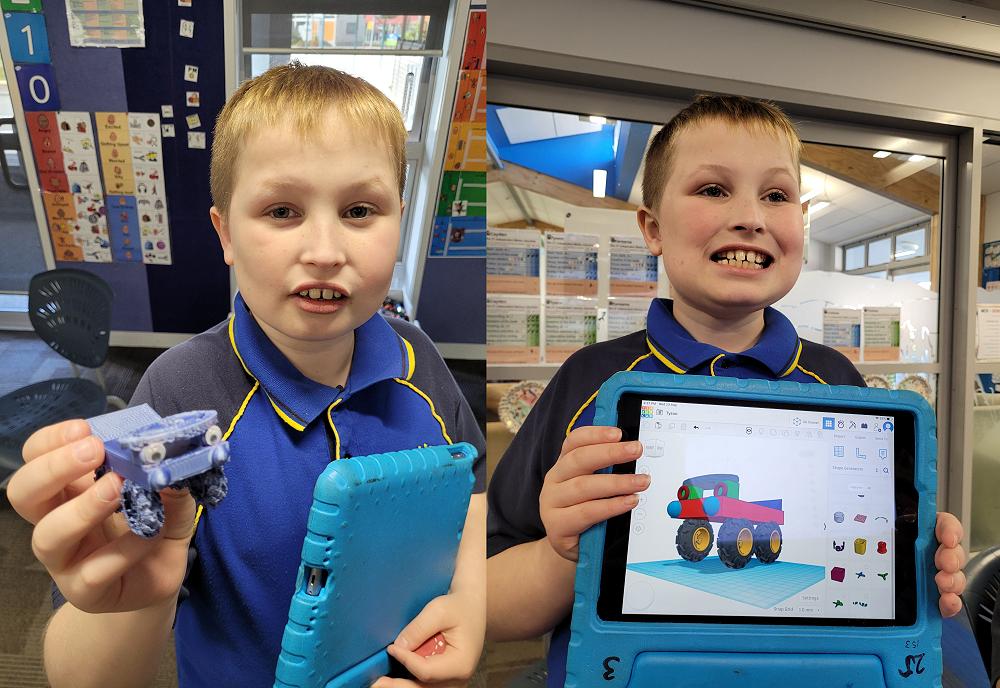
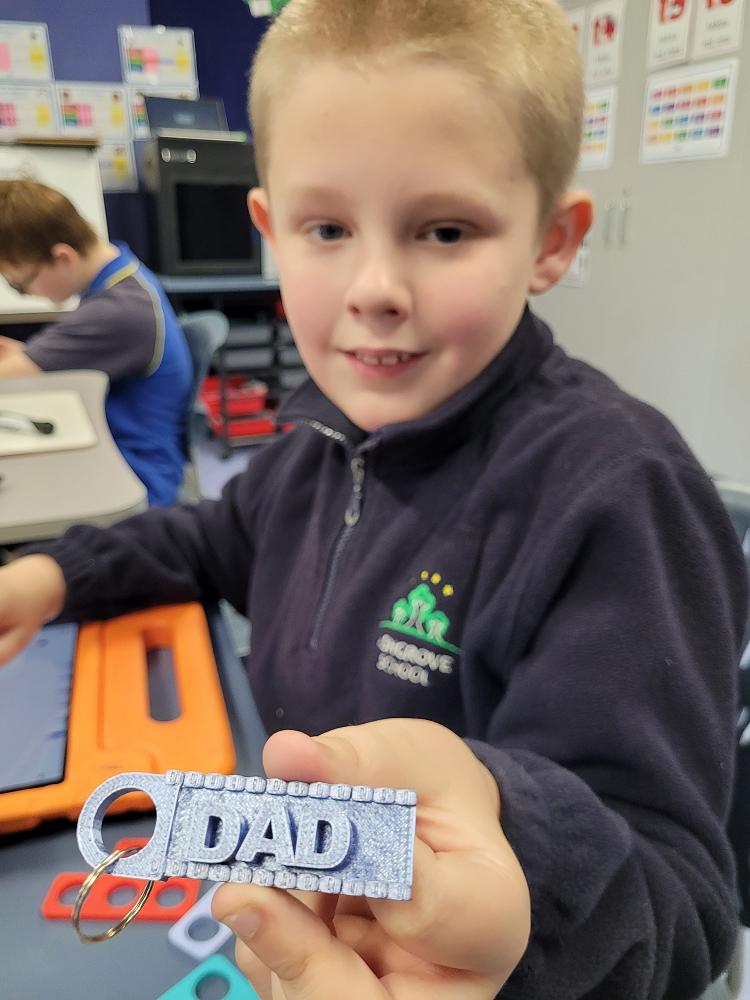
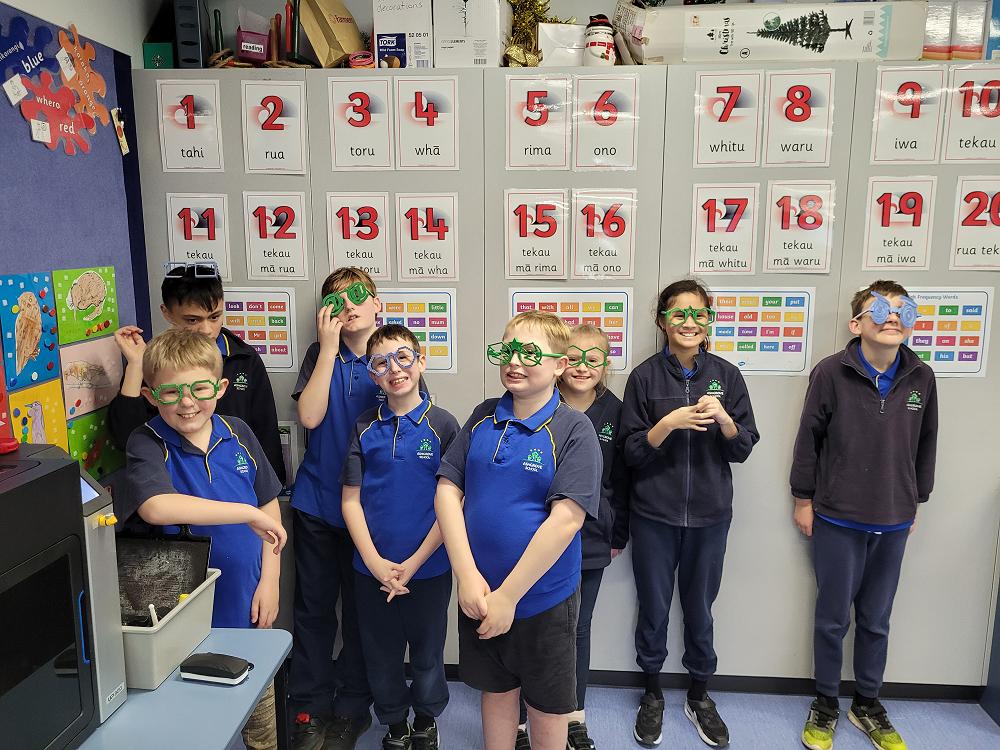
Having the schools 3d printer to use has opened a world of possibilities for our students as we have designed and made rings, glasses, keychains for father's day, 3d visuals, puzzles and lots of toys & student led designs. Through this we have been able to focus on our school values of resilience & uniqueness. When design our own 3D models, we have had the opportunity to express individuality and showcase our personality in making rings, glasses and individual designs that they have made. Each design represents a unique perspective and allows our students to explore their creativity.
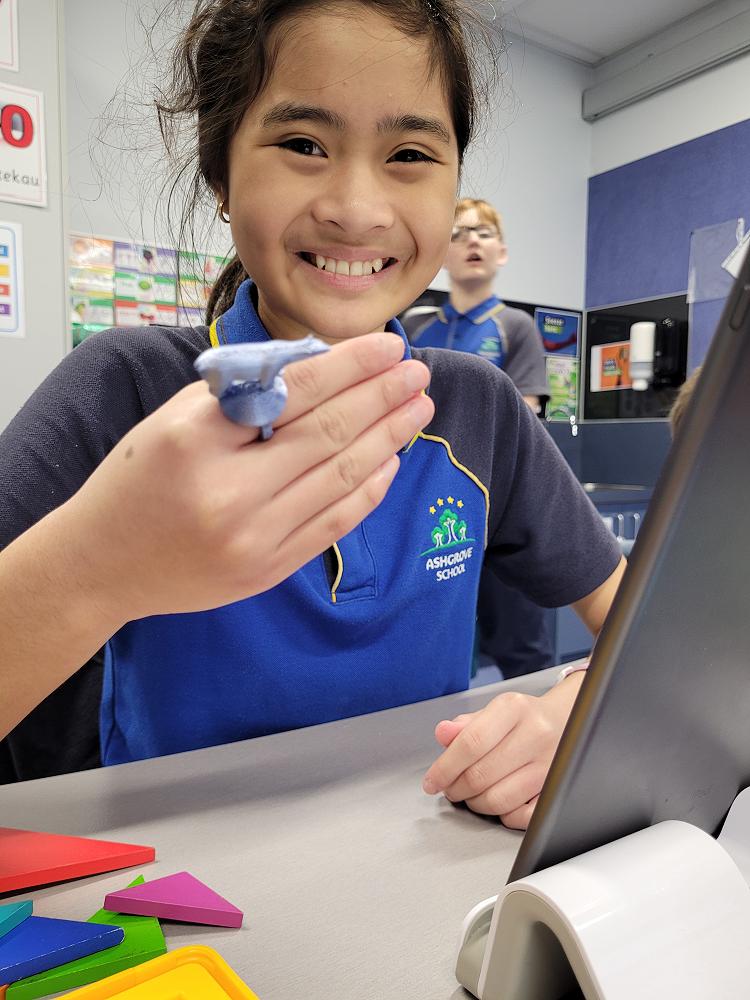
Additionally, learning 3D printing requires resilience and adaptability. We have had many challenges when mastering CAD software and designing our creations. Overcoming these difficulties fosters resilience, as students learn to persevere and find solutions, building their confidence in tackling new technology and concepts.
By learning about 3d printing we have been able to explore key abstract concepts in very practical ways with tangible outcomes. Exploring concepts like size, structure, measurement, shape, spatial reasoning, rotation, duplication, symmetry, positioning & orientation ākonga have been able to work with and understand these maths ideas which typically would be difficult to grasp and learn about. By designing different objects in Tinkercad ākonga are able to explore all of these concepts in a way that they can visualize it and understand how it affects the design.
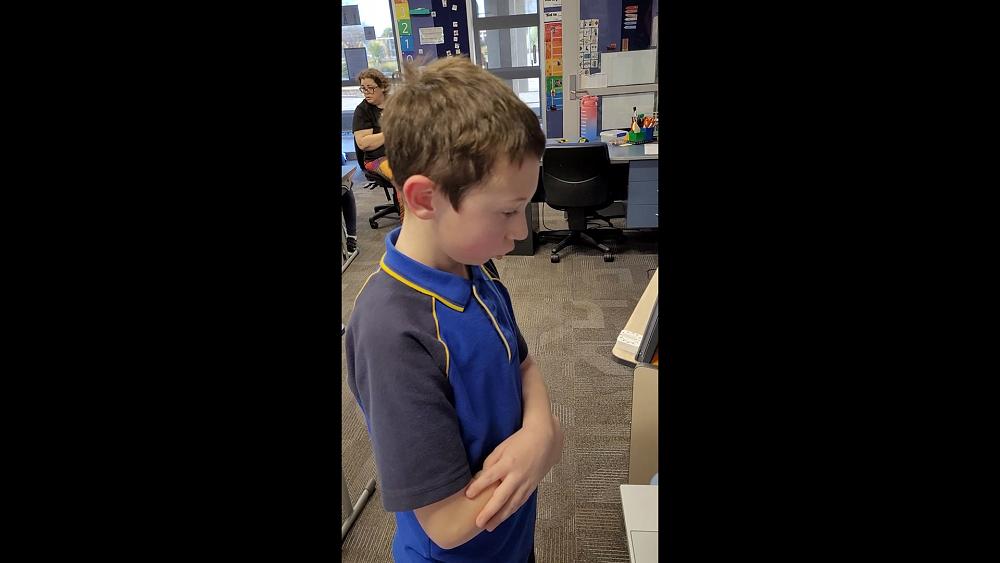
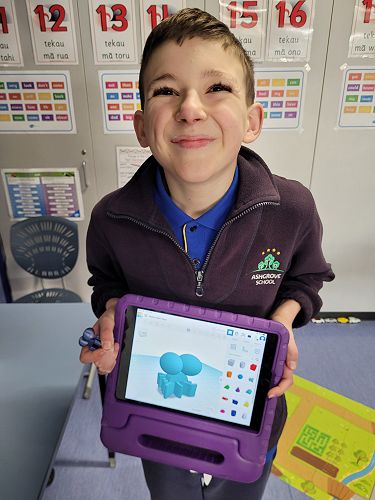
At the end of the process ākonga have a tangible 3d printed design that they have made which has high currency in motivating ākonga in the learning process and provides deeper understanding as to how their decisions have changed the final product.
Student voice:
"I learnt how to make tools."
"I learnt how to make glasses; it was good. They hurt my body because they were rough."
"Dad liked his keychain."
"With some little progress you can make a lot of things."
"I've learned how to make glasses & keyrings."
Gallery