Exploring PMP and Primitive Reflexes in the Junior Team
The Juniors are participating in PMP (Perceptual Motor Programme) and Rhythmic Movement Therapy as part of their class programme.
The Junior Team have set up a timetable that includes a Perceptual Motor Programme (PMP) and Rhythmic Movement Therapy and are seeing wonderful sucesses with their tamariki.
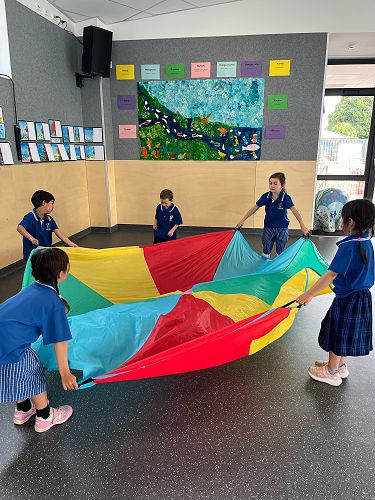
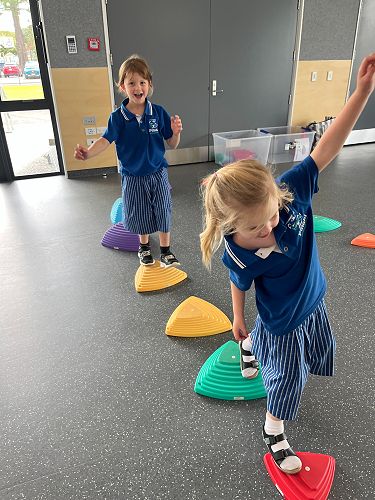
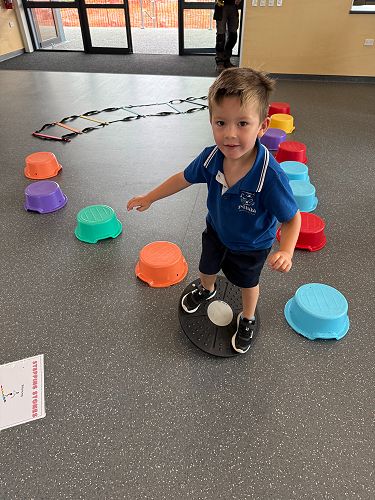
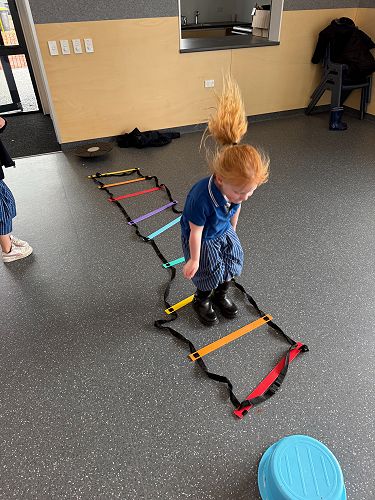
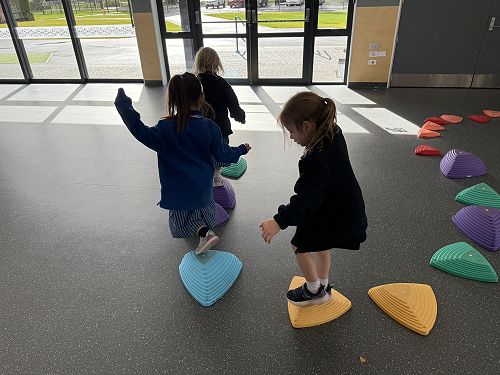
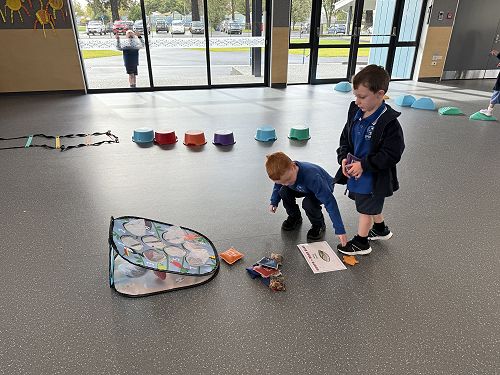
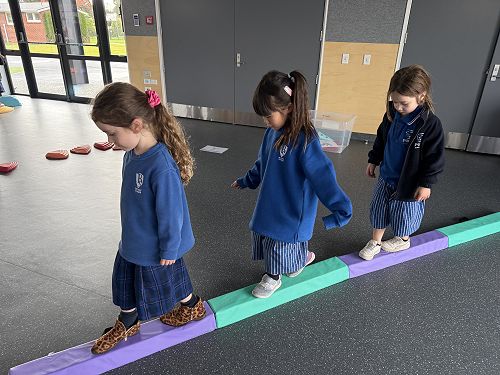
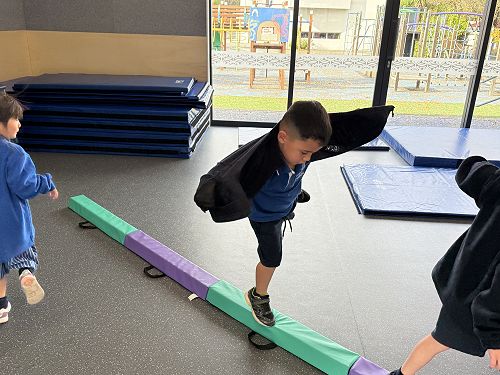
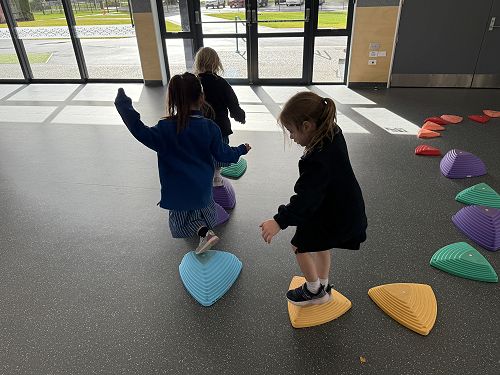
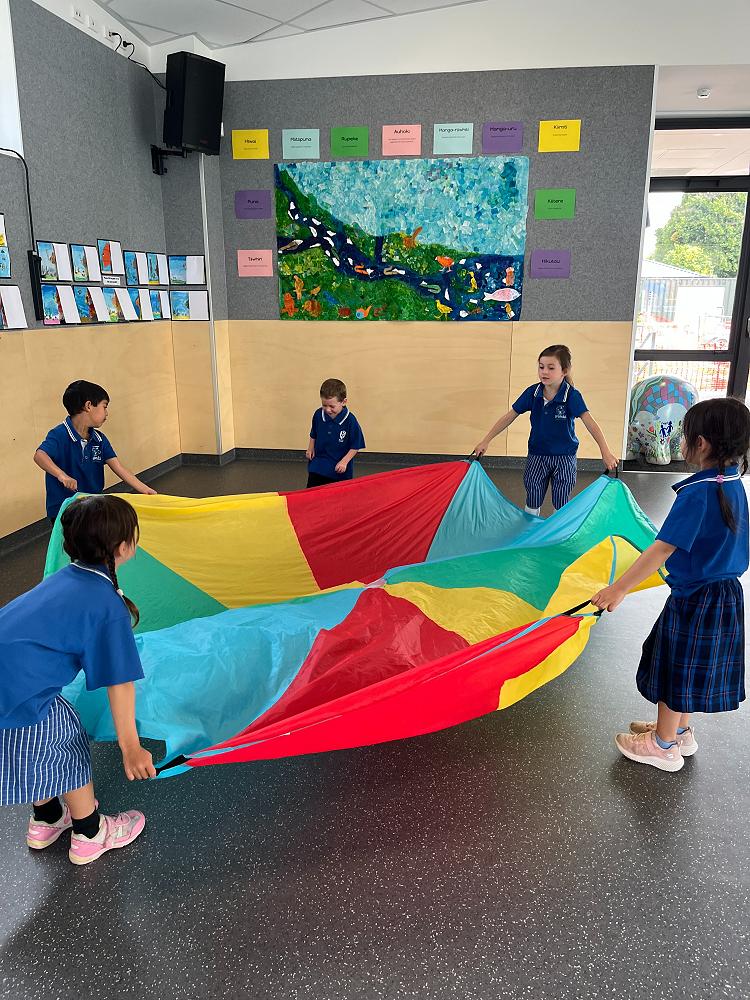
PMP is a structured movement program that combines perceptual skills with motor skills to enhance children's physical and cognitive development. By engaging in PMP activities, students can improve their coordination, balance, sensory integration, and overall motor skills. These exercises are not only fun and engaging but also play a crucial role in enhancing students' learning abilities.
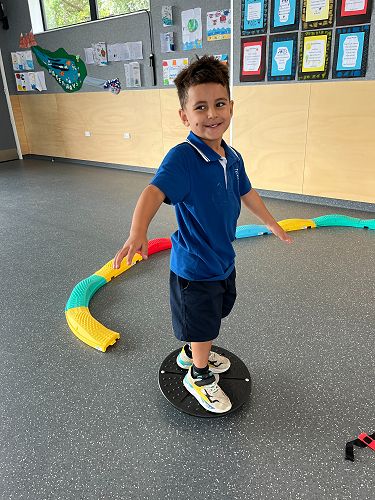
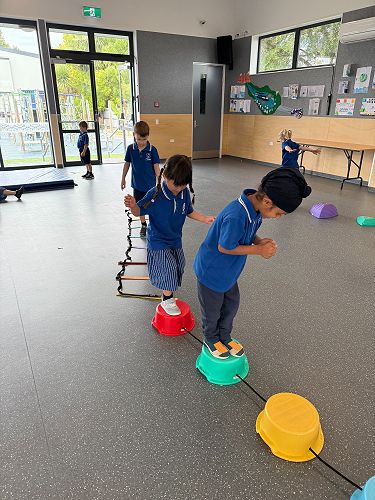
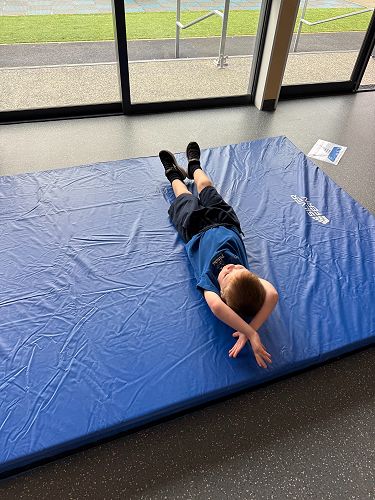
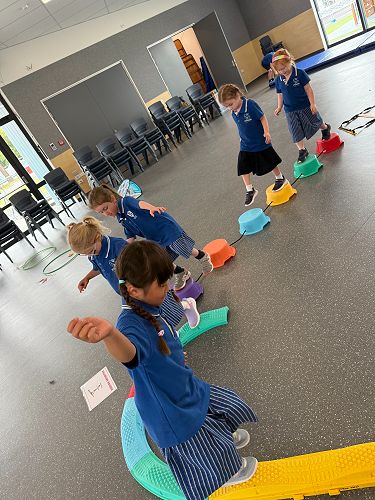
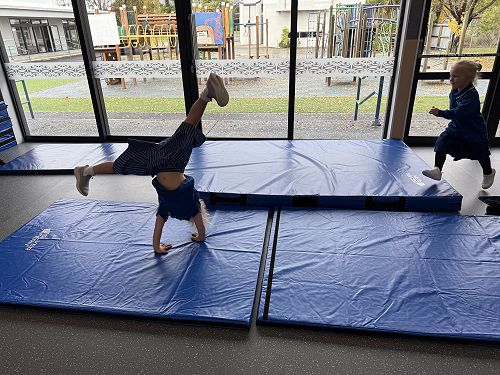
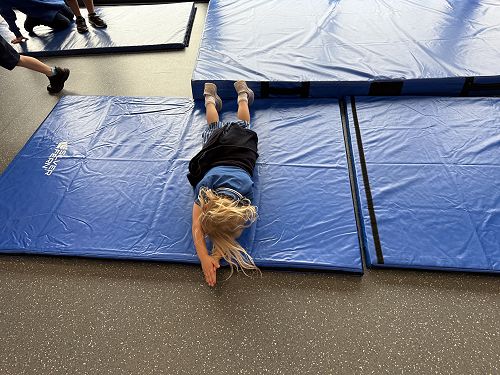
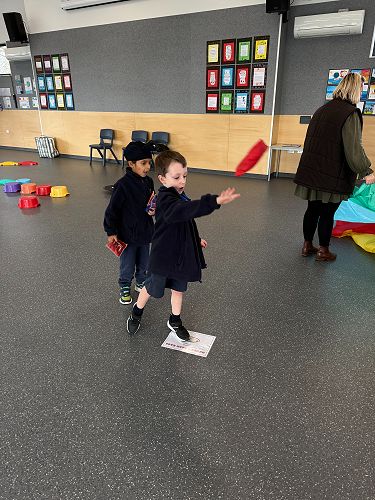
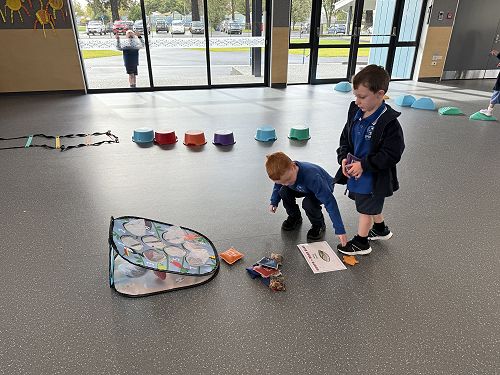
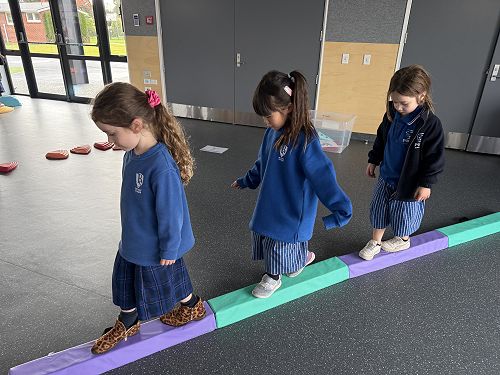
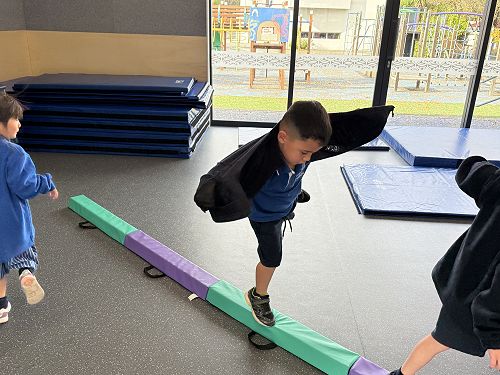
Some of the activties we have set up involve low balancing equipment, parachutes, bean bags for throwing and soft mats for rolling, jumping and tumbling.
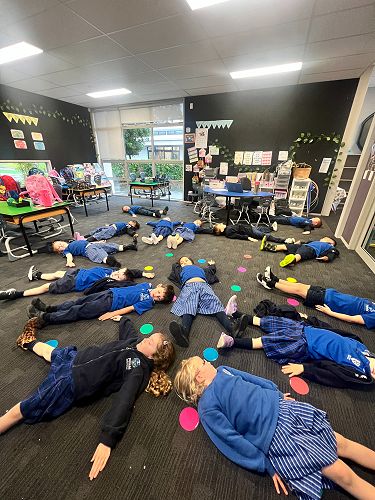
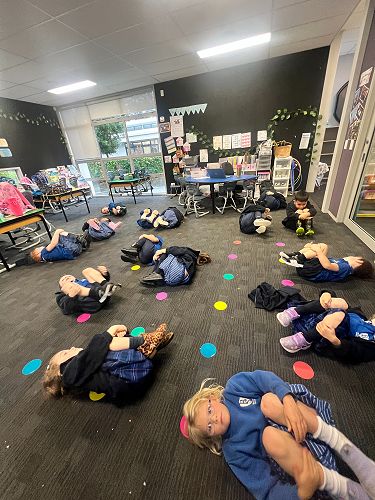
Rhythmic Movement Therapy is something we have introduced in the Juniors this term to help children with retained Primitive Reflexes. These reflexes are automatic movements that are present in infants and young children. However, in some cases, these reflexes persist beyond infancy and can interfere with learning and development. By doing specific exercises designed to inhibit primitive reflexes, school children can improve their focus, attention span, and fine motor skills. These exercises help rewire the brain, enabling children to overcome developmental challenges and reach their full potential in the classroom.
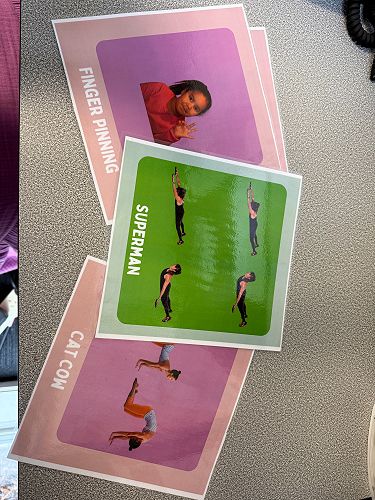
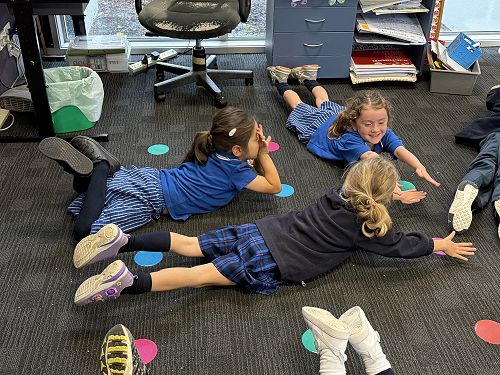
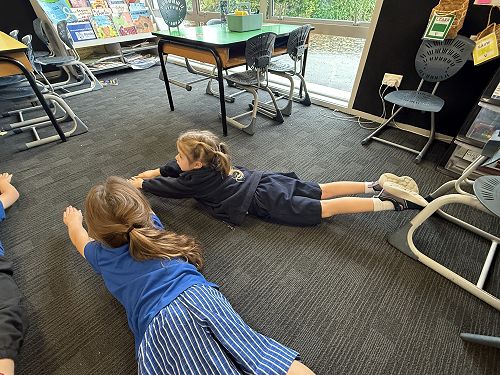
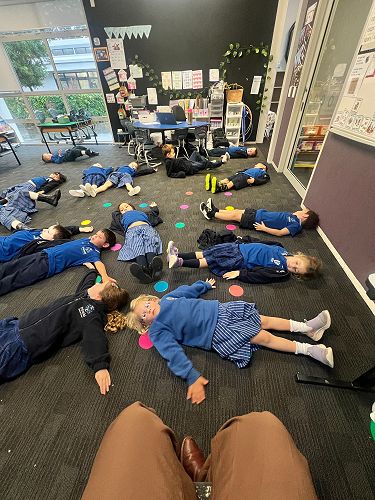
The Junior children have been learning and participating in a range of rythmic movement excercises including "Crab Pinches" with their fingers, a "Superman" movement on the floor, "Cat and Cow" pose (like the yoga movements), Snow angels and Mountain climbers. The children have been very engaged in these sessions and have already shown great improvement in their ability to perform these movements.
By doing both of these programmes we are hoping to see increased fine-motor skills, better concentration, improved coordination with cross body movements and an overall better abilility for children to cope with the high demands of a learning classroom.
Gallery