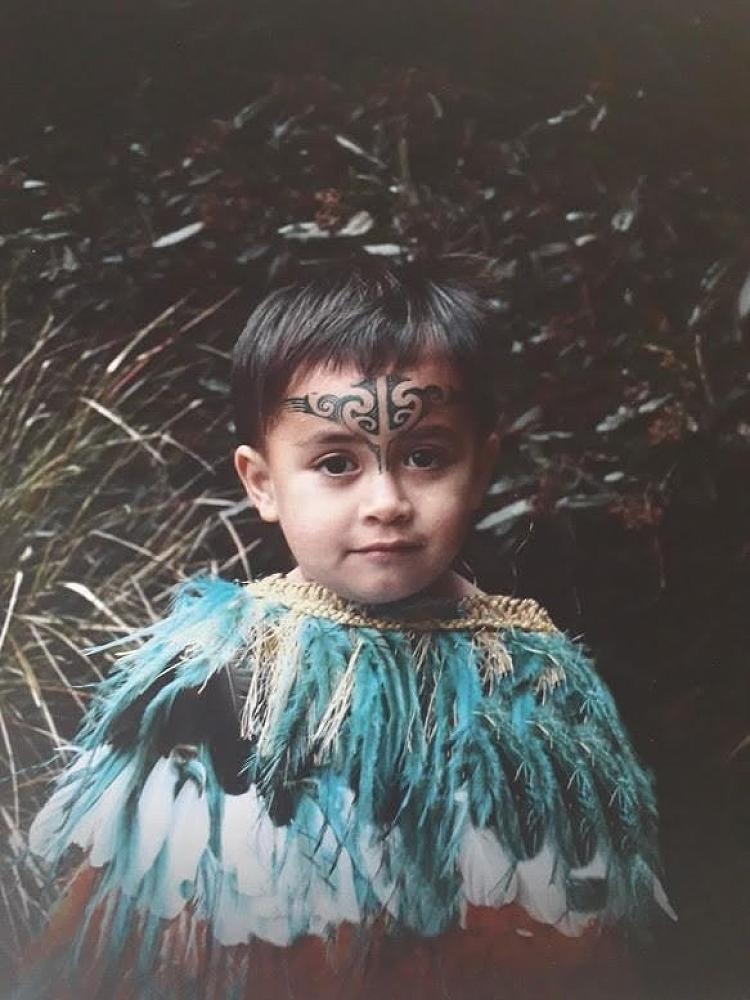
Whakamanahia te tamaiti, honouring the child, honouring equity.
I sit and consider this statement after dropping off my tamariki at to Te Pā o Rākaihautū this morning, also mulling over the news of the new ‘Green School’ and its controversial funding support.
Whakamanahia te tamaiti, honouring the child, honouring equity.
“We know Māori students do much better when education reflects and values their identity, language and culture”. (Ka Hikitia –Accelerating Success 2013–2017, MOE, 2013).
I sit and consider this statement after dropping off my tamariki at to Te Pā o Rākaihautū this morning, also mulling over the news of the new ‘Green School’ and its controversial funding support.
On arrival at Te Pā o Rākaihautū this morning I was greeted by Matua Tauira - the kaiurungi (principal). He wasn’t sitting behind a desk, nor was he wearing a suit, nor did he have a cup of coffee in his hand - on the contrary. He smiled, said “Kia ora” and started a conversation, all with a broom in his hand. Most mornings before the school day has begun, you will see Matua Tauira at the front of Te Pā o Rākaihautū, broom in hand, greeting whānau with a warm kōrero (chat) and sweeping the leaves at the front of the pā ātea (area at the entrance to the pā- village). At this time in other schools, the principals may be busily replying to emails, ensuring students are getting to their respective classrooms on time or asking their ākonga (student’s) to tuck their shirts in. Yes, having the leaves and dust swept aside at the front of the whare (building) is important and reflects manaakitanga (a sense of care), but it is more than this; it is about whanaungatanga (relationship). Matua Tauira is allowing a space for open kōrero, an informal chat with whānau (families), a wave and “Kia ora” to mātua (parents) who can only afford a swift drop off of their tamariki (children) before heading off to mahi (work). It is about being present, he kanohi kitea o te pā (physical presence of the pā). This is tika, the right thing to do.
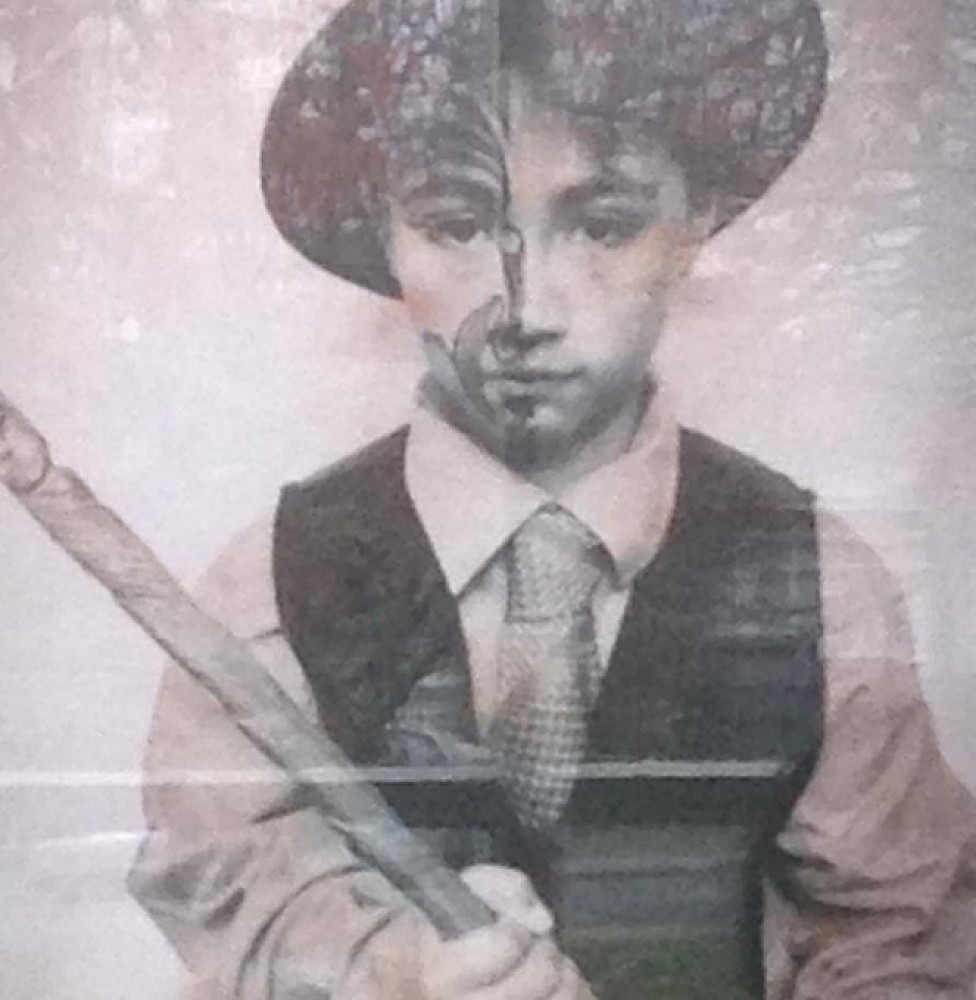
Through the hallways of Te Pā o Rākaihautū you feel the mauri (essence) of the different entities that make up the pā. The beautiful portraits of individual pononga (students) are displayed, donning both traditional Māori and Western dress representing their tūpuna (ancestors) and tūpuna aspirations. The essence of each pononga, their mana (prestige), their strength and personality revealed for us all to see. As you wander around the pā, it wouldn’t be unusual to hear the sound of tamariki laughing and playing, a guitar strumming, te reo Māori being spoken and whānau engaging. You will see tamariki of all ages, from Nōku Te Ao Early Learning Centre pēpi (babies), through to taiohi (adolescents) who will go on to carve their own paths out in the world. Te Pā o Rākaihautū is unique, it is different and designed to be so. It is a 21st century pā wānanga (learning village) for the whole whānau. The philosophy of Te Pā reflects the notion of redefining education and redefining educational success through restoring language, and connecting or reconnecting with identity and culture. This is pono, staying true to the kaupapa; honest the kaupapa (agenda) of true Māori potential.
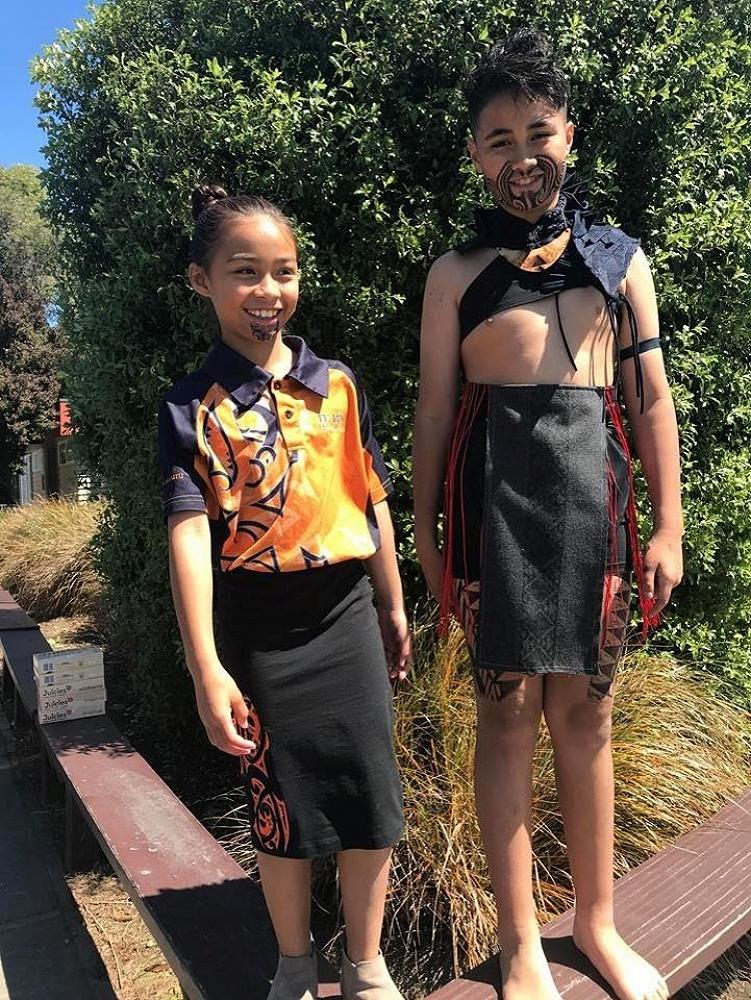
When you enter Te Pā o Rākaihautū, you walk into Te Pūmanawa. Pūmanawa literally means the beating heart, this is an area where you see pononga, kaiārahi (teachers), whānau and others of the pā community coming together. In the Pūmanawa is a large shelf, filled to the top with awards, trophies and different tohu (honors), signifying success. In terms of the life of educational environments, Te Pā o Rākaihautū is in its infancy, merely established in 2015. Born out of a desire from the Māori community, particularly whānau connected to Te Ahikāroa Kapa Haka group and others to create a new and different option for their tamariki to be Māori and succeed as Māori. For many ākonga Māori, they turn off their culture at the gate - diminishing their true self and whakapapa (ancestry). The pononga at Te Pā o Rākaihautū celebrate being Māori every day. In Te Pā’s short time, the pononga have won awards in secondary and primary regional kapa haka competitions, competed in national kapa haka competitions, won Manu Kōrero, and have achieved numerous sporting and educational accolades. Yes these achievements are important, but just as important are the successes that are not on the shelf. The anecdotal stories about mokopuna (grandchildren) teaching their nanny and koro (male elder) te reo Māori (Māori language) at home, tamariki intrinsically knowing how to manaaki (care for) and demonstrate aroha (empathy) during tangihanga (funerals), pononga spontaneously breaking in to haka in support of a kaupapa (event/initiative), pononga that can tell you the stories of our land. These are successes, unfortunately to some however- not valued on par with Western forms of achievement. Statistics show that Māori student achievement in Māori educational environments outweighs that of English medium. Kāore te kumara e kōrero ana mo tōna ake reka. The kumara does not brag about its own sweetness. Te Pā o Rākaihautū may not be perfect, no school is, we acknowledge areas for improvement, but in a space where Māori education is often forgotten about, sometimes we have to say ‘we’re a pretty sweet kumara’ because our tamariki deserve that.
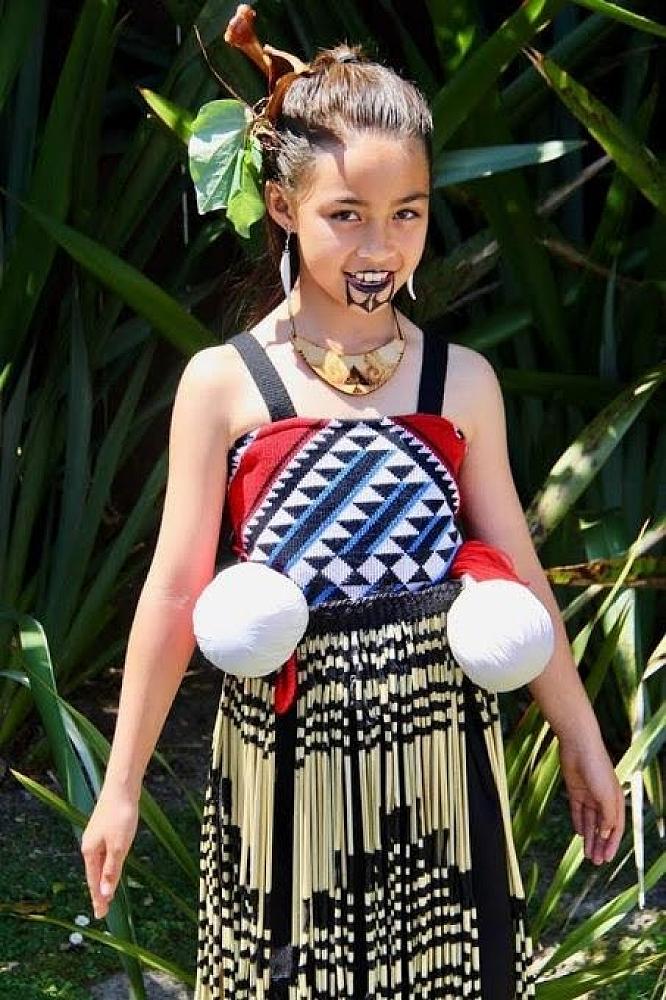
Te Pā o Rākaihautū often attracts taiohi who may not have had positive experiences in the English medium system, where their full potential hasn’t necessarily been reached or explored - often where identity, language and culture haven’t been valued. Te Pā o Rākaihautū have a waiting list of over 100 pononga of all year levels. This form of education is wanted by many. Unfortunately the door is closed to many whānau because we are at full capacity on our current site, leaving those that have a real desire for this form of Māori education still wanting. Their preference and their choice has been taken away. Unfortunately this isn’t aroha.
Ka Hikitia- Ka Hāpaitia, the refreshed Māori Education Strategy (MoE, 2020) was released this year. The backdrop to this is a global pandemic and the 2019 Christchurch terrorist attacks that both shook Aotearoa to its core, and broke our hearts. One might get the sense now that the tone is shifting away from the beautiful, harmonious wairua that started this piece, to a slightly more realistic one. Everything written previously is pono, it is truthful, yet it doesn’t provide the wider context. The Outcome Domains of the Ka Hāpaitia strategy are Te Whānau: education provision that responds to learners within the context of their whānau, Te Tangata: Māori are free from racism, discrimination and stigma in education, Te Kanorautanga: Māori are diverse and need to be understood in the context of the diverse aspirations and lived experiences, Te Tuakiritanga: Identity, language and culture matters and Te Rangatiratanga: Māori exercise their authority and agency in education. Here I reflect on the first two outcomes.
Te Whānau: education provision that responds to learners within the context of their whānau
We are a pā. Our whānau are invested. When Te Pā o Rākaihautū have celebrations, hui (gatherings) and fundraisers we are bursting at the seams. In a world where Covid19 is at the forefront of our minds, our pā response was about safety and wellbeing. At a time when some schools were worried about academic success, our pā was ensuring whānau were fed, had all necessities, had working Wifi connection, had Wifi boosters, and that we were in regular communication with whānau to ensure they were okay. Weekly hui-ā-pā (pā-wide hui) were instigated using Zoom from the home of our kaiurungi and our whānau were digitally connected, we were able to conduct karakia (prayer) and waiata (songs) together to uplift our wairua (spirit). A sense of community and whanaungatanga remained.
Te Tangata: Māori are free from racism, discrimination and stigma in education
Te Pā is a place where you can be proud to be Māori, a space that may be deemed anti-racist in an education system that hasn’t previously performed for Māori.
When Te Pā o Rākaihautū was established, the Ministry of Education gave Te Pā the old Richmond School site with an aspiration to grow and move to a permanent site. These were humble beginnings, with whole school hui being conducted in a marquee outside. Numbers grew and the school moved to another temporary site, the old Linwood Intermediate school site. Linwood Intermediate was closed in 2014 following the Christchurch Earthquakes, many of the buildings had earthquake damage and some needed strengthening. Te Pā o Rākaihautū continued to grow, and now at full capacity there is a growing waiting list of over one hundred tamariki and rangatahi (youth) waiting to get in. Whānau are being turned away, is this equitable? Whānau want Māori education for their tamariki- at Te Pā, and we can’t cater to this. A lengthy struggle with the Ministry of Education for an appropriate permanent site allowing for growth has not eventuated, we still have old, not-fit-for purpose buildings which is disheartening for our whānau.
Our pononga and whānau look at their pā; they grew this. Our kaiārahi, whānau and pononga have grown māra kai (gardens) and Te Tautarinui o Matariki (Board of Trustees) have purchased furniture off Trade Me to create a bright, collaborative and engaging learning environment. We have done this, our pā has grown from whānau contribution and limited ministry assistance, is this just? New school rebuilds have been erected all over Christchurch, yet our pononga and whānau wait, is our kaupapa of lesser value? We know the answer is no, but when we are continually given the run-around, it does seem like we are the forgotten other. How can our tamariki/ rangatahi feel empowered and as good as everyone else when they have an old school, have been plonked on temporary site after temporary site and English medium schools are being built brand new all around them? I used to joke that my eldest child, who started on the first day Te Pā o Rākaihautū opened in January of 2015, may not experience Te Pā’s permanent site- not truly thinking this will happen. Now it’s not funny, it’s not a joke. Now it is highly likely.
One year on from the most horrifying and callous events that have occurred in our own city in modern times, the Christchurch Mosque attacks, we reflect on the bravery and aroha (love and compassion) of our Muslim whānau. Te Pā o Rākaihautū were situated very close to the attacks that day. Our younger pononga were playing at Tākaro-ā-poi (Margaret Mahy Park), our older pononga were at the Climate Change rally in the city centre fighting for the survival of our planet whilst our Muslim brothers and sisters were fighting for their lives. The remainder of the pononga were onsite at Te Pā in Linwood. All pononga safely returned back to Te Pā, only to learn that the attacker had continued on the same trajectory. The Linwood Mosque attacks occurred only two streets, a two minute drive from Te Pā o Rākaihautū. Both Linwood Avenue School and Te Pā o Rākaihautū were the closest schools in proximity to the Linwood Mosque. Whilst other schools were receiving information to lockdown, Te Pā o Rākaihautū was not given direction. We were less than one kilometre away, and authorities had essentially forgotten about our pā. The atrocities of that day will never be forgotten, nor will the courage, aroha and unity of the Muslim people. To think back on this now, the proximity of danger to our babies, and the neglect of appropriate authorities to inform and direct is mind-blowing. A sense of ‘the forgotten other’ is certainly mounting.
Now back to the media coverage of the ‘Green School’. This school is being looked at critically and judgement placed on the large funds offered to this new venture, particularly when various other deserving educational settings need money desperately. The rapid decision making to get this school established is hard to fathom, particularly when most kura Māori take years, and years, and years to get off the ground. I am not in opposition to the philosophy of the Green school, in fact I applaud it. I do suggest however that many kura instil similar notions of manaaki whenua (care for the land), and sustainable practices with very little funding support. Our pā grows kai (food) in extensive organic gardens that were established by whānau, these gardens serve produce in the whare kai (dining room) which our pononga eat daily. Sustainable cleaning products are used in the whare kai made from citrus food-waste, and we have composting systems for our food waste that fertilize our gardens. Our place based learning is an important aspect of our pā. In many ways, we are a ‘Green School’. Arguably many other kura replicate these pedagogies, yet one ‘Green School’ is seemingly worth more than the other? Is this tika (right)?
Te Pā o Rākaihautū aims to enact, display and teach tika, pono and aroha (integrity, respect and compassion). We have listened, we have followed processes in engaging with the ministry, and we have attempted to show integrity and aroha. The response and commitment from those that we have engaged with towards the sustainability and progression of our pā wānanga has not been founded on tika, pono or aroha. It’s time regain and retain tino rangatiratanga (self-determination). We have invited the Ministry of Education to our pā, we want to rebuild the relationship and create an effective Māori- crown, partnership under Te Tiriti o Waitangi. Kura celebrating Māori philosophies and pedagogies have often experienced challenges and difficulties when engaging with the ministry, resetting the relationship between Te Pā o Rākaihautū and the Ministry of Education could form an exemplar for ongoing engagements. We are yet to hear a response in regards to this invitation.
Before finishing, I reflect on this quote again “We know Māori students do much better when education reflects and values their identity, language and culture”. (Ka Hikitia –Accelerating Success 2013–2017, MOE, 2013), and I leave this message “What’s good for Māori is good for everyone, but what’s good for everyone is not necessarily good for Māori”. (Bishop & Berryman, 2011).
Tū ki te ao, tau ana!
Nā Kay-Lee Jones
References:
Bishop. R. & Berryman. M (2010) Te Kotahitanga: Culturally responsive professional development for teachers. Routledge Taylor & Francis Group
Ministry of Education. (2013a). Ka Hikitia Accelerating Success 2013-2017, the Maori Education Strategy.
Wellington: New Zealand Government.
Ministry of Education. (2020). Ka Hikitia – Ka Hāpaitia, the Māori Education Strategy.
Wellington: New Zealand Government.