Engaging Reluctant Readers
HOW CAN YOU MOTIVATE TAMARIKI TO READ? All reading is good reading. Here are tips to make reading an enjoyable experience, and get started!
Engaging Reluctant Readers
The New Zealand Reading Association and the New Zealand Association for the Teaching of English, have put together some ideas which may help whānau help their tamariki become successful readers and writers.
HOW CAN YOU MOTIVATE TAMARIKI TO READ?
Expect success
* Expect that your tamariki will become successful readers and writers.
* If your tamaiti is not enjoying success in reading and writing contact their Kaiārahi and together work out what specific things can be done to help your tamaiti improve.
* Remember that previous difficulties in reading and writing can be overcome.
Model reading and writing
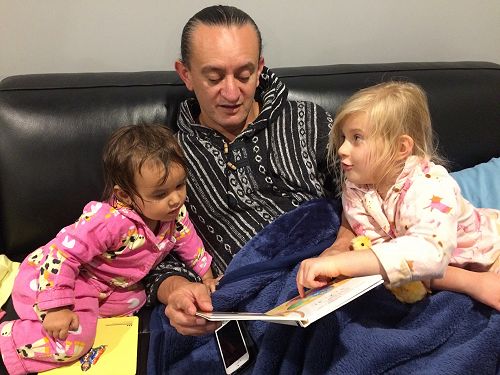
* One of the most important things you can do to help your tamariki become successful readers and writers, is to be seen as a reader and writer yourself. Boys especially need to see their "heroes": their dads, uncles and sports stars, as people who enjoy all sorts of reading and writing.
* Tamariki must believe that reading and writing are "cool" things to do. Show them that you value and enjoy reading and writing.
Provide rewards
* Focus on what tamariki can do instead of what they can't do.
* Read your tamariki books so that you can talk to them about their reading. You might find you'll enjoy some of the neat books available.
* Provide taiohi with a reading budget to spend on reading materials of their choice and/or take your tamariki to the library so that you can all get books.
* Consider letting tamariki have the light on later than usual if they read.
* Never use reading as a punishment.
Make it fun
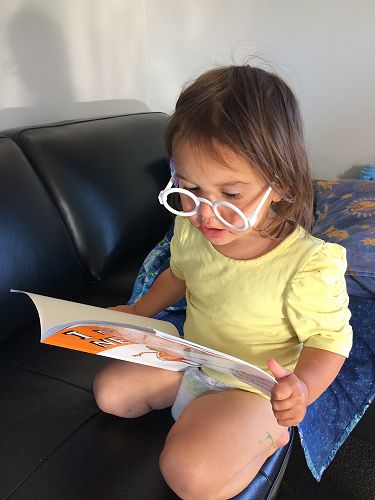
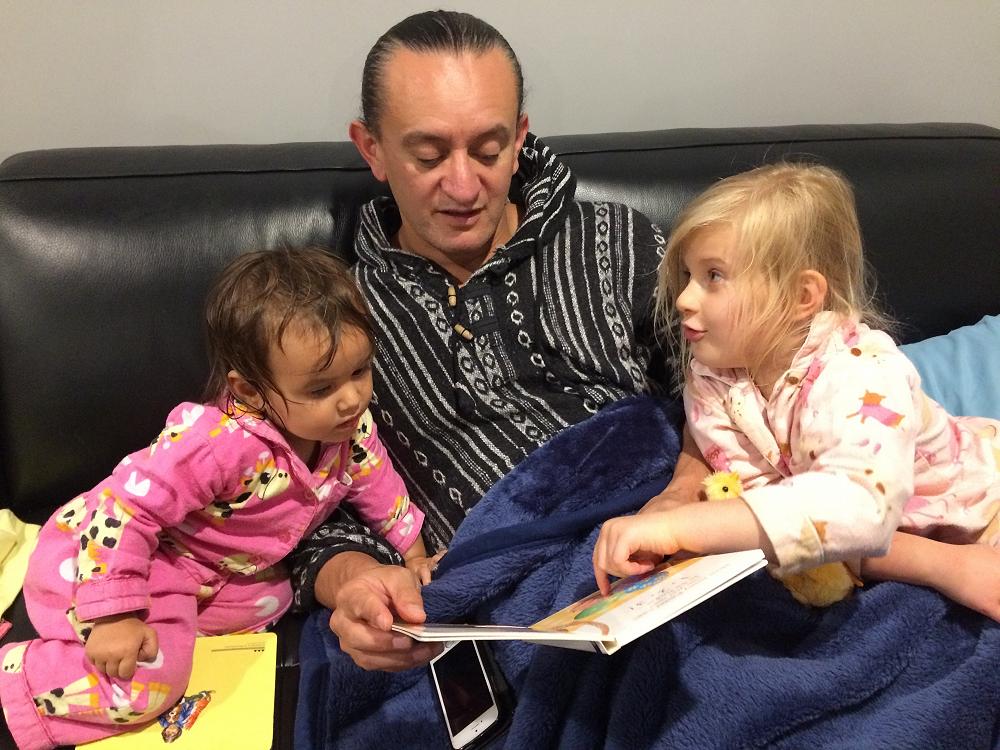
* Reading and writing should be fun and a shared activity.
* When tamariki bring home books to read, try to find time to read together. If possible make this a time when you are all relaxed. Reading should not be a chore to be fitted in when tamariki or matua are tired and hõhā.
* If the book is too hard or your tamaiti too tired, put it away and try again at another time or replace it with an easier book.
HOW CAN YOU HELP TAMARIKI BECOME BETTER READERS?
Build on what tamariki know
* Talk to the Kaiārahi about your tamaiti. Share information about them: their first language, their interests, what they can already do and your whānau beliefs.
* In return, ask your Kaiārahi for information that describes what your tamaiti can do, as well as the challenges they are facing. This sharing of information is more valuable for their learning than assessment that simply compares performance with other tamariki of the same age.
Encourage Risk Taking
* Tamariki need to be encouraged to take risks so that they can learn from their mistakes. Tell them that making mistakes is a natural part of learning.
* Encourage your tamariki to "have a go". This is not guesswork but helping tamariki to use the knowledge they have to work things out for themselves. For example, you could ask a beginning reader:
"What would make sense?"
"What letters can you see that you know? "
"What sounds do they make?"
"Do you know any other words that start like that?"
"What little words can you see (in a big word)?"
"Let's go back and read it again."
Encourage independence
* Saying things like "I really like the way you worked out that word" can encourage independence.
* Encourage tamariki to write all of the words that tell their message - not just the words they can spell successfully.
* Help tamariki to spell correctly by asking questions like:
"What sounds can you hear? at the beginning, middle or end?"
"Say the word slowly. Write the parts you can hear or see in your mind".
* Show tamariki which parts of a word they got right not just the parts they got wrong
* If you have a dictionary, show your tamariki how to use it and let them see you using it.
* Help tamariki develop their ideas in writing by asking questions such as:
"What else happened?
"Why do you say/feel, think that? "
"Can you tell me more about...?When/where....?
"How does it look/feel/ sound?"
"What is going to happen next?"
Accept That Tamariki Learn In Different Ways And At Different Rates
* Use a range of ways to help your child with reading and writing and drop the things which don't work. Try ideas such as:
reading to and with your tamaiti
making predictions about stories and encouraging tamariki to make
predictions
word games and problems
finding rhymes and repetition in stories
Remember If Tamariki Don't Use It, They'll Lose It!
* Tamariki learn to read by reading and learn to write by writing. Try to provide plenty of opportunities for your tamariki to practise reading and writing for real purposes and for fun (eg thank you notes, pros and cons columns for decision making, short diary entries, shopping lists, calendar notes for special events, reminder notes, lists for party invites etc).
CHOICE OF READING AND WRITING MATERIAL
* Try to provide a wide range of reading material: books from the local library, comics, magazines, newspapers, emails and postcards, as well as information from the Internet if you have access to it.
* Encourage your tamariki to write letters, and emails to friends and family and encourage friends and whānau to respond.
* Play scrabble with your tamariki.
* Remember that tamariki become better readers with the more "reading mileage" they get. For reluctant readers especially, all reading is good reading. So concentrate on helping to make reading an enjoyable experience first and worry about introducing them to "good" literature later.
Gallery