
Hauora - Kia Mataara!
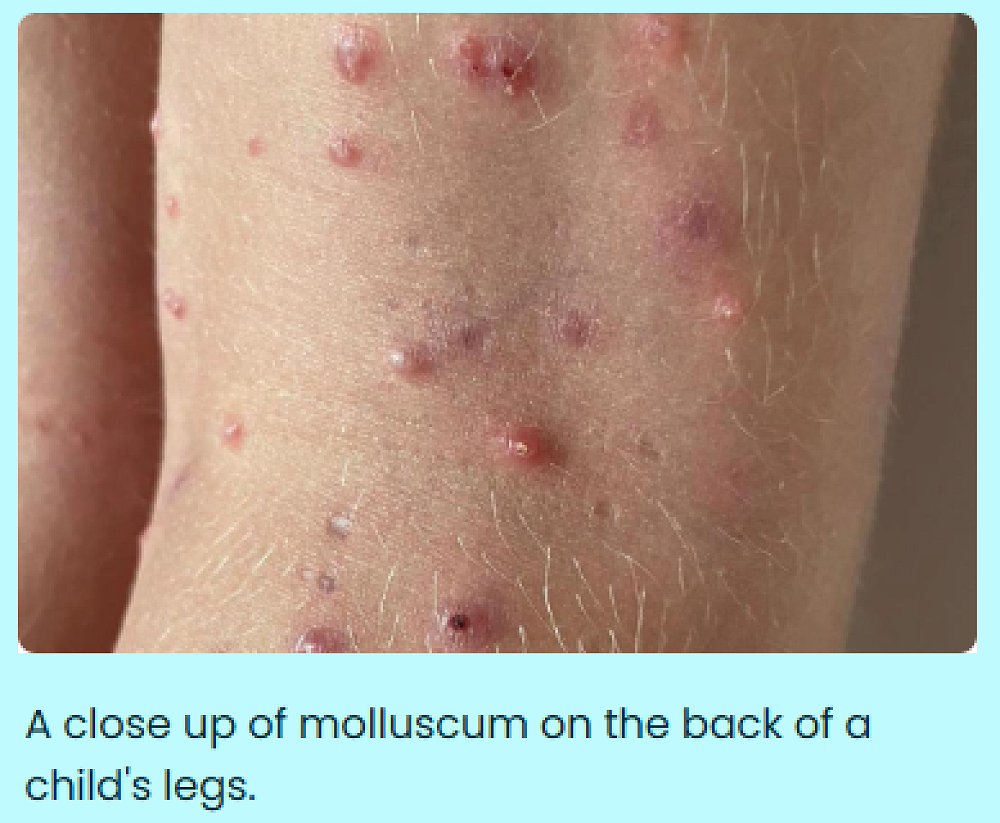
Molluscum contagiousum (molluscum for short) is a skin infection that is common in tamariki. It causes small raised bumps that can appear anywhere on the body. Molluscum spreads easily around the body and between people. It is caused by a virus.
It is urgent that we all encourage and highlight the importance of handwashing hygeine to our tamariki as this is the 3rd type of infection affecting the skin now within our community. Please see the links for more info:
Molluscum Contagiosum In Children | KidsHealth New Zealand's Trusted Voice On Children's Health
Molluscum contagiosum: Causes and treatment — DermNet
Molluscum contagiosum (viral skin infection) | Healthify
Points to note:
It is a common childhood virus and can show up on otherwise healthy tamariki.
Tamariki can still attend kura with the spots, but covering them with clothing or bandages is recommended to help prevent spread and to protect the spots.
It is usually harmless, though the spots can be annoying and itchy, and people generally don’t like the look of having spots on their skin.
The spots clear up on their own and generally don’t require treatment.
Treatment is aimed at removing the spots (much like wart treatment), but does not cure the virus or stop more spots from appearing.
It is contagious, but most people over the age of 10 will have had previous exposure to it and are unlikely to develop spots when exposed to someone with them.
It is passed skin-to-skin, or via shared use of clothing, bedding, towels etc.
Scratching, picking or squeezing the spots isn’t recommended as it can lead to the spread of the spots, bad scarring, or to bacterial infection.
For some people, the spots can leave a scar behind when they heal, even if they did not scratch/pick/squeeze them.
There is no specific prevention or cure, but good hygiene and keeping in good health are good protection measures for all viruses.
If whānau are worried about any spots they see on their tamariki, if the spots become infected, or if they are just not sure what the spots are, they should take their tamariki to the GP.
Nehi Elizabeth at the Pā on Rātū/Rāmere can talk to any pononga/whānau who are worried about any health issues.