Te Puna Waimarie ki Rāpaki
Te Puna Waimarie Tuakana Noho Marae & Tau 8 Whakanuia ki Rāpaki
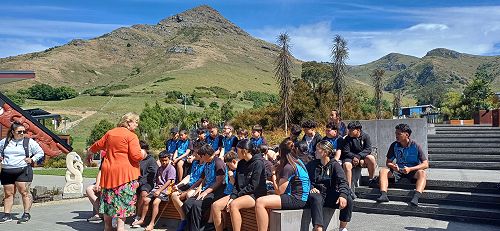
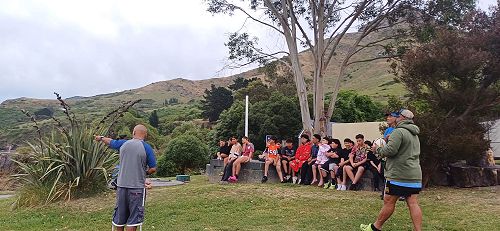
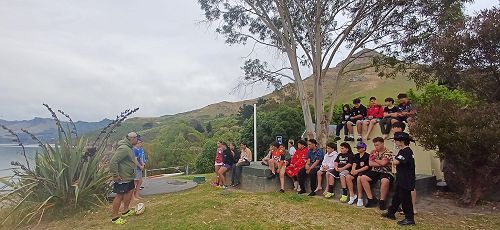
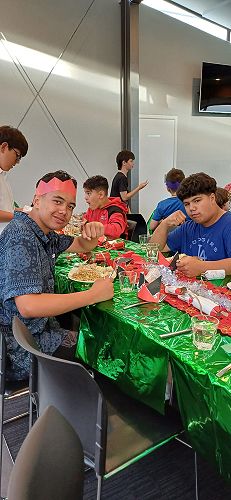
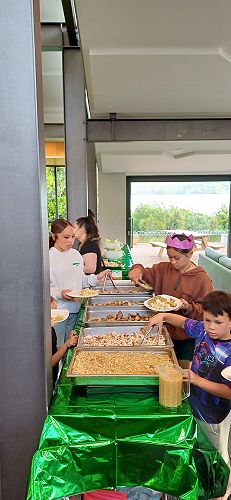
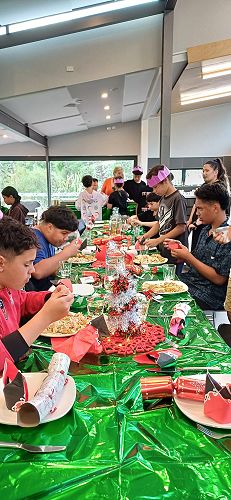
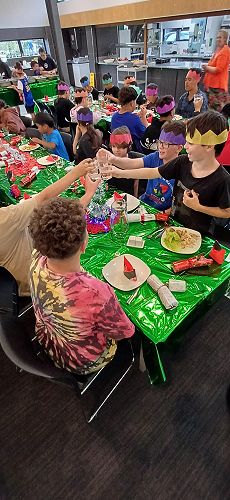
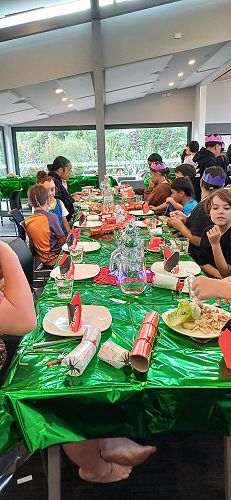
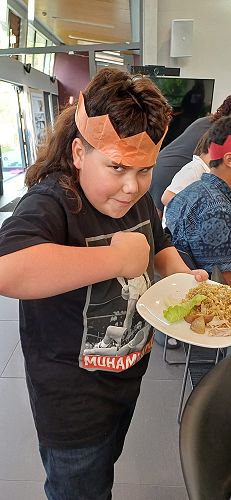
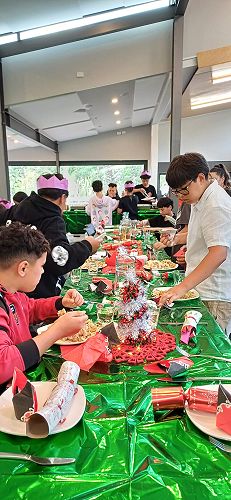
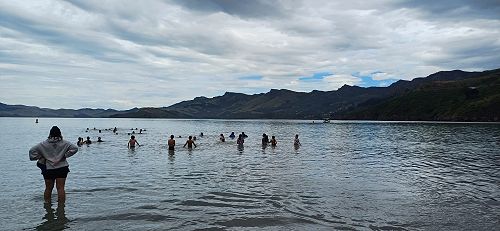
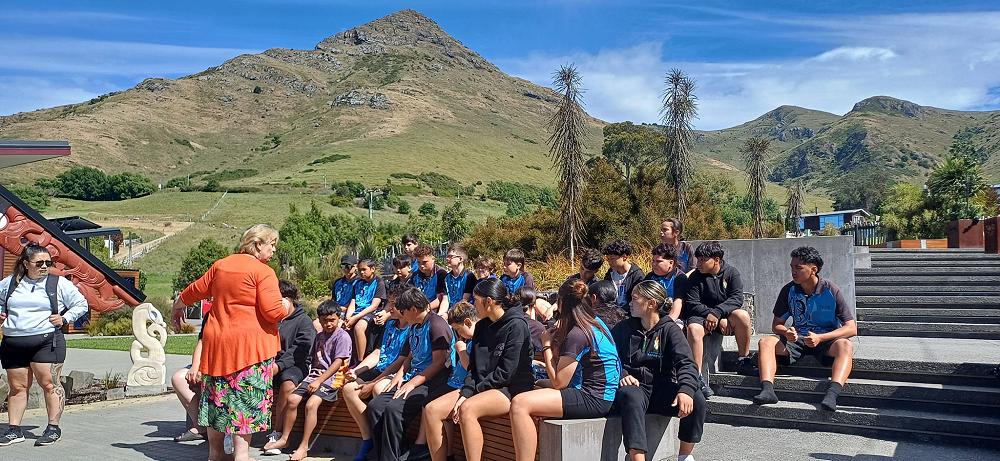
A part of our end of year celebrations included a stay over at Rāpaki Marae for our Tau 7 and 8. It was a time to celebrate, reminisce and spend some time together before the holidays. Dinner was an amazing christmas special and the next day we were also joined by our teina in Te Puna Waimarie, our tau 5 and 6. There were many great activities planned for our stay and it's great to be back at our pā, Rāpaki overlooking Te Rāpaki o Te Raki Whakaputa.
Mātauranga - Whenua Maori
Atua - Whenua Tane - Hinetupari maunga
Ko Te Poho o Tamatea Pokai Whenua te mauka.
Ko Whakaraupõ te moana.
Ko Takitimu, ko Uruao, ko Makawhiu ka waka.
Ko Te Raki Whakaputa te takata.
Ko Kai Tahu te iwi.
Ko Kati Wheke te hapa.
Ko Wheke te whare tipuna.
Ko Rapaki te marae.
Te Poho-o-Tamatea is the distinctive mauka overlooking Rapaki that commemorates the actions of the famous explorer Tamatea Pokai Whenua. Although he came from Hawaiki on the Takitimu, he is not to be confused with the captain of that waka who was Tamatea-Ariki-Nui. Tamatea had many adventures on his travels throughout Aotearoa.
By means of karakia, Tamatea appealed for help to Ngatoroirangi, ariki of the northern volcanoes of Tongariro and Ngauruhoe. Ngatoroirangi sent ahi tipua (volcanic fire) from his mountains to Tamatea. The flames came down and burst out as a blaze above the hills overlooking Whakaraupo, giving warmth to Tamatea and his travelling party. The actions of Tamatea are commemorated in several names throughout Whakaraupo, including Te Poho-o-Tamatea ("The Breast of Tamatea").
Te Rakiwhakaputa laid down his rapaki and laid claim to this land, they thought about the meaning and naming of place; the significance of home, the relationship of whenua' to tangata whenua.
Maeroero/Maeroero-Rapuwai: Lived in the bush and would fish with their fingernails in the shallow bays. They would warn Māori not to come too close, they played their flutes near Akaroa. Descendants of Rapuwai, lived on the Banks Peninsula until the arrival of the Pakeha.
Gallery