Mātauranga Māori in English and the Visual Arts
Mātauranga Māori in the English Curriculum Area
The whakataukī “ko te reo te tuakiri, ko te reo tōku ahurei, ko te reo te ora” is at the heart of the English curriculum.
Simply put it states that “language is my identity; language is my uniqueness; language is life.”
It will be of no surprise to you that the study, use and enjoyment of language continues to be the cornerstone of all we do in English.
Learning about language and literature from both Aotearoa and around the world enables our learners or ākonga to build literacy, walk in different worlds, access the thoughts and perspectives of others, and make linguistic and cultural connections.
While we explore texts from the literary canon, engaging with mātauranga Māori through the creation and interpretation of texts is also important. It provides us important opportunities to strengthen the knowledge and understanding of te ao Māori and Māori perspectives. Why do we believe that this is important? Through the literatures of our tangata whenua and Pasifika neighbours, we understand where we have come from, who we are, and what it means to live in the Pacific nation of Aotearoa New Zealand.
We might, for example, use a mātauranga Māori lens to gain a contemporary view of a Shakespearean text. Imagine examining Macbeth with a Māori focus on leadership, comparing an individual versus a collective attitude towards responsibility.
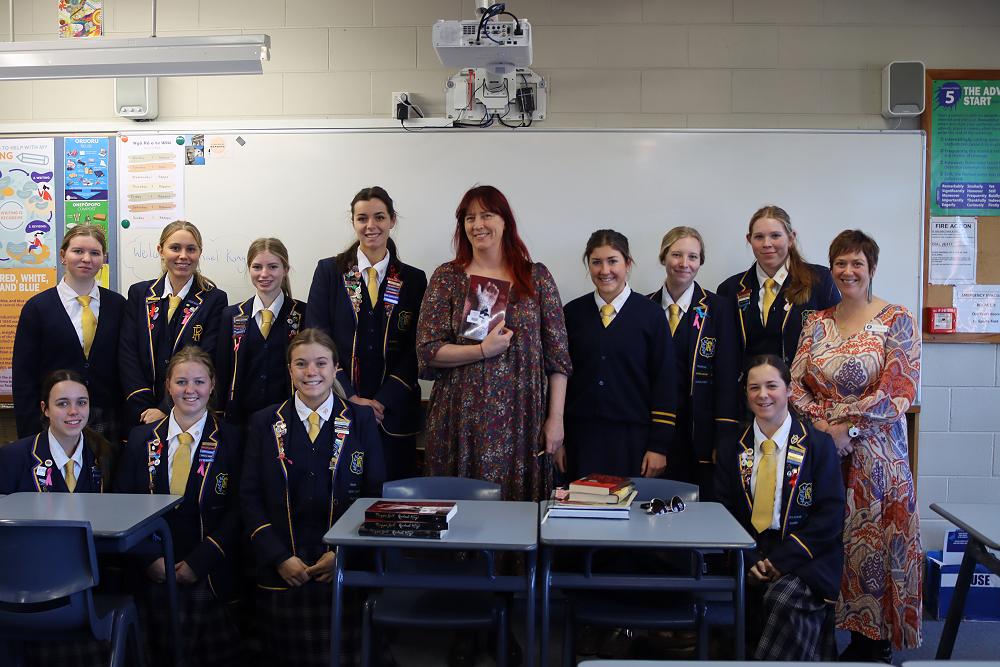
Recently, a Year 13 English class has been exploring the novel Magpie Hall by Rachel King. The novel has been read with a Settler Gothic lens where the writer poses this question: can we truly be free of our past until we examine our colonial history?
Similarly a Year 9 English class might read a retelling of the Māori myth Kurungaituku by Ngāhuia Te Awekotuku, applying a three level literacy guide.
Our linguistic and cultural resources are part of our whakapapa; they help us to understand ourselves and others, and they enable others to understand us. As we understand more about ourselves through our encounters with literature and other texts, we also come to understand and appreciate more about other people and their perspectives.
Integrating Mātauranga Māori into the English curriculum exposes students to diverse ways of knowing and understanding the world. This exposure broadens their horizons, challenges their assumptions, and encourages them to think critically about different knowledge systems. As a result, students become more open-minded and receptive to a variety of perspectives, enabling them to navigate complex global issues with greater nuance.
Ko tōku reo tōku ohooho, ko tōku reo tōku māpihi maurea.
My language is my awakening, my language is the window to my soul.
Embedding Mātauranga Māori in Visual Arts - Culturally Responsive Pedagogy
In Visual Arts, we operate under a range of principles that reflect Māori pedagogy implicitly and explicitly honour the intentions of Te Tiriti o Waitangi.
Tino Rangatiratanga – the right to determine one’s own destiny is reflected in our faculty philosophy and culture, where ākonga develop individualised programmes, research independently, develop their own learning intentions and next learning steps. This process is scaffolded from junior level and informed by critiques from peers or kaiako. Our Art Department culture is one where Kei a koe te tikanga – ‘You’re the boss’ and is a place to take risks, learn from failure and ‘feel the fear and do it any way!’
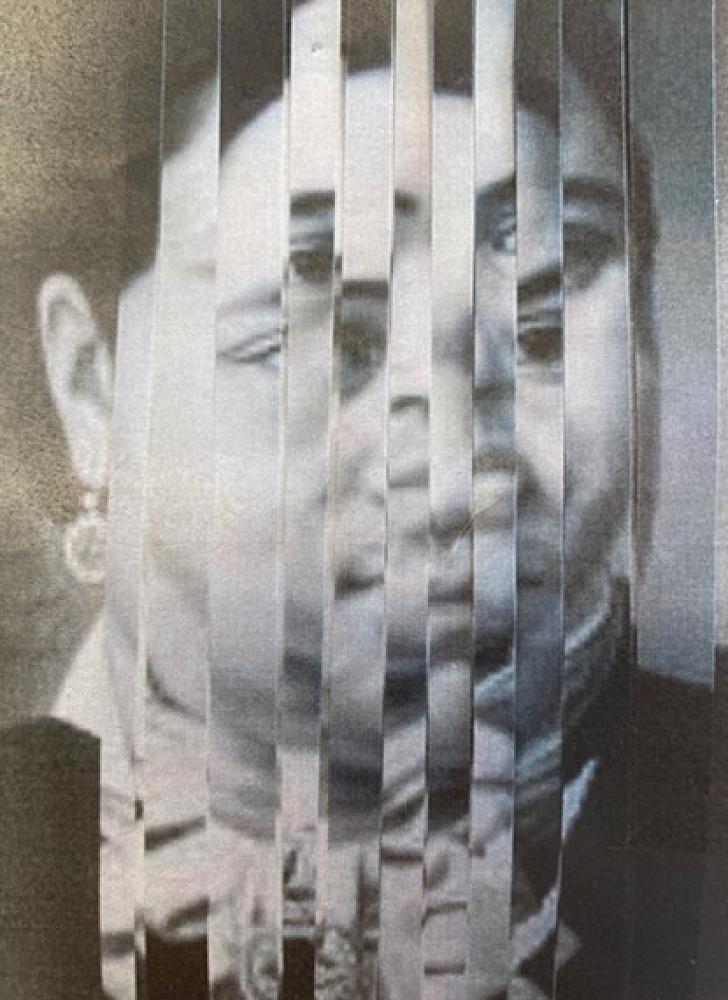
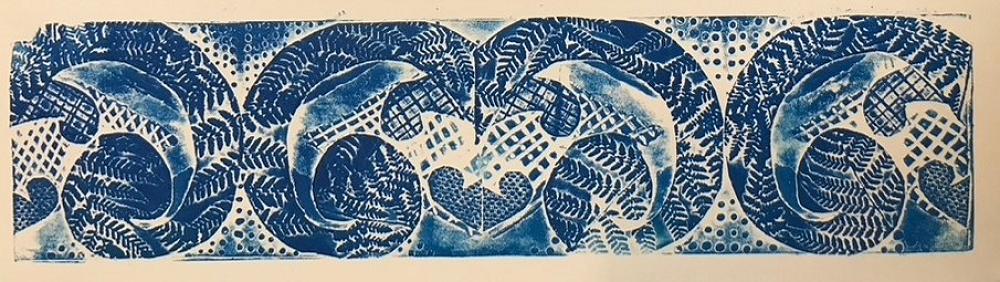
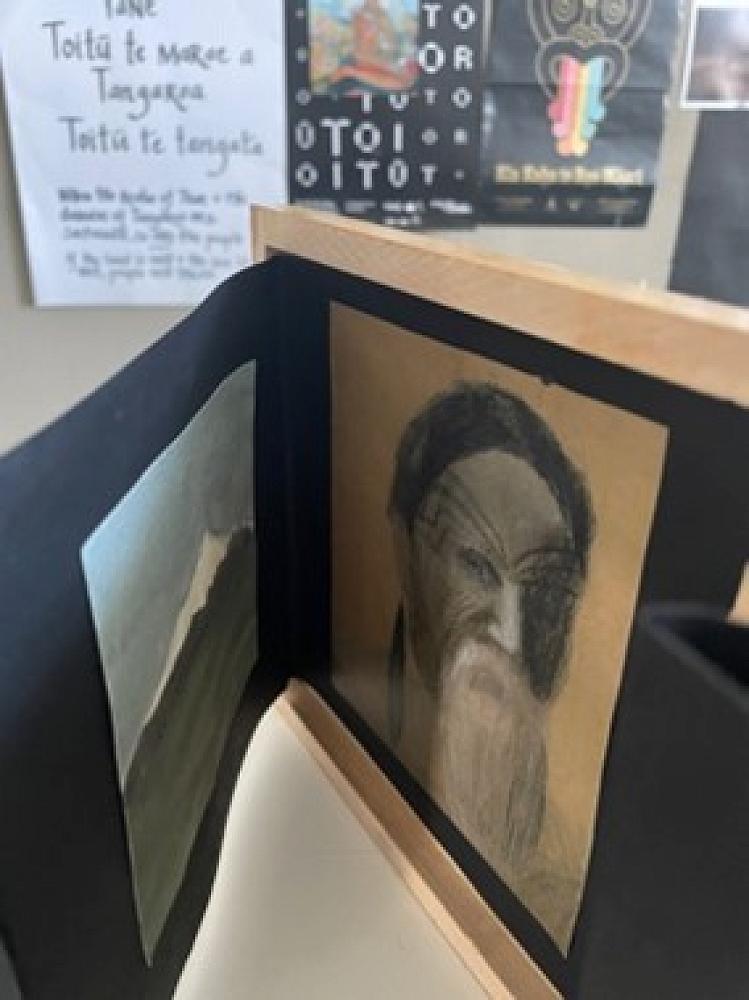
Taonga tuku iho – treasures from ancestors provide principles by which to live our lives. Ākonga develop bodies of learning based on tuakiri - identity, their whakakpapa - geneology, their sense of tūrangawaewae, or develop visual mihi, making artworks of people or places of significance to them, informed by their cultural identity. Māori students are encouraged to enter Ringa Toi Student Exhibition and Kiingi Tuhetia Portraiture Award and have had great success with Rangi Ruru ākonga being selected for both awards and SCAPE Public Art.
Ako - mutual teaching and learning relationship in which the kaiako - teacher also learns from ākonga – student, and educators learn from each other. Our concept of a community of learners supporting each other and team-teaching show this in action. Staff learn alongside students, and students are empowered to teach. Our open learning spaces ensure teaches easily collaborate, learn from each other, know and care for all learners and together we all share successes. Juniors are inspired by seeing the artworks of seniors on the walls. Our desk arrangements and large mats where we sit together for hui and critique, enable learning from each other.
Whānau - developing connections with the community to both support and celebrate learning. Discussions with whānau often form the starting point for developing ideas. Ākonga are reminded that showing and discussing artworks and connected concepts are important aspects of artmaking. We encourage a community of learners across levels based on aroha and kindness.
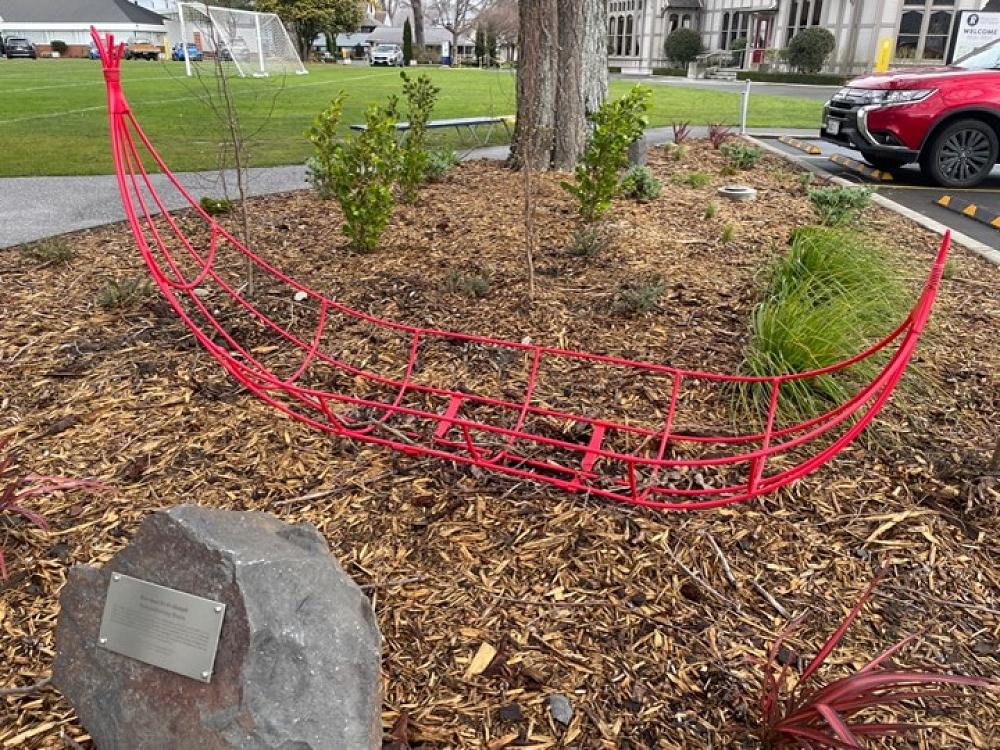
Kaupapa – Acknowledge and valuing Māori language and culture in the classroom. This is evident in what is taught, seen and heard in our Art rooms. Kaiako use te reo Māori to greet, praise, give instructions, embed our kura values and to reinforce our department motto. Whakataukī are used as a starting point for learning. When out visiting local areas of significance like Pūtaringamotu - Riccarton Bush to draw and take photographs, local history is discussed and Māori names of native fauna and flora such as kōwhai, kahikatea, horoeka, piwakawaka and kererū are used when identifying trees and birds, enabling ākonga to gain knowledge. When collecting harakeke, we begin with karakia and tikanga around harvesting and returning flax to the plant is followed. Earlier this year we planted a pā harakeke alongside Atawhai and Hewitts Road, with plants grown onsite in our nursery. Māori names for colours are used when learning about colour theory and in general conversation. Equipment is labelled in both Māori and English.
While in Art, ākonga visit Te Puna O Waiwhetū Christchurch Art Gallery and gain a greater understanding of te ao Māori, traditional and contemporary Māori art and learn about historical contexts. Ākonga understand in te ao Māori a portrait can encompass rangatiratanga - stewardship, whanaungatanga - connectedness, manaakitanga - kindness to others and whakapapa - ancestral genealogy. The sense of wairua - spirit of a person is also important.
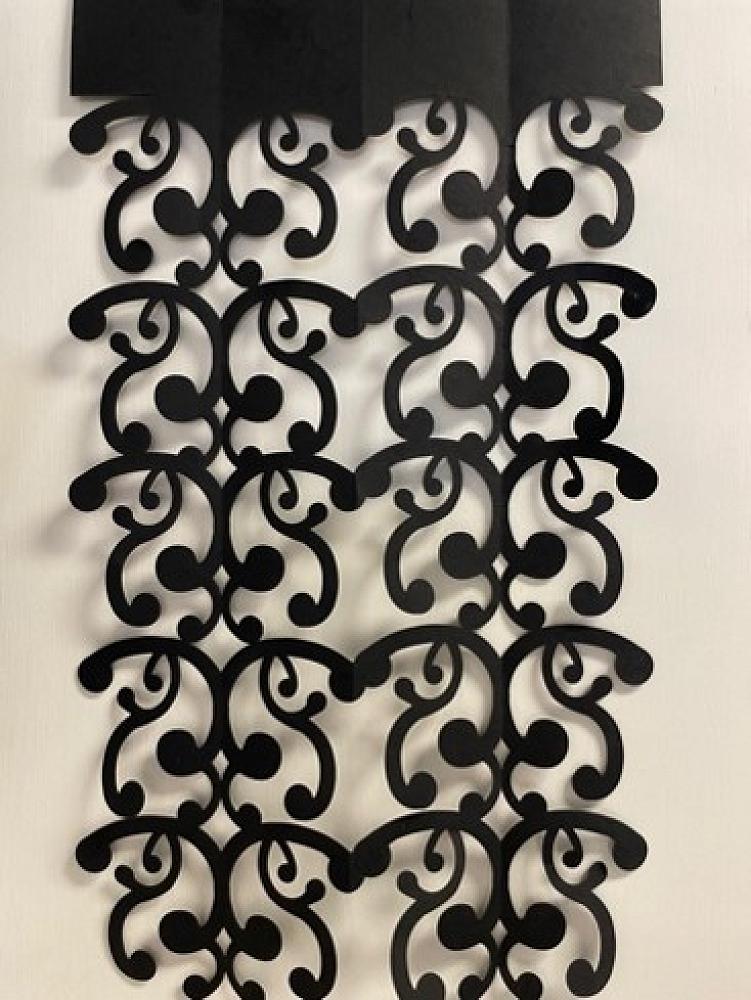
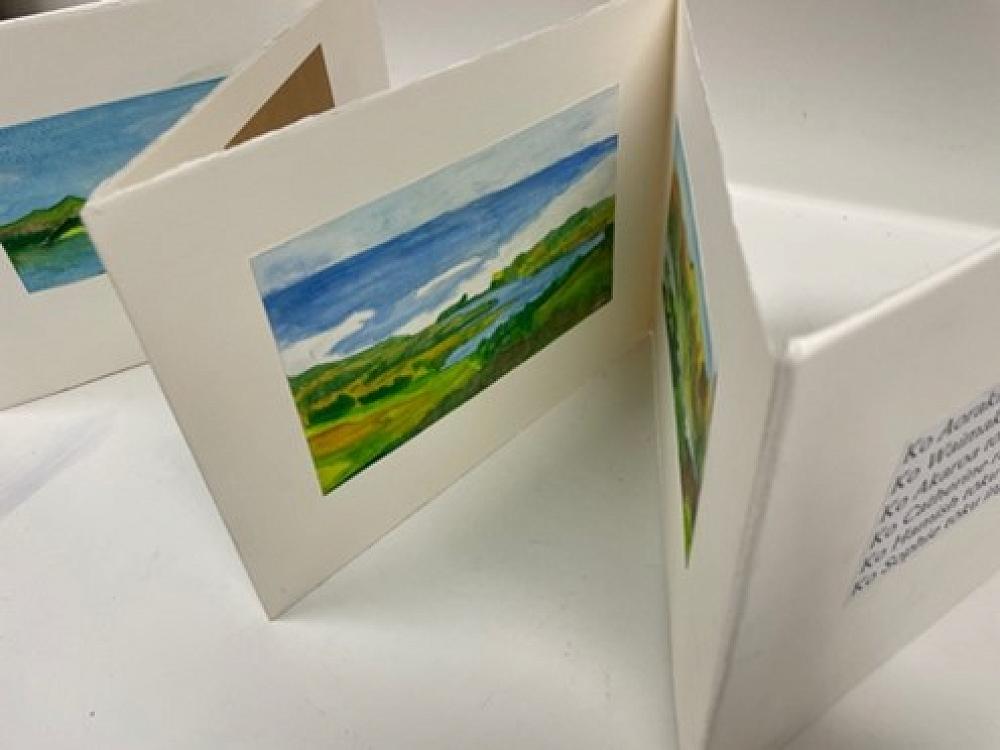
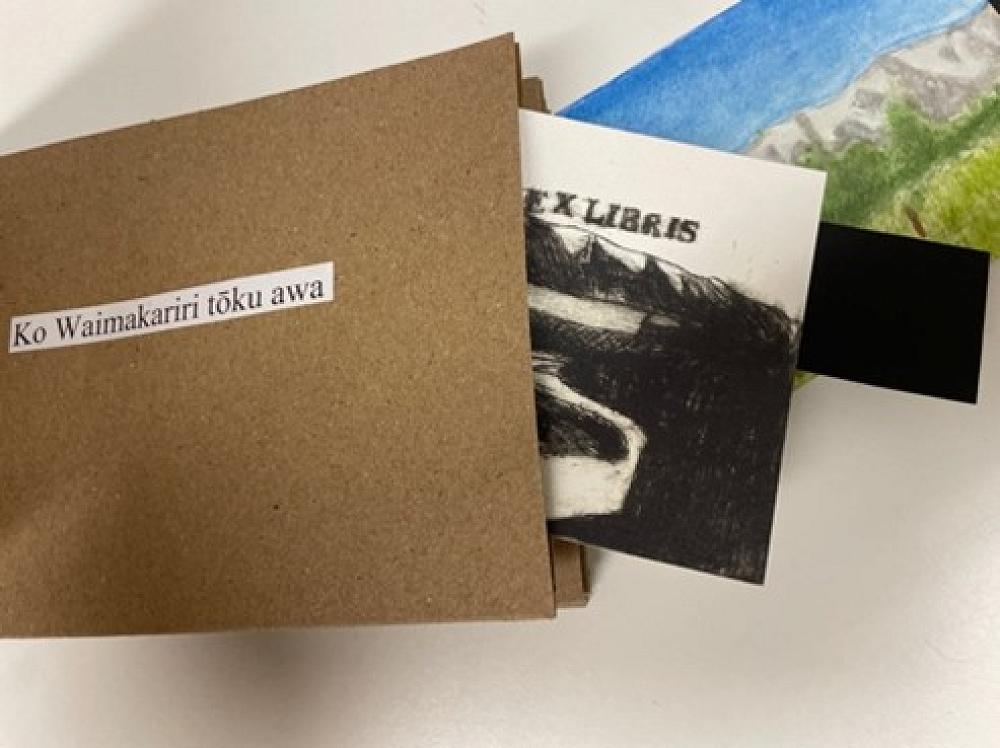
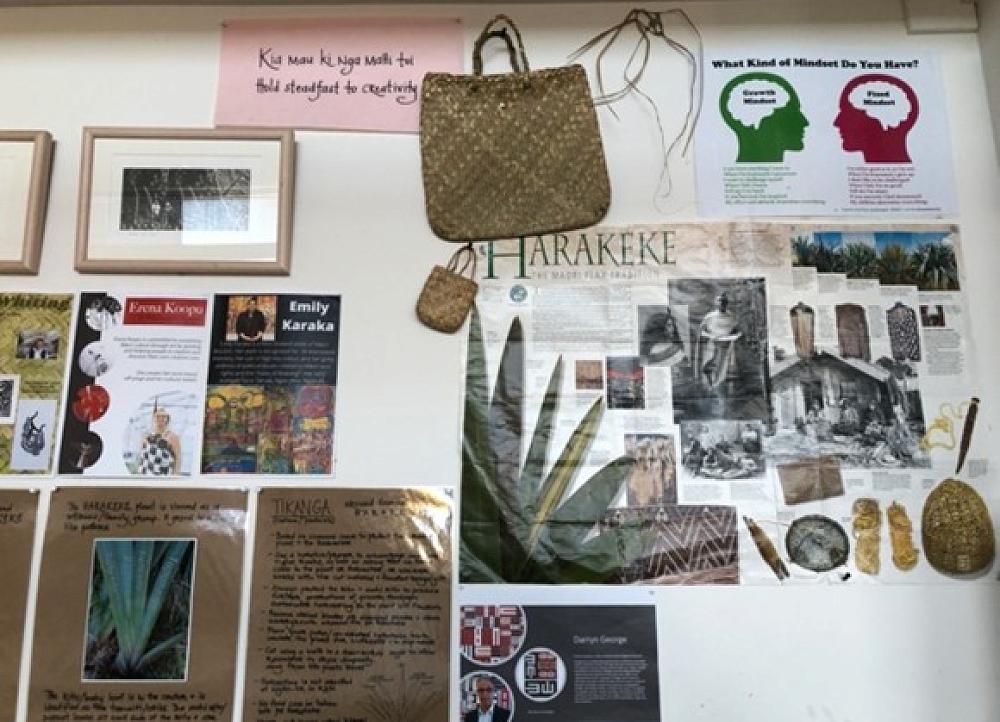
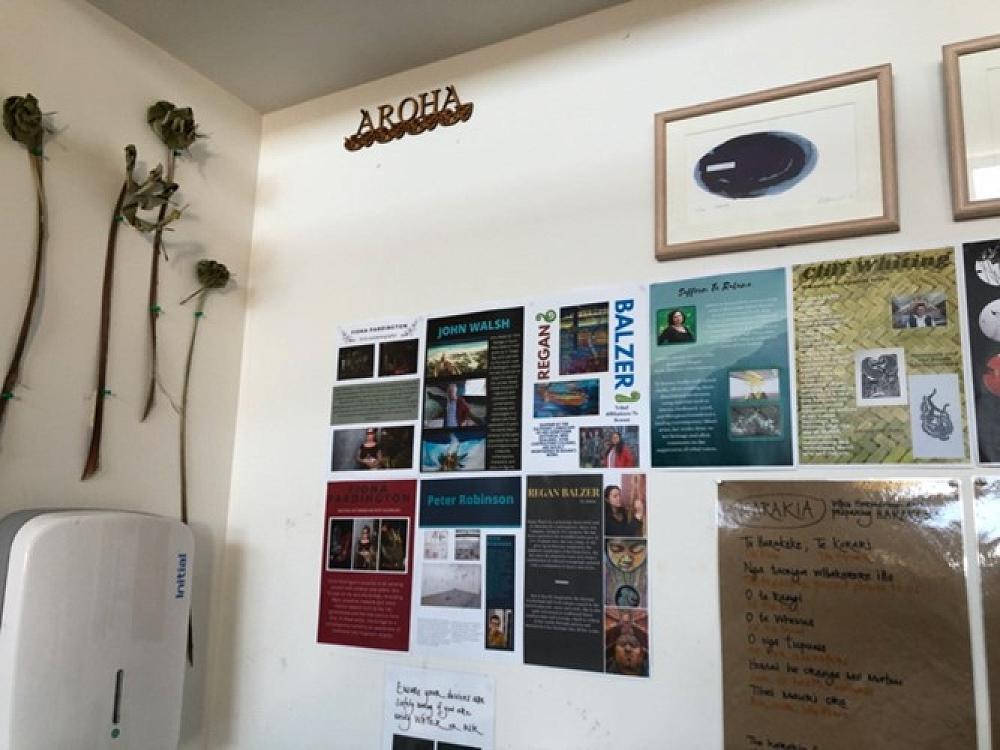
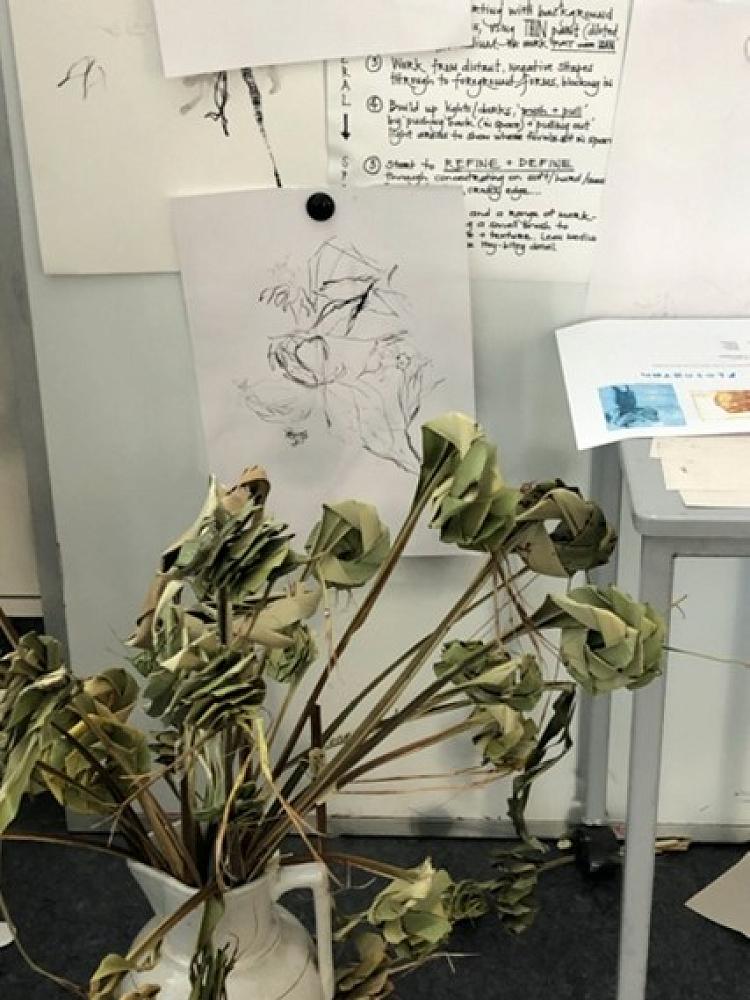
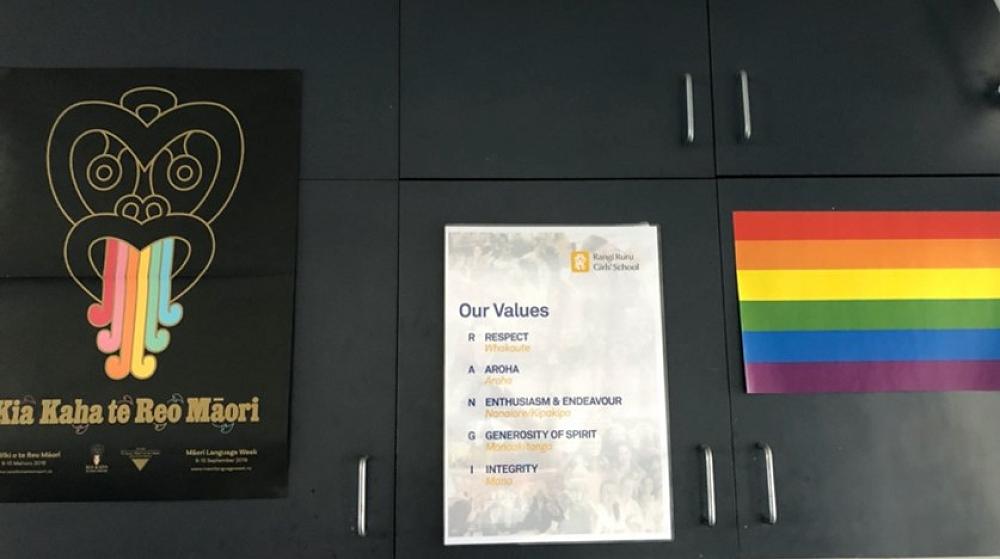
As a faculty we show Rangi Ruru values
- Whakaute by explicitly acknowledging and respecting different perspectives
- Aroha by showing care, interest, thoughtfulness, compassion and empathy in our relationships
- Rikarika by being life-long learners ourselves
- Ngaana by being curious, inquisitive and positive in our interactions
- Manaakitanga by listening to ākonga and equipping them with skills to create their own focus for learning
- Tika by providing clear and honest feedback to ākonga and their whānau