Matariki: A Time of Reflection, Celebration, and Connection
Mānawa maiea te putanga o Matariki Mānawa maiea te ariki o te rangi Mānawa maiea te mātahi o te tau Welcome the rising of Matariki Welcome the rising of the lord of the sky Welcome the New Year
Kia ora e te whānau,
It's that time of year again when we start to look ahead to Matariki, the Māori New Year (Te Mātahi o te Tau). This is an auspicious and sacred time with a rich history and deep cultural significance to Māori, offering an opportunity to reflect, celebrate, reconnect, and plan for the year ahead.
This year, Te Rā Aro ki a Matariki (Matariki Observance Day) will be held on Friday, 20 June, and our school celebration will take place the evening prior, on Thursday, 19 June (more information to come).
Over the next few weeks, we will share various kōrero (stories) about the many aspects of Matariki here in the Bush Telegraph, aiming to bring the essence of Matariki to life for our kura (school) community. Today’s kōrero will explore the origin of Matariki and why and how we celebrate it today.
What is Matariki and why do we celebrate it?
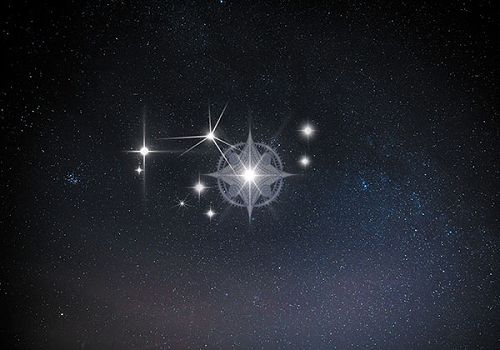
Matariki is deeply rooted in our country’s indigenous culture and has been passed down through generations. The name Matariki means “tiny eyes” or “eyes of god” in Māori and refers to the seven bright stars that make up the Matariki cluster (Te Kāhui o Matariki), also known as Pleiades.
There are many different kōrero about the origins of Matariki. One widely told pūrākau (origin story) says that Matariki is a mother surrounded by her six daughters: Tupu-ā-nuku, Tupu-ā-rangi, Waipunarangi, Waitī and Waitā, and Ururangi. After Tāwhirimātea, the Atua (God) of wind, became enraged that his parents Papatūānuku (Mother Earth) and Ranginui (Sky Father) were separated, he tore out his eyes and cast them into the heavens, creating Te Kāhui o Matariki - the Matariki cluster.
Traditionally, Matariki marks the beginning of the Māori New Year, celebrated upon the rise of the star cluster in the winter sky, typically in June or July. This period is a time for reflection, honouring those who have passed, celebrating the present with whānau (family), and looking forward to the future with hope and anticipation for the new season. Falling at the end of the harvest, Matariki is characterized by an abundance of food, feasting, and preparing the land for the coming year.
One of the key features of Matariki is the concept of whakapapa, which refers to the interconnectedness of all living things and the importance of family and community.
Matariki today
Today, Matariki has become an increasingly popular and widely celebrated event in Aotearoa New Zealand. In 2022, Matariki was legislated as a public holiday in Aotearoa New Zealand, further recognizing its importance and allowing more people to participate in the celebrations.
It is a time for all of us to come together and recognize the importance of Māori culture and its contributions to the country’s identity. Communities gather to share in feasts and participate in cultural activities that reinforce bonds and cultural identity - waiata (songs), haka (dances), and kai (food). Matariki celebrations are an opportunity to learn about and honour the traditions and stories of Māori culture, which are integral to our national identity.
Let us remember our interconnectedness this Matariki - to the land, the stars, and each other.
How Are You Celebrating Matariki?
We would love to hear how you are celebrating Matariki. What do you do? If you would like to share your experiences of Matariki, please email Haley at haley.terire@gmail.com or Nina at nina.g@raphaelhouse.school.nz, and we could include your kōrero in the next Bush Telegraph.
Gallery