
Curriculum - Class 12 Project
Each year, as I witness our Class 12 students present their Class 12 Projects to the community, I am filled with awe and admiration for these rangatahi, who have given the year over to exploring a passion or interest of their choice.
The Class 12 Project begins at the end of Class 11, and is an additional requirement to the broad curriculum on offer through both compulsory and elective subjects. Class 12 students who have presented their Projects the term before, visit Class 11 and provide an overview of the process from students' perspective, offering sage advice and answering questions. Teachers then work with the Class 11 students to help them identify a passion or area of interest they would like to explore and that they can sustain over nine months. The project must have both a practical component and a research component.
While students are not expected or required to begin their practical and research elements until the beginning of Class 12 the following year, many of our students choose to begin their projects earlier, especially if it involves the outdoors and making the most of warm, fine weather. The self-motivation required to get started is just one of the remarkable aspects of learning during the Class 12 Project journey.
Across terms 1-3, students complete their practical aspect, whether it's completing a coast to coast, running a marathon, building a robot or writing a novella, each student needs to complete a process of goal setting, trial and error, reflection and correction in order to see their practical project come to fruition. The motivation and perseverance required is also significant, as while each student has a self-chosen mentor, along with a teacher supervisor and supportive whānau, getting the job done is up to them.
The research aspect has varying levels of challenge, depending on the type of practical project that the student has chosen. If a student has elected to do a substantial practical project, such as building a sleepout or fitting out a campervan, their research takes the form of finding out what tools, equipment and resources they will need to get the job done, along with budgeting for this and working out how everything will all fit together. These students keep a journal or log of their progress along the way and they are assessed against their own goals that they set out to achieve at the beginning.
If a student has chosen a less time-consuming Class 12 Project, they may complete research documents that are assessed at Level 2, 3 or 4 of the NZ Qualifications Framework, depending on the level of academic writing and referencing they are keen to pursue. Many students use this as an opportunity to practice for university and complete Level 3 or 4 research documents, which require correct APA formatting and referencing throughout. All documents are finished and bound and used for their visual displays on the day of the Class 12 Project Presentations.
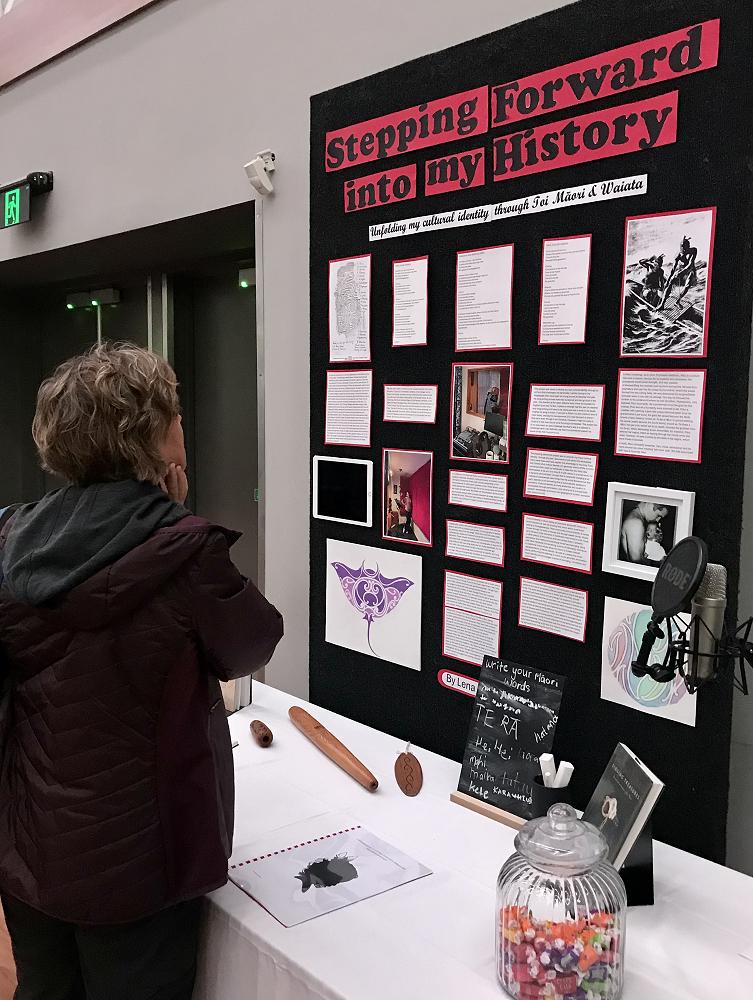
As the Projects come to fruition, students prepare their speeches, where each student must present their project in a 15 minute presentation to the wider community. In addition to this, they each prepare a visual display of their Project journey, where they answer questions from the public about their Projects on the day of the Presentations.
For anyone who has attended this event, it is an inspiring and uplifting day, filled with many emotional moments for parents and teachers alike. Watching our students present with confidence, authenticity, humour and grace and seeing them truly shine as the remarkable individuals they are makes us truly grateful to be Steiner teachers, who get to see this magic unfold year after year. As an assessor of both speeches and documents, I find it a tremendously difficult yet simultaneously delightful job to actually mark them after so much blood, sweat and tears have been poured into them. I have many moments of having to pause in wonder at the skill, talent or sheer determination that I encounter when reading or listening to their work.
The Class 12 Project is truly a magical ingredient in our Waldorf curriculum, offering students the opportunity to harness many life skills, such as goal setting, planning, self-motivation, budgeting, overcoming obstacles, academic writing, public speaking, working with others to achieve goals, the value of whanaungatanga, and a better understanding of the relationship between expectations and reality. Perhaps most importantly, the Class 12 Project creates insight into the extent of one's capabilities.
It was a pleasure to witness our 2022 Class 12 students complete their project journeys and watch their presentations a couple of weeks ago...if you didn't get along to them, make sure you come along next year and see all this for yourself!