Easter
Kia ora e te whānau, In the end of Maehe (March) we will celebrate Easter at school with a separate Lower School and Upper School assembly.
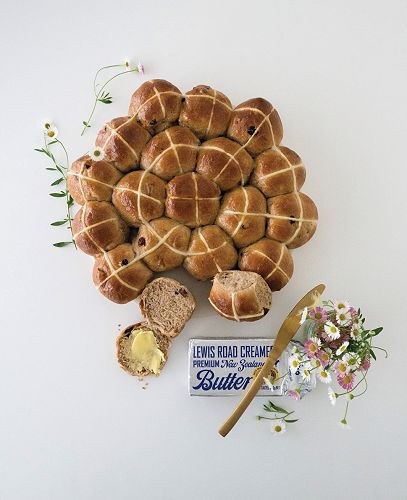
- A great recipe for hot cross buns from Unna Burch (The Forest Cantina). Please click here.
- Easter egg decorating ideas from “Easter in Autumn” by Collette Leenman. The first one is suitable for younger children.
1) “For younger children, one of the easiest methods of colouring eggs is to screw up pieces of coloured tissue or crepe paper, dip them in water and leave them pressed to the egg until they dry. It is best to leave them over night, to be sure. This method has the element of surprise when the child peels the paper off the egg and discovers what is underneath. However, the dye from the paper does get all over their fingers so you need to take care with this.”
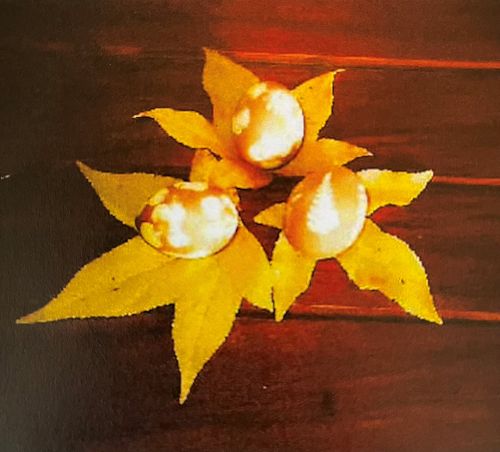
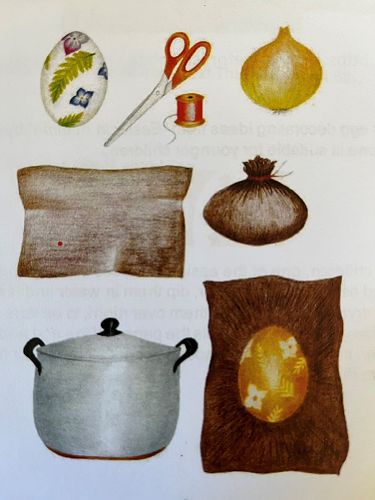
2) One method of decorating eggs (described here using non-blown eggs) which fits very well with the Southern Hemisphere is to dye the eggs in onion skins. This gives a golden coloured egg which I feel fits well with the Autumn colours. To do this, you need to use the outer brown skins of the onion. As a rough guide, I use the skins of one onion for each egg. The more skins you use, the darker the colour. To decorate the eggs, you can use leaves and flowers, which I stick to the egg using a bit of saliva or water. I used punga fern leaves and hydrangea flowers, on the egg you’ll see in the photo which is attached, which seemed a good combination: something which is native to my land and something which was imported by early settlers from another part of the world. In this way the whole globe is represented.
The next step with this method is to cover the egg with a piece of stocking or some other thin, stretchy material to keep the leaves and flowers in place. You need to stretch the material as tightly as you can without breaking the egg, so you only need a small piece of material. Tie it tightly at the top. You may need to ask a second adult to help you with this part. This process is quite tricky as the leaves and flowers tend to slip, which is why I would not recommend it for children. However, these eggs make a lovely surprise for them and are really worth the effort, I get them all ready and wrapped up the night before Easter Sunday. Then in the morning I boil them in a pot of water containing the onion skins. Then I have one at each person’s place at the table ready to eat. You can put them in an egg cup, perhaps made especially from a cardboard cylinder with autumn leaves stuck to it, or I like to put them in a calico hare. You can also use this method for blown eggs, but you need to suck the water into the eggs first so that they will sink in the pot of water otherwise they will float and not take the dye from the onion skins.
We wish you a restful Easter break from next Thursday, March 28th.
Your festival team,
Tanya, Gabrielle, Vanya, Katie B. and Nina
Gallery