
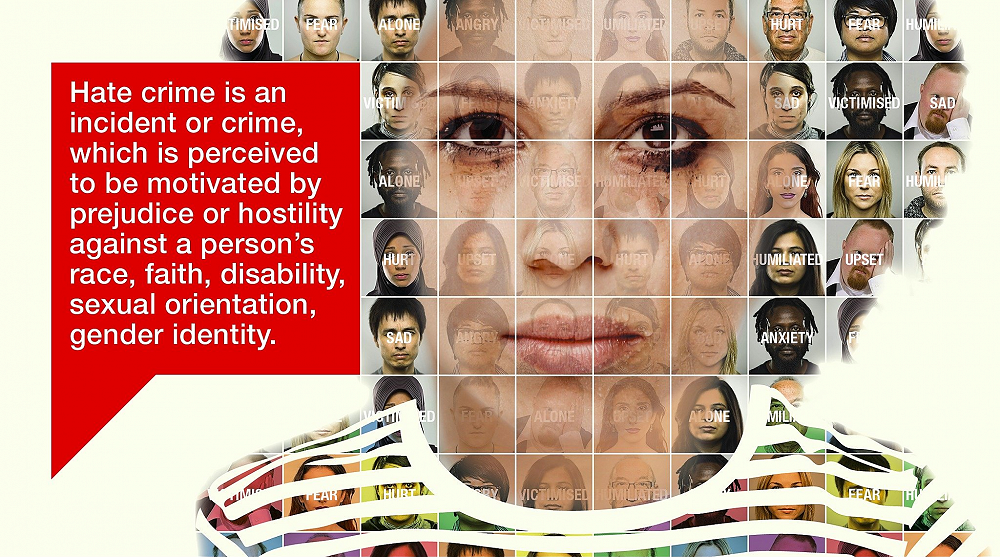
It Happened Here: Reports of race and religious hate crime in New Zealand 2004-2012
In the present publication, the Human Rights Commission brings together, for the first time, its annual summaries of the media reports on racially and religiously motivated crime between 2004 and 2012.
Foreword
The Christchurch shootings have re-ignited public debate about hate crime and hate speech, but there is little information available about the extent of racially and religiously motivated crime in New Zealand. Police do not collect this data, despite calls from the New Zealand Human Rights Commission since 2004, recommendations from the United Nations Committee on the Elimination of Racial Discrimination in 2007 and 2017, and from the United Nations Human Rights Council in 2009. Shortly after the Council made its recommendation in 2009, the Government of the day agreed with the recommendation but said it was not a priority. The recommendation has never been actioned. The absence of systematically collected data and information on racially and religiously motivated crime in New Zealand makes it very difficult to have an informed discussion about their prevalence and design effective measures to counter them
Between 2004-2012, the Human Rights Commission brought together media reports of racially and religiously motivated crime as part of its annual Race Relations Reports. Publication of these annual media reports ceased in 2013, influenced by the Commission’s chronic lack of resources caused by the Government’s long-term cap on funding. However, the nine years of information provides a snapshot of the kinds of crimes that have been committed in recent years. It is reasonable to assume that these reported incidents are just the tip of the iceberg, particularly in relation to abusive and threatening behaviour, since these are an extremely common complaint of ethnic and religious minorities.
We hope this compilation will deepen understanding and inform discussion. Around 100 incidents are included, ranging from murder and kidnapping to serious assault, threatening and disorderly behaviour, abuse, deliberate damage to property and desecration of sacred sites. Where the police have taken prosecutions, the courts have treated the cases very seriously. As it has done for many years, the Commission continues to argue that the authorities should gather this information on a systematic basis, including the number of complaints, prosecutions and convictions for race, religious and other forms of hate crime. This will enable Government to monitor the extent of the problem and develop effective evidence-based measures to reduce hate crime in New Zealand. It may also give people and communities more confidence to speak out. The summaries below are taken from the annual reports of Race Relations Commissioner Joris de Bres (2002-2013). He was succeeded by Dame Susan Devoy (20132018). During her term as Commissioner, Dame Susan strongly advocated that the police should systematically collect data on hate crime. I would like to thank Joris and Dame Susan for their contribution to tackling the issues raised in this publication.
Paul Hunt Chief Commissioner New Zealand Human Rights Commission Wellington 1 June 2019