Messages from Mrs Meyrick
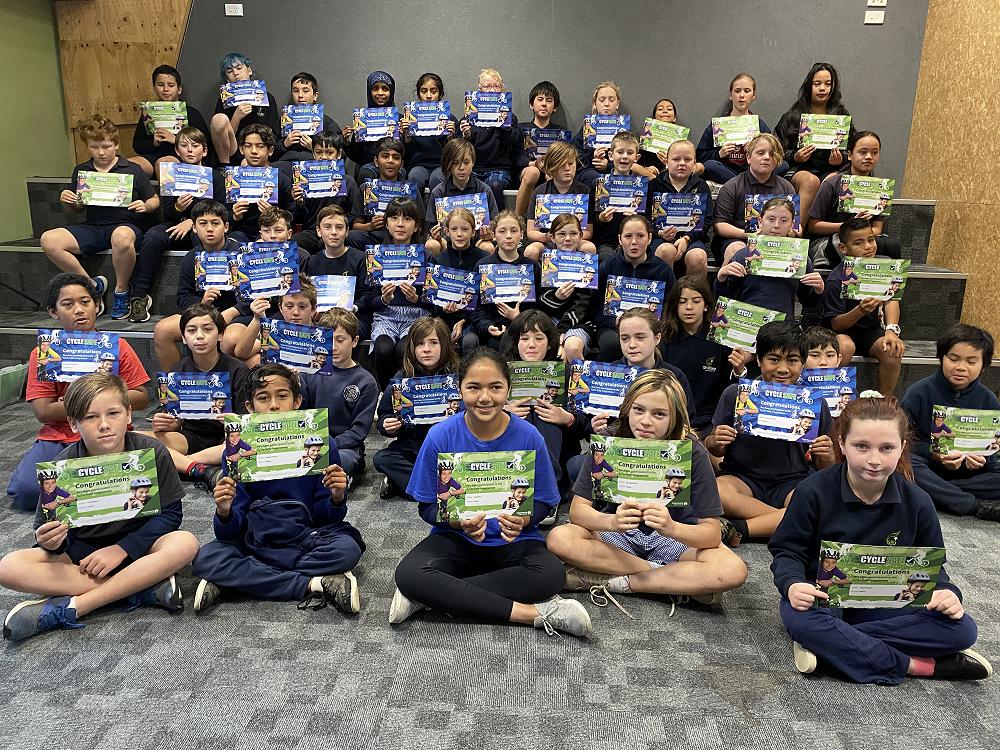
How fantastic that all these Tī Kōuka students showed our STAR values when learning how to ride their bikes safely in the community. Congratulations students' and get cycling!
This week and next week we are focusing on Showing Respect. Kia Mana ai. So what is the definition of respect? Respect means that you accept somebody for who they are, even when they're different from you or you don't agree with them. Respect in your relationships builds feelings of trust, safety, and wellbeing. Respect doesn't have to come naturally – it is something you learn. We encourage you to talk to your child about respect and how this looks currently at home and at school. Children model what they see and hear. If your child can grow into being respectful adult, then it will take them a long way to be a confident, connected actively involved, life-long learner.
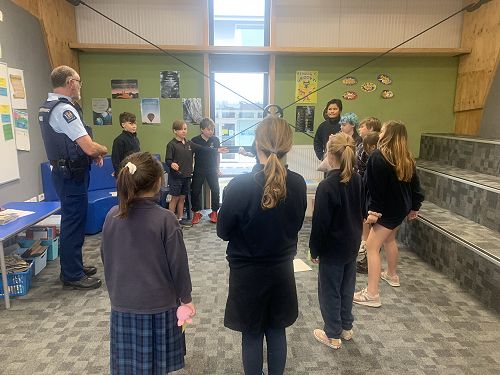
Our students have had wonderful lessons from their teachers' and from Constable Jeff last week and this week about how to keep themselves safe. This programme promotes self-respect, learning about what is ok and what is not. Here are some statements from students' about what they learned from Constable Jeff.
" I learned about the different kinds of abuse. What I didn't know was that all abuse is illegal." Elise Dunick
"I learned that if some teenage boys are blocking your way, you could take a different route home, or you could use a cellphone if you have one, to call someone who you can help you." By Chloe Anderson
"Constable Jeff made the lessons fun. For example... he could have just told us the kinds of abuse, but instead he used a situation and we had to move to what type of abuse he was talking about." By Grace Beaumont
"I learned about all kinds of abuse and how to keep myself safe. Constable Jeff talked about his vest and what his stripes meant." By Jachai Lucas-Wells
The second part of our Netsafe article that may be helpful to ensure your child is safe on the internet is:
2. Learn about your child's online activities
It’s important you understand more about the online activities and experiences your
child has or wants to explore. Talk to them about what they do online, how
they use devices and who they’re talking to.
Take the time to tune in to the conversation – what might seem like just a
game to you might be the way your child is connecting and interacting with people
they don’t know.
Research shows that parents are critical to the success of young people becoming
safe, confident and capable in their use of digital technology. Regular proactive
conversations at home helps to minimise the damage if things do go wrong online.
- Who is in their network?
- Why do they like certain apps or sites?
- Are they making music or videos?
- What are they playing?
- What information do they share?
Gallery