10 Strategies for Handling Tantrums and Non-Compliance
This is an excellent summary of strategies to support parents in dealing with tantrums and non-compliance.
Compliance and Tantrums
by Sally Gray
- Parent (to 3 gorgeous, well balanced young adults!)
- Resource Teacher of Learning and Behaviour (RTLB)
The first thing I would like to say is that Prevention is Better than Cure. There are some key things that you can do for your children that will set them up for success so compliance is more likely and tantrums less likely!
Focus on teaching, practicing and acknowledging expected behaviours, remembering this needs to be repeated, and it takes time- some children needing more time than others. Here are 10 helpful, evidence based tips.
1. Give clear, short instructions. Avoid getting into a debate. Say what you want and use the power of a full stop. Nagging never helps anyone!
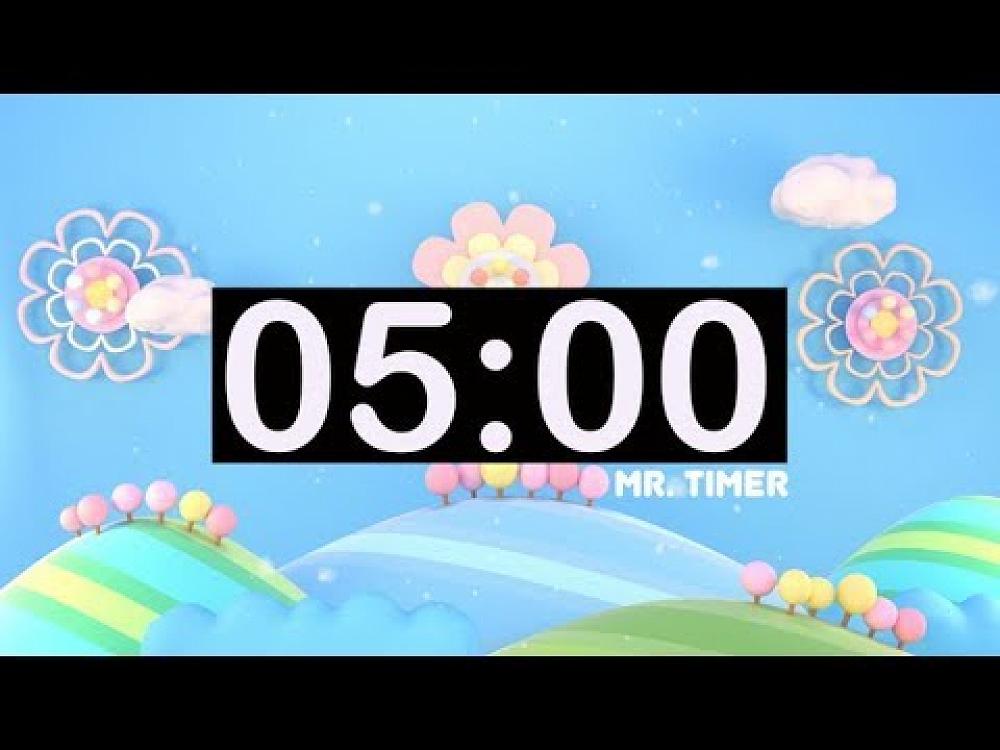
2. Give a warning instruction, giving children time to finish up and process the instruction. “Hey guys, when the timer goes off in 5 minutes it will be time to pack up. “One minute to go!” “Alrighty, that was the timer, so pack up now. Thank you.”
3. Use ‘When- Then’. “When you have put away your blocks then you can go on the computer.”
4. Use positive forecasting. This helps children to expect good outcomes, self-manage and bounce back when things don’t go to plan. “I know when it comes time to turn off the computer you will do it straight away then we will have more time at the park.” “I know you will be happy and helpful when you return to school”
5. Acknowledge their efforts with lots of positive specific praise. That is saying exactly what it is that pleased you. Not just “Good Job”, but “Good Job, I loved the way you started packing up straight away.” This supports motivation and promotes learning.
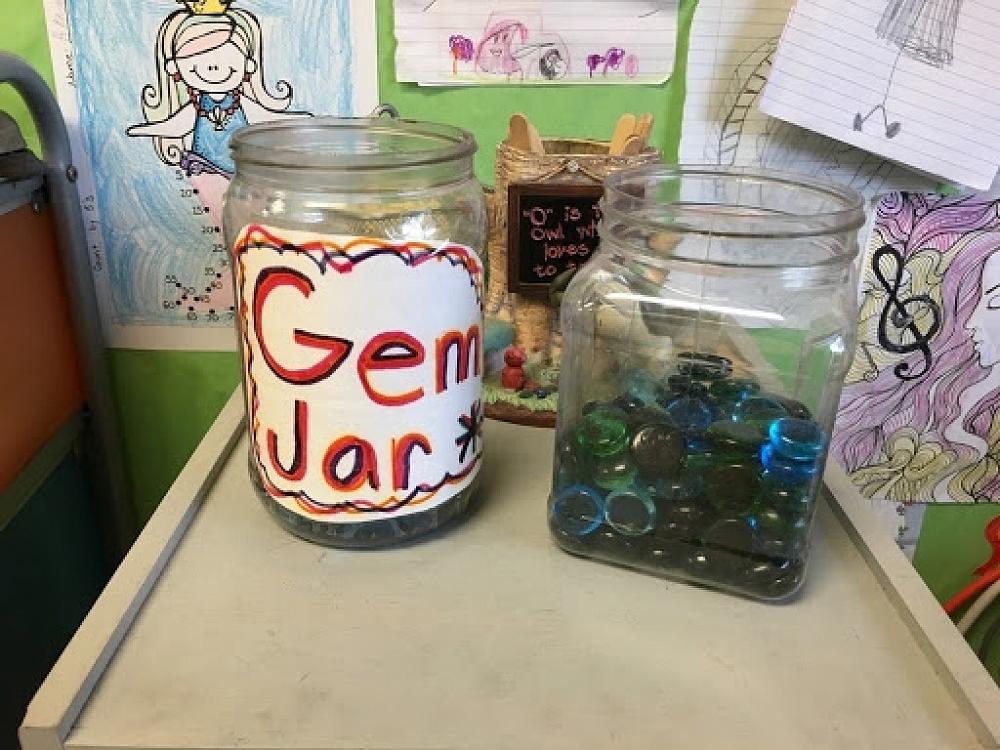
6. Positive reinforcement works wonders. You could have a reward type system. Something like a gem jar is very effective. Children need to get all the gems (or counters, stones, balls...) from one jar into another jar to earn a reward. Having a combined family reward system is great at building unity and getting siblings to help each other. The reward could be as easy as 10minutes extra time before bed, or a family board game, a walk or scoot to their favourite park...
Never take earnt gems off children. They need to know their earnings are safe.
7. Stay calm and share your calm with your children. Role modelling the attitude and behaviour you want. Not always easy, but we know children copy what they experience.
8. When things go wrong try using the mind frame of ‘Do I want to teach or punish?’ Avoiding a punitive approach, instead use a restorative one, by talking through what happened when everyone is calm. A consequence that is relative and logical will have a more effect. Ask children, if age-appropriate, what they think needs to be done to repair the harm i.e. rebuild the tower, lose time on the device if that was the issue, draw a picture to show they are sorry...
9. Give children a safe place
to calm down. This could be their room, behind the couch, out on a swing... You
will need to show them how their safe place works and what it is for. Sometimes
having some calm down ‘toys’ helps too. Everyone needs to be calm before moving
on.
10. Acknowledge your children’s feelings. “It is okay to feel cross, but it is not okay to hit.” Give them alternative strategies to help. “When you feel yourself getting cross you could got to your safe place, you could come to me, you could go outside and kick your ball...” Remembering to acknowledge this when they get it right. “I am so proud of how you walked away when you were mad. That wasn’t easy. Let’s put 5 gems in the jar!”
There are many wonderful parenting resources out there. Nathan Wallis has really helpful clips on children and parenting. He has a Facebook page and is often on TV and the National radio.
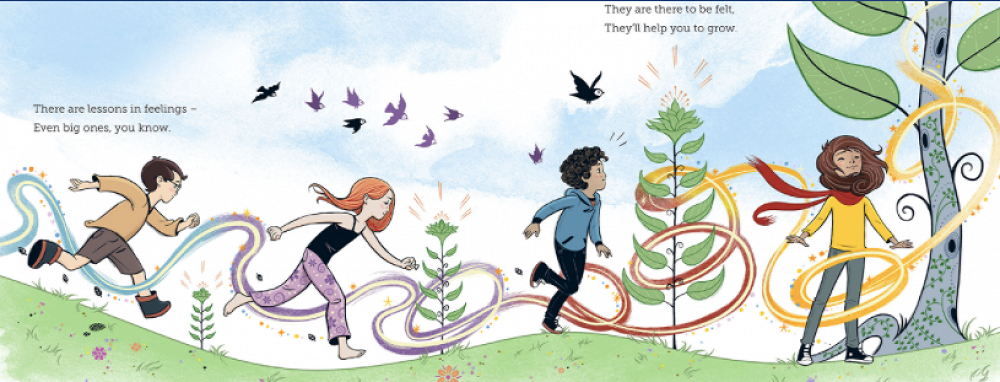
There are also resources for children to understand and cope with their emotions, books such as Aroha’s Way (pictured) and The Way I Feel. These are free to view online through sites like YouTube.