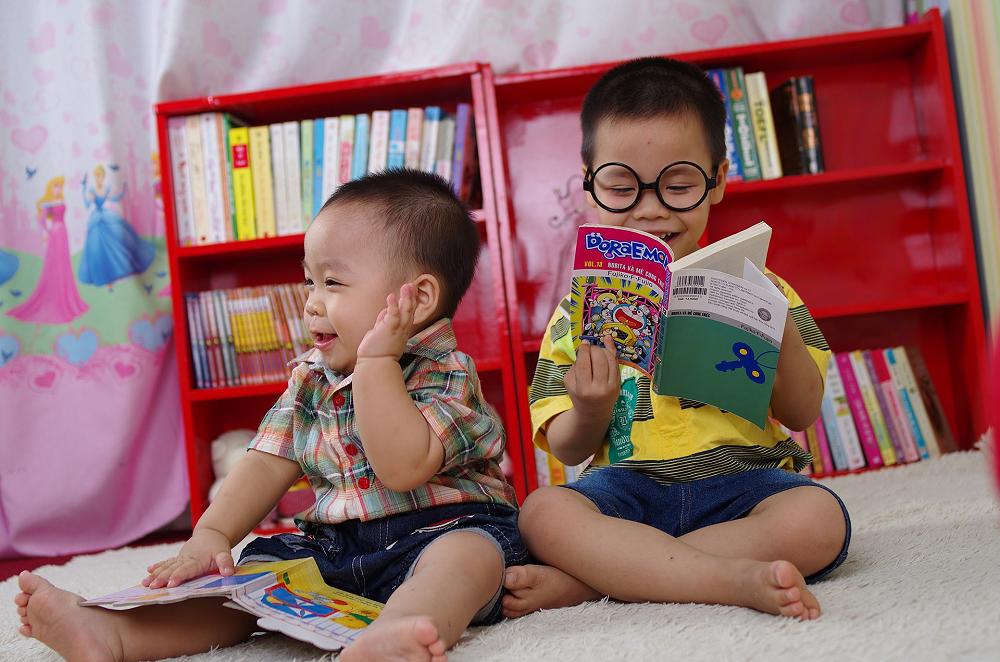
Reading with your child at home
The importance of regular home reading.
You were your child’s first teacher and taught them many important skills, including how to speak. Your child will experience the most success in reading when school and home work together. Children learn about the importance of reading as they watch family members use reading and writing for everyday purposes.
Reading for pleasure, sharing a story with your child, using a recipe or
reading street signs teaches them that reading is a useful skill in today’s world.
Here are some other strategies that you can make use of when reading with your child at home.
Pre-reading strategies – look at the title and available pictures with your child and discuss what you think the story may be about.
Question, question, question: Stop reading at regular intervals and ask your child questions about what has been read so far and what he/she thinks may happen next in the text. Help your child to stretch out unfamiliar words and chunking sounds together and see if he/she can make sense of it (be careful of words with incompatible spelling and sounds).
Context clues: Based on the surrounding text and what had happened previously in the story, encourage your child to guess what he/she thinks the word may be.
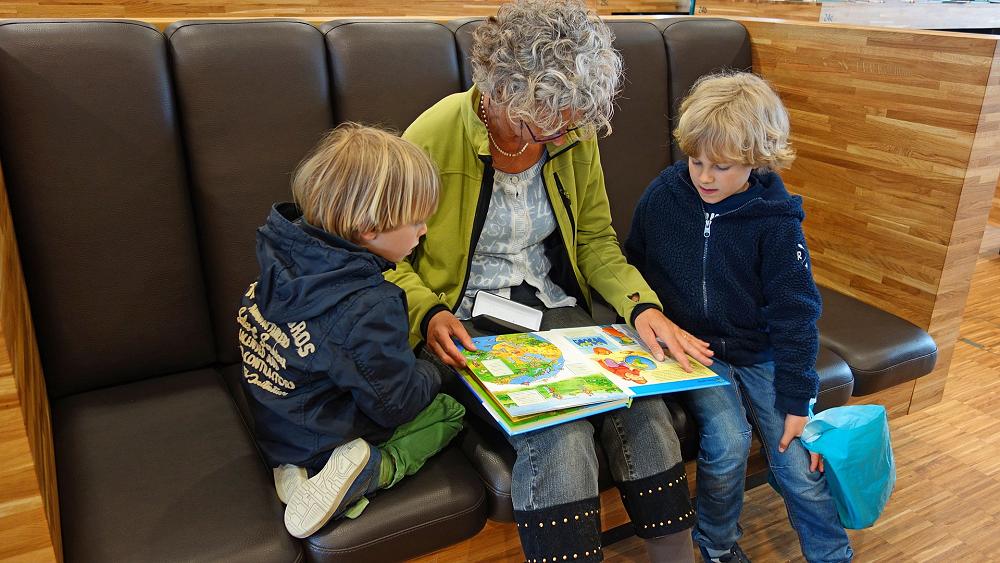
Help from pictures: Encourage your child to take notice of the pictures as they may help him/her to identify an unknown word. Don’t cover up pictures as they read.
Memory: Persuade your child to use his/her memory to recall previous elements of the story that may give him/her the meaning of the unfamiliar word.
Coherent reading: Remind your child that what he/she has read must make sense, so look at the word he/she has used to determine whether or not the story still makes sense.
Paraphrase: Try telling your child part of the story using different words to what is written so that he/ she gains an understanding of the text for when he/she attempts to read it.
Punctuation: You may need to explain to your older child what the various punctuation marks mean so that he/she is able to pause, stop and use appropriate reading strategies at the right time. Punctuation includes the full stop (.), the comma (,), the question mark (?), the exclamation mark (!), apostrophes (’) and inverted commas (“ ”).
Although rare in beginner reader books, you may need to identify the colon (:) and semi-colon (;)
What’s really important in this entire process is raising your children with a love of books.