
Celebrate the 'strangeness' of Christianity!
Christianity was thought of as very strange to people in ancient times - but the strangeness was the very reason it offered hope and dignity to people.
Who would have thought that in 2020 the world would face a pandemic and that our nation would be in lockdown for weeks on end? Who would have imagined life with face masks, Zoom church and contact tracing aps? But the strange has quickly become familiar and weird practices have become de rigueur.
This movement from strange to familiar has happened to Christianity. Christianity emerged in the Greco Roman world as a bizarre sect based on a story about a crucified man dying in a remote corner of the empire and rising again.
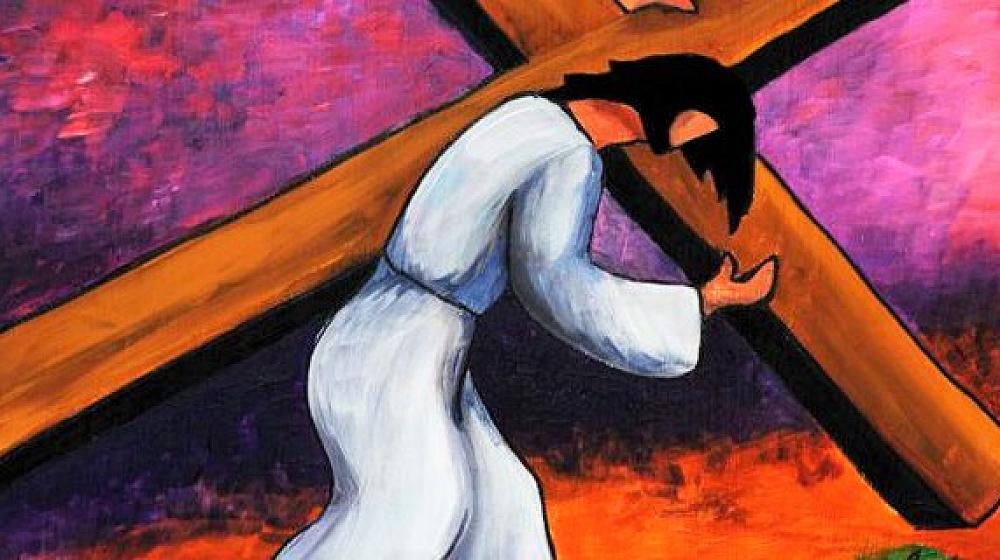
To fully appreciate its strangeness, we must realise how excruciating and contemptable crucifixion was. It was known as the ‘extreme punishment’ reserved for slaves, traitors and enemies of the state. Victims became a public placard intimidating populations and reminding them of who was in charge. It was a kind of state sponsored terrorism used to pacify the unfortunates who maintained the lives of luxury and splendour of the elite.
So of course this new movement, with a crucified victim at its center, was considered strange. The Romans saw it as obscene and grotesque. That a crucified man was worshiped as the Son of God, was offensive for the Jews for a different reason – it was inconceivable that the eternal, creator of all things could have become a man and die in that manner.
It’s difficult to imagine a more problematic beginning for Christianity. It was not a movement designed to win friends and influence people. And yet over time, it won the hearts and minds of the empire - and even the emperor himself. The strange eventually became familiar.
As a result, two extraordinary values of Christianity began to seep in to society and change it forever. First of all there was the notion that every person was created equally by God –slave and free, male and female – and possessed inherent dignity.
The second was that Jesus Christ had died the most pitiable death imaginable to demonstrate the length God had gone to in order to gather in his lost children. It was a public statement of the depth of God’s redeeming love.
These two strange beliefs eventually turned the world upside down – to the point where western society today, is soaked in Christian assumptions and norms that most people are unaware of.
Now there are various pressures on the Church today to be more relevant, seeker sensitive or progressive in our beliefs and practice. And it’s an alluring philosophy. Shouldn’t we tailor our message so that people engage with the Church in greater numbers. Shouldn’t we play down the doctrines that are more difficult to believe. Shouldn’t we try to make Christianity a little more familiar and a little less strange?
Well the trouble with that approach is that the distinctive features of Christianity are the very things that enabled it to catch the imagination of people in ancient times. It was the strangeness that made Christians stand out. It was the strangeness that gave people life and dignity, joy and perseverance in their suffering. The distinctive doctrines of the dignity of all people and the saving death of Jesus made people see the world differently and live differently – with hope and purpose.
So let’s not iron out the wrinkles. Let’s not try and remove the strangeness of Christianity. If we seek to believe and follow Jesus Christ, with all the strangeness that that involves, we will find that we discover the heart of what it means to be fully human.
Familiar, conventional wisdom could never have produced the radical message of dignity, justice and love that came to us through Jesus. So don’t be coy about the strangeness of our faith. It is strange – it’s supposed to be.
Canon Mark Chamberlain